Bushfire-prone fencing materials and BAL, without the mythology
How fence materials behave when embers arrive — steel, timber, Colourbond and mesh — and why a BAL rating on a house is not a licence to guess the fence.
By Mark Denham · 15 May 2025 · Updated 8 September 2026
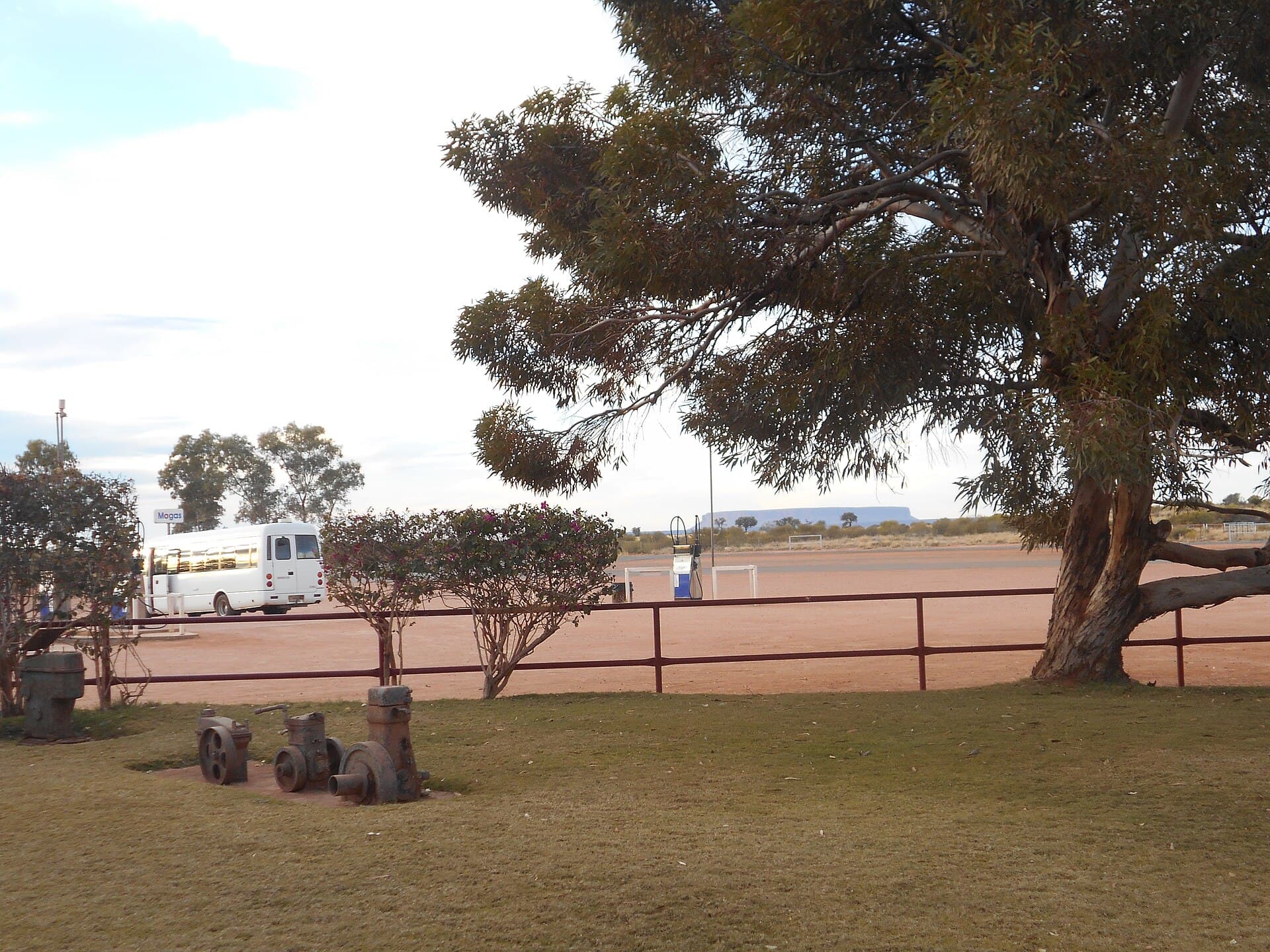
A fence will not save a house, and a house BAL rating will not automatically tell you what to build on the boundary. Those two facts would spare a lot of argument on bushfire-prone blocks. What a fence can do is refuse to become a wick, stay standing so stock and vehicles can still be managed, and avoid dumping a line of burning timber against the wall you were trying to protect.
This is context for owners and contractors, not certified bushfire-attack-level advice and not a substitute for AS 3959, your council overlay or a bushfire practitioner. If a development approval or a bushfire management plan nominates fence materials, that document wins.
What BAL is — and what it is not
Bushfire Attack Level is a way of describing the radiant heat, ember attack and weather a building is expected to face. It drives construction details on the dwelling: windows, eaves, underfloors, the bits that turn a house into an ember sieve. Fences sit in a greyer zone. Some approvals mention them. Many do not. Product brochures sometimes imply a rating the standard never gave a paling.
Treat any “BAL-rated fence” claim as a question, not a comfort. Ask what was tested, to which standard, and whether your surveyor accepts it. Steel sheet such as Colourbond is non-combustible, which is why it turns up constantly on fire-prone suburban edges. That is a material property, not a certificate you can photocopy onto a development application without reading the rest of the conditions.
If you want the suburban material story without the fire overlay, the Colourbond versus timber paling comparison is the everyday version of the same choice.
How fences actually fail in a fire
Embers lodge in dry grass against a paling, in the cavity of a lapped board, in a pile of bark the whipper-snipper never reached. Radiant heat then does the rest. A timber fence can be well alight before the house is, and once it is alight it is a linear fuel sitting on the boundary you share with a neighbour.
Steel fences can still fail. Heat anneals posts and rails. Sheet oil-cans and pulls off. Plastic infill melts. Mesh sags and the zinc boils off. After the fire front, the fence may be standing and useless — brittle wire, cooked high-tensile, gates that no longer latch. Walk it before you trust it with stock or with a pool gate that still has to meet AS 1926.
Rural post-and-wire has a quieter fire story. There is less fuel in the fence itself. The risk is the grass on the line, the timber strainers, and the wire that has lost its temper. A steel-posted plain-wire fence on a grazed break is a very different object from a pine paling on the urban interface.
Steel, Colourbond and the suburban interface
On lifestyle blocks and the outer suburbs, non-combustible sheet is the usual upgrade. It does not offer embers a timber ladder, it is harder to ignite from the grass side, and it is still a neighbourly screen. Colour choice is not a fire rating — darker colours run hotter in ordinary summer sun, which is a comfort and coating conversation, not a BAL one. See Colourbond colours and profiles if you are choosing a sheet for reasons other than fire.
Details still matter. A steel fence stuffed with timber sleepers at the base, a hidden pine plinth, or a plastic lattice topping is no longer the product you thought you bought. Keep combustibles off the line. Keep the grass short. Do not stack firewood against the good fence.
Gates are part of the system. A timber gate in a steel fence is the piece that will burn. Steel frames and sheet infill are consistent. They also tend to survive the season better when the tanker needs the driveway.
Timber, palings and when people still use them
Plenty of bushfire-prone properties still have timber fences. Some are heritage. Some are the neighbour’s half of an old paling that nobody has budgeted to replace. Some are internal screens a long way from the bush edge.
Timber is combustible. That does not make every paling illegal, and it does not make every pine post a disaster. It does mean you should not treat a treated-pine boundary as a fire asset. Termites and moisture will also open the fence before a fire ever arrives; the treated pine lifespan story and the fire story often end at the same rotten plinth.
If you keep timber, manage the fuel against it. A bare mineral break, even a narrow one, is more useful than a brochure about fire-retardant stains. Coatings are not a BAL rating.
Rural stock fences, mesh and access
On farm country the fence’s fire job is operational. Can you still hold stock if you have to drop a paddock? Can a tanker get through the gateway after the strainers have cooked? Are the boundary wires brittle?
Steel posts and plain wire are the least dramatic option. Mesh holds more grass and more debris; it also sags earlier in heat. Electric tape simply disappears. Rebuild sacrificial sections on purpose — creek crossings, the bush edge, the ridge that always carries a fire — rather than pretending a whole boundary will be there on Wednesday.
Access tracks along the fence are part of fire preparation, not an afterthought. A line you cannot slash is a line that will carry grass to the posts. Leave room for the slasher and for the truck that is not your ute.
None of this is a substitute for a bushfire survival plan, a CFA or RFS conversation, or the conditions on your overlay. It is the fencing version of the same discipline: less fuel, fewer surprises, something still standing when you need a paddock.
Law, neighbours and money — conservatively
Planning overlays, bushfire-prone mapping and development conditions vary by state and council. Some approvals specify non-combustible fencing on particular boundaries. Some say nothing. Dividing-fence law still sits underneath: you generally cannot force a neighbour into a premium fire-specified fence just because you prefer steel, unless the relevant Act and the facts support that standard. Start with who pays for dividing fences and then read your own jurisdiction. This is not legal advice.
Costs are a range. Swapping a suburban paling for steel sheet on a fire-prone boundary often lands in the same broad installed band as any other Colourbond job — commonly somewhere around $90 to $200 per metre depending on height, slope, access and gates — and can run higher where a site is steep, rocky or constrained by trees you are not allowed to remove. Rural steel-posted wire is a different, usually lower, per-metre figure. Get quotes on the same specification.
Insurance is a question for your broker, not for a fencing journal. Do not assume a steel fence changes a premium until someone who writes the policy says so.
If you are clearing a new line or replacing posts, Dial Before You Dig still applies on a burnt block. Services do not vanish because the grass did.
A fence on fire country should be the least interesting thing in the paddock: non-combustible where it sits near a house, simple where it only has to hold stock, and easy to slash. Anything that sounds like a certification on a paling is probably a brochure.
Frequently asked questions
Does Colourbond fencing have a BAL rating?
BAL ratings apply to buildings under the Australian bushfire construction standard, not to a backyard fence in isolation. Steel fencing is non-combustible and is widely used on bushfire-prone blocks, but that is not the same as a certified BAL-29 or BAL-40 fence. Ask the manufacturer for the current fire literature and your building surveyor for what the job actually requires.
Should I replace timber fences on a bushfire-prone block?
Many owners do, especially on the side that faces bush or a paddock of dry grass. Timber can ignite from ember attack and then sit against the house as a wick. Replacement is a risk-reduction choice, not an automatic legal requirement. Check overlays, bushfire management plans and any conditions on your approval.
Are steel posts enough if the palings are timber?
Steel posts remove one fuel and one termite snack. They do not stop a timber paling fence from catching. If ember attack is the concern, the cladding is the conversation — steel sheet, a non-combustible screen, or a managed gap between a combustible fence and the dwelling. Keep grass and stored timber off the line either way.
Filed under Rural and farm. Corrections: contact the desk.
More in Rural and farm
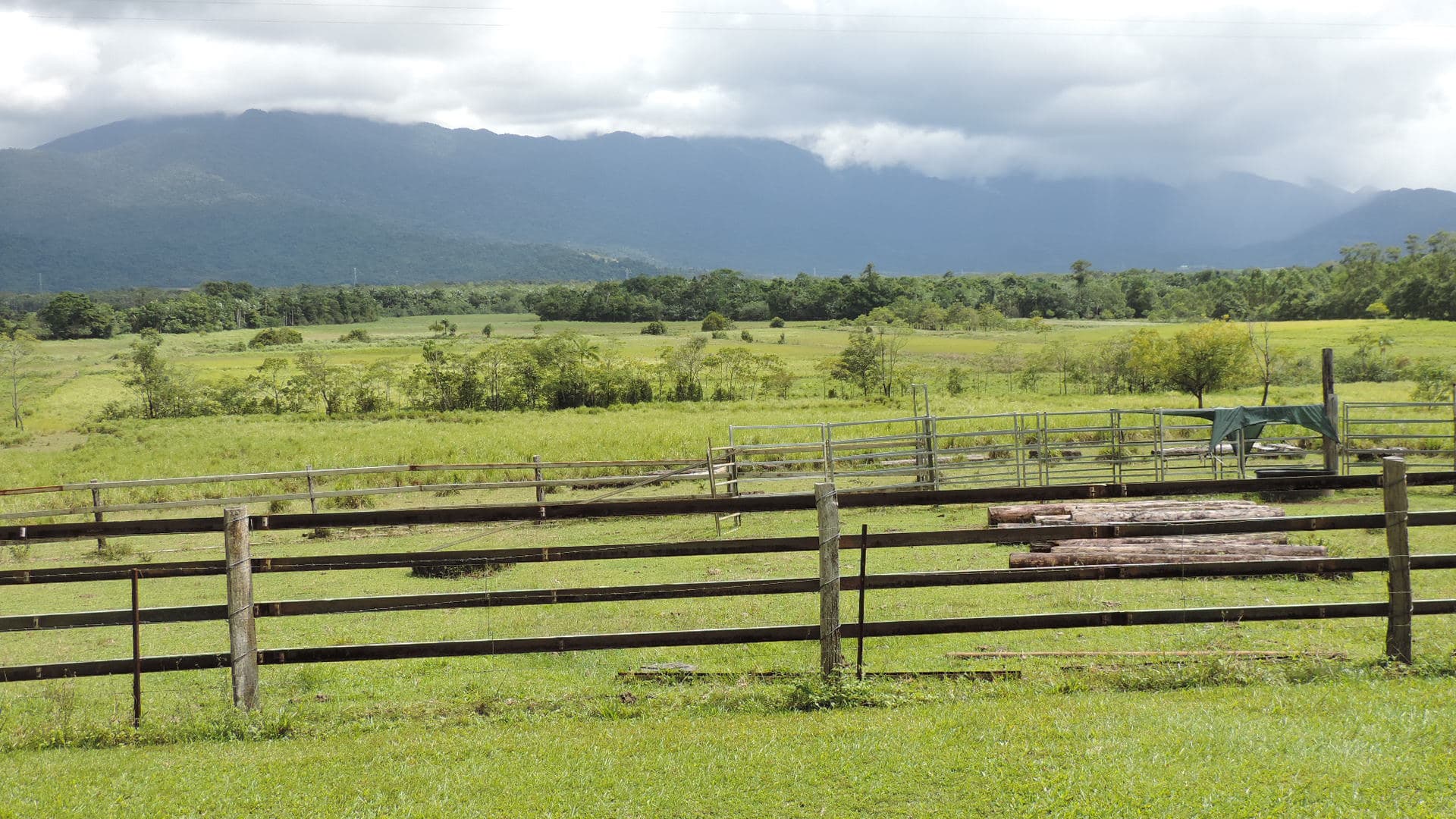
Fencing a rural-residential acreage or lifestyle block
How to fence a lifestyle block that is half suburb, half paddock — streetscape, dogs, a few head of stock, and a neighbour who still lives in town hours.
Mark Denham · 26 June 2025
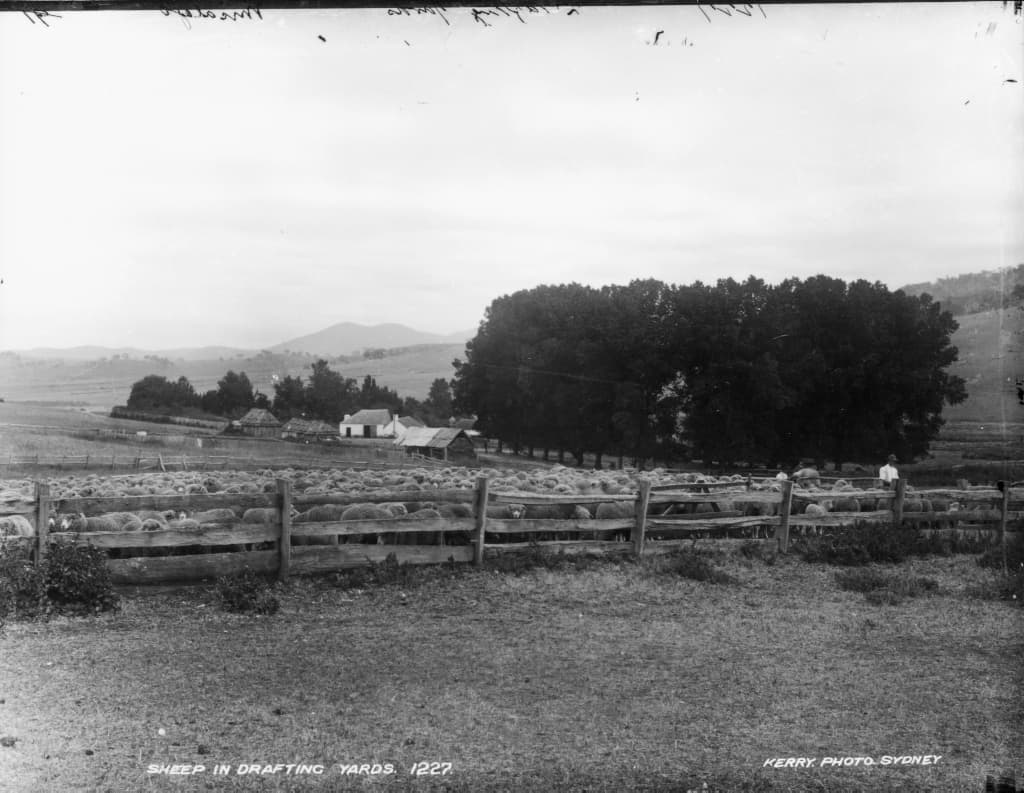
Ringlock and hinge-joint mesh for Australian farm fencing
When sheep, lambs and mixed livestock need a mesh skirt rather than plain wire — how ringlock and hinge-joint differ, where they fail, and what they tend to cost.
Mark Denham · 24 April 2025
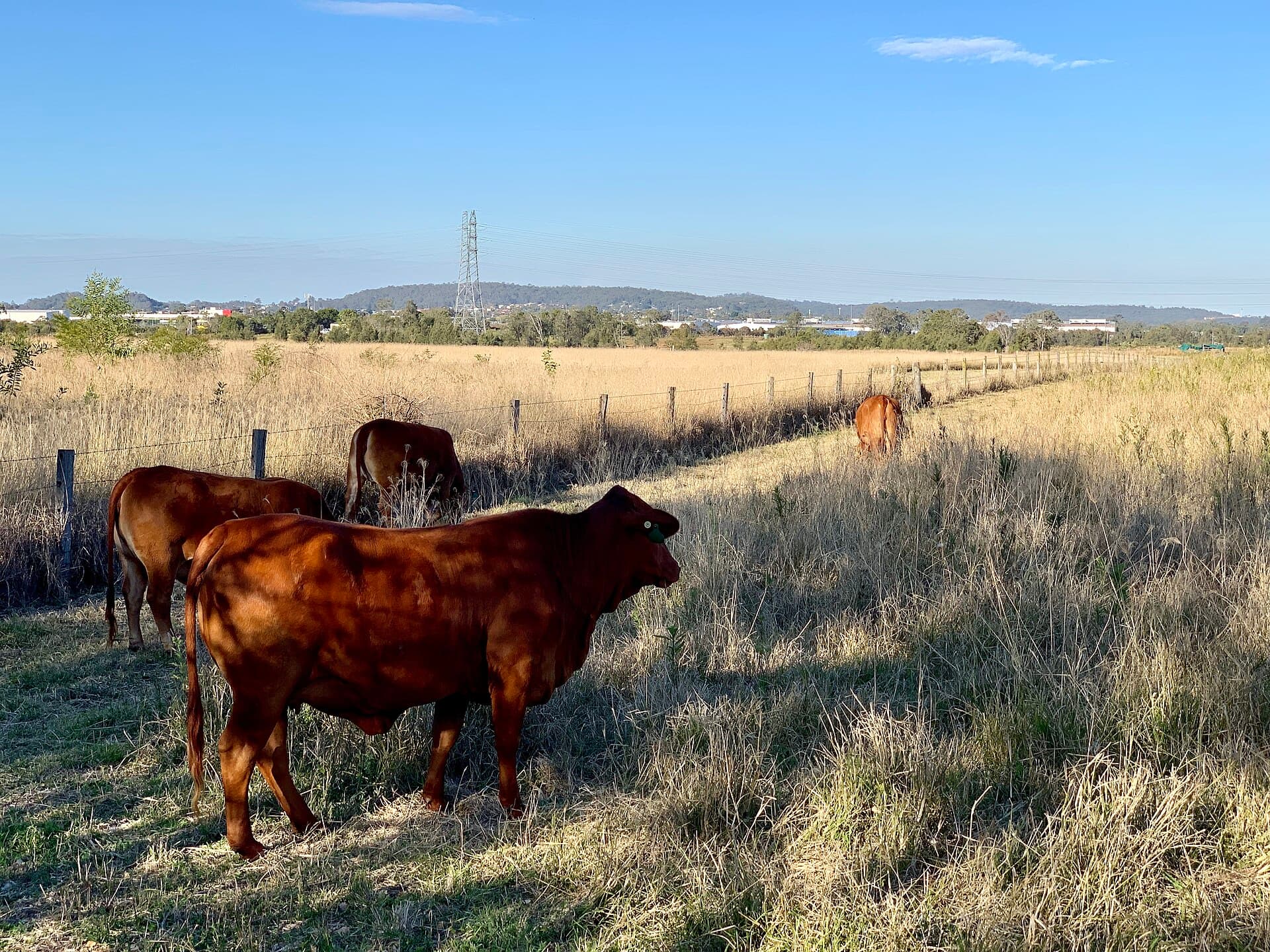
Electric fencing for cattle and horses in Australia
How energisers, earth systems and horse-safe conductors work on Australian paddocks — and where an offset wire beats a heavier conventional fence.
Mark Denham · 12 March 2025