COLORBOND steel fencing colours and profiles
A field guide to COLORBOND fence colours and profiles — Monument, Pale Eucalypt, Woodland Grey — and how to pick a sheet that still looks right in ten years.
By Helen Crowe · 22 January 2025 · Updated 18 August 2026
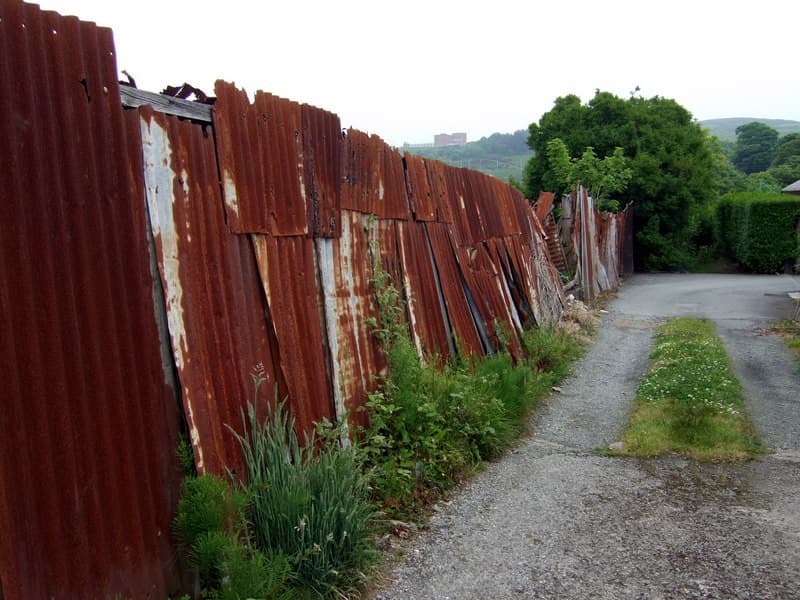
COLORBOND® is not a colour. It is BlueScope’s registered trademark for a pre-painted steel finish, and the fence in the new estate is only one of the places that finish turns up. Roofs, sheds, fascias, garage doors — the same palette keeps showing up because it is designed for Australian light, and because builders can order it without inventing a paint.
That convenience is why whole streets now wear the same dark grey wall. Monument, Woodland Grey, Ironstone: they are good colours, and they are not compulsory. A Pale Eucalypt fence under a cream Queenslander can still be the right call. A Surfmist fence on a limestone Fremantle cottage can be kinder than a charcoal sheet. The job is to pick a colour and a profile that will still look like this house when the estate next door has moved on to the next dark name.
What COLORBOND fencing actually is
A COLORBOND® fence is steel with a metallic coating and a factory paint system, roll-formed into a fencing sheet and hung on a steel frame. Posts, rails, capping and often a plinth come as a system from the manufacturer or the local rollformer. The branded finish is the coating. The shape of the sheet — corrugated, ribbed, a purpose-made fencing profile — is a separate choice.
People say “colorbond” the way they say “hoover”. If you are comparing quotes, ask whether the sheet is COLORBOND® steel or a house-brand painted steel. Both can make a decent fence. They are not the same warranty, and they will not touch-up the same way when a panel gets replaced in 2032.
Keep the sheet out of the soil. A concrete or steel plinth is not a luxury; it is how the bottom edge avoids sitting in wet clay. That one detail does more for lifespan than arguing about a colour name.
Popular COLORBOND fence colours: Monument, Woodland Grey, Pale Eucalypt
BlueScope updates the COLORBOND® range from time to time. Always check the current chart. The names below have been part of Australian streets long enough to talk about in plain language.
Monument. The dark, slightly warm charcoal that became the default “contemporary” fence. It hides dirt better than a true black and still reads as a solid, serious wall. It also soaks heat, shows every dent as a highlight, and can look severe against a pale weatherboard. Excellent behind a garden that can take the contrast. Heavy-handed as a full-height front wall on a cottage.
Woodland Grey. The other suburban default: a mid-dark grey-green that sits quietly against brick, Colorbond roofs of the same family, and gum-tree shade. It is the colour you choose when you do not want a conversation about the fence. On a long side boundary that is a virtue.
Pale Eucalypt. The garden fence. A soft green that belongs with shrubs and with older suburban roofs that were never charcoal. It can look dated next to a black-window renovation, and it can look exactly right behind citrus and a Hills hoist. Sample it in shade as well as sun; greens shift.
Other colours that keep earning a place. Surfmist and similar light neutrals for coastal and limestone country. Evening Haze on cream brick. Deep Ocean only if the house already has that thought. Cottage Green on a country paling-replacement where you want steel but not a city wall.
Dark colours show dust and sprinkler marks. Light colours show cheap fasteners and dog splash. If the roof is already a COLORBOND® colour, start there — then consider a sibling one step lighter so a 1.8 metre wall does not turn the house into a shed.
Light, heat, fading and the ten-year test
Australian UV is not a marketing line. Pre-painted steel is made for it, and it still weathers. A north-west fence in western Sydney or on the Adelaide plains will not look like the swatch in a decade. That is not a product failure. It is the sun.
BlueScope publishes warranty terms that depend on the product and the environment, including distance from breaking surf and industrial sites. Read the document that applies to your sheet. Do not take a brochure promise from a different product and apply it to a fence three streets back from the beach.
Washing does more than most people think. A couple of times a year with a hose, especially after a dusty summer or a salty blow, keeps the finish from holding grime that looks like fade. The summer maintenance notes cover that ordinary care. Do not use a harsh solvent because a barbeque left a mark.
Touch-up paint is for a scratch, not for a panel. If you need a whole new sheet in five years, the batch may have moved. Keep a leftover offcut in the shed, labelled.
Fence profiles: sheet shapes that change the look
The colour gets the attention. The profile is what you actually see at three metres.
Purpose-made fencing sheet. Most contemporary COLORBOND® boundary fences use a fencing profile designed to be lapped into a tidy, good-neighbour wall — a series of shallow ribs rather than a roof sheet stood on its end. It looks finished from both sides, which is the point.
Corrugated. The older Australian silhouette. A corrugated steel fence can look at home on a rural block, a lane, or a house that already has a corrugated roof. On a new estate side boundary it can look like someone used leftover roof iron, unless the detailing is deliberate — a timber post, a proper capping, a height that suits the house.
Deeper ribbed sheets. Some systems use a bolder rib, closer to a wall cladding. They read as more architectural and more unforgiving if the posts are out of plumb.
Capping, plinth and extras. A square capping is the suburban default. A concrete plinth keeps sheet off soil and means demolition will cost more next time. Lattice or slat extensions on top are how people chase privacy without a new 2.1 metre wall. They look like additions — plant through them or own the look. A post the same colour as the sheet is quieter than a contrasting one.
Matching the neighbour, the roof and the street
A dividing fence has two owners. COLORBOND®’s gift is that both faces can be the same colour. Agree the colour in daylight, on a sample, not in a text message that says “the dark one”. If they will only contribute to a sufficient paling, you may be paying for the steel — that is a dividing-fences conversation, not a colour one.
On your own frontage you have more freedom and more council. A full-height dark steel wall on the street is often the wrong move; a low fence or steel infill between masonry piers stays neighbourly. See front fence ideas before you order 1.8 metre sheets for the footpath.
Coastal sites need the right grade, not just the right grey — coastal fencing is the longer read. If the boundary is also a pool barrier, colour will not save a climbable detail. For steel versus timber, start with COLORBOND versus timber paling. Pick the material first. The colour is how you live with it.
Frequently asked questions
What is the most popular COLORBOND fence colour in Australia?
Dark neutrals such as Monument and Woodland Grey have been the suburban default for a long time. Pale Eucalypt remains a common garden green. Popularity is not a specification. Hold a current BlueScope sample against the roof, the brick and the neighbour’s fence in ordinary daylight before you lock a name on a purchase order.
Does COLORBOND fade in Australian sun?
It weathers. The finish is made for Australian UV, and a neglected, dusty, north-west fence will still look older than the swatch. Dirt masquerades as fade. Wash the fence, compare it to a stored offcut rather than a new chart, and read the warranty that applies to your product and your distance from the surf.
Can I mix COLORBOND fence colours or profiles on one block?
Yes. Many households run a darker, practical colour on the side boundaries and a quieter or more open treatment on the street. Mixing two profiles on one straight run usually looks like a leftover pack. Keep each elevation consistent, and make sure the neighbour has agreed if it is a dividing fence.
Filed under Materials and styles. Corrections: contact the desk.
More in Materials and styles
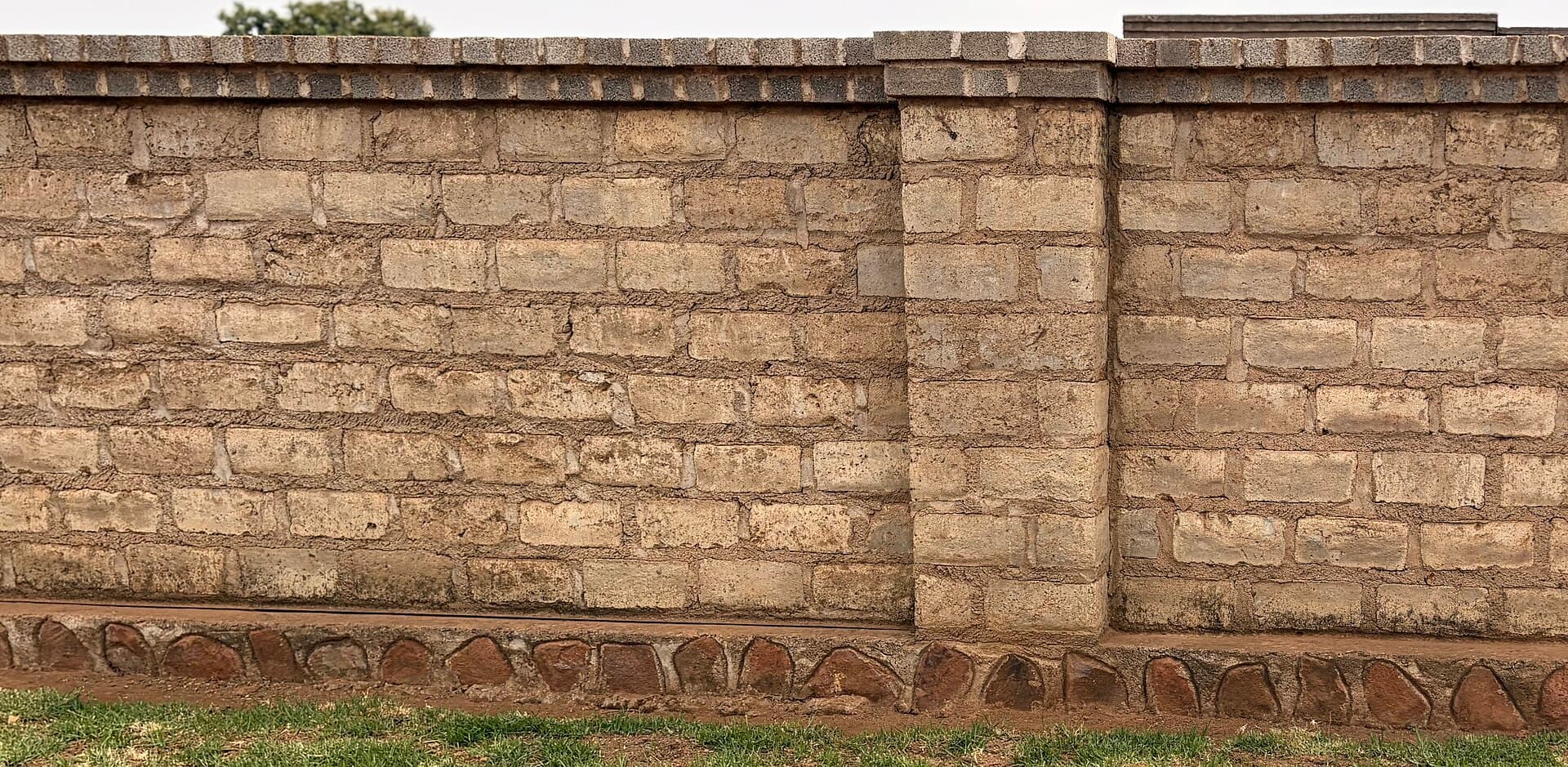
Masonry and rendered block fences in Australia
When a rendered block or brick boundary wall is worth the money in Australia — foundations, neighbours, council, and how masonry compares with lighter fences.
Helen Crowe · 14 August 2025
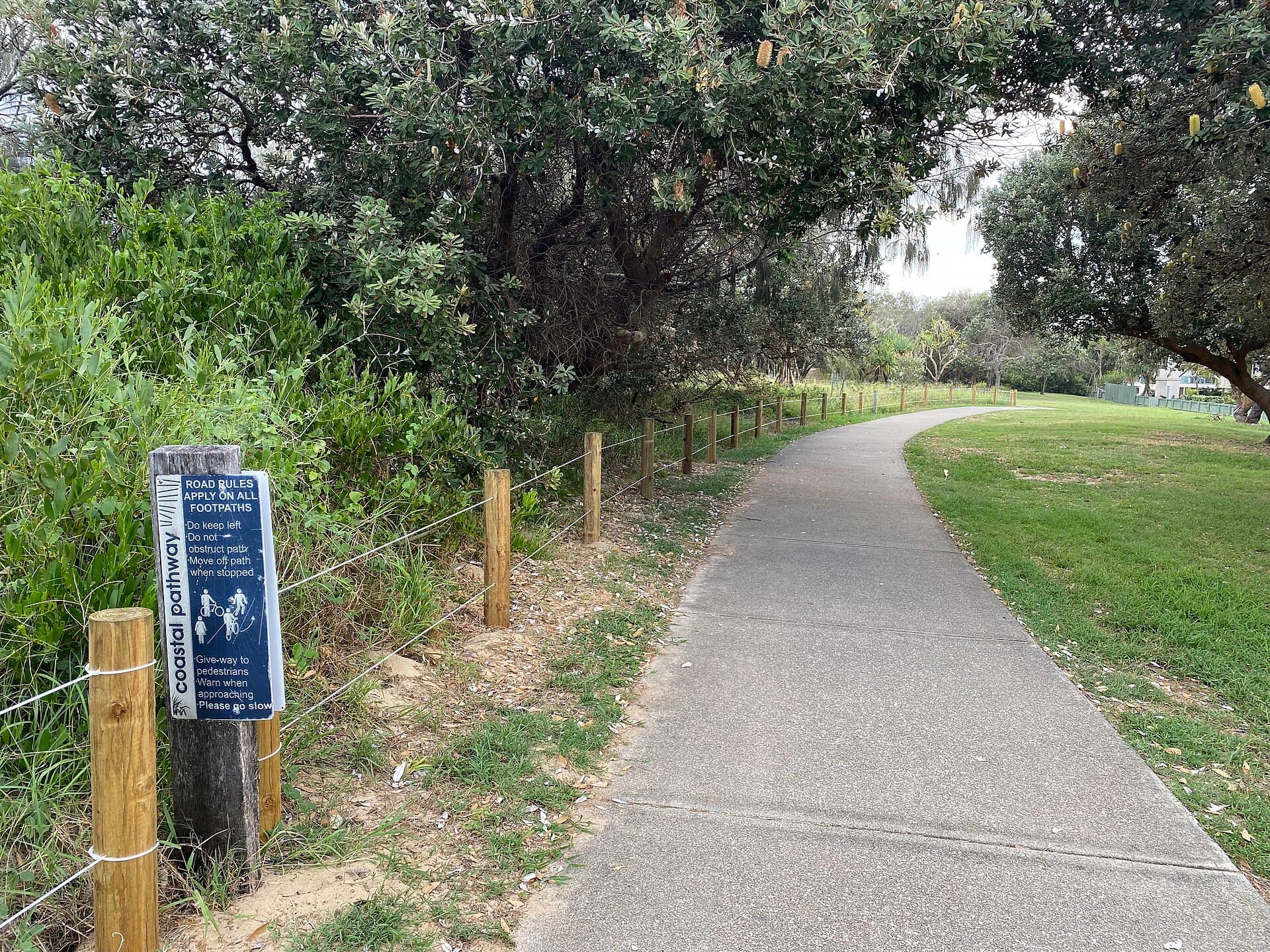
Coastal fencing that lasts in salt air and wind
Why seaside fences die from the bottom and the windward face — coatings, fasteners, marine-grade habits and what is worth paying for on an Australian coast.
Tom Laird · 9 July 2025
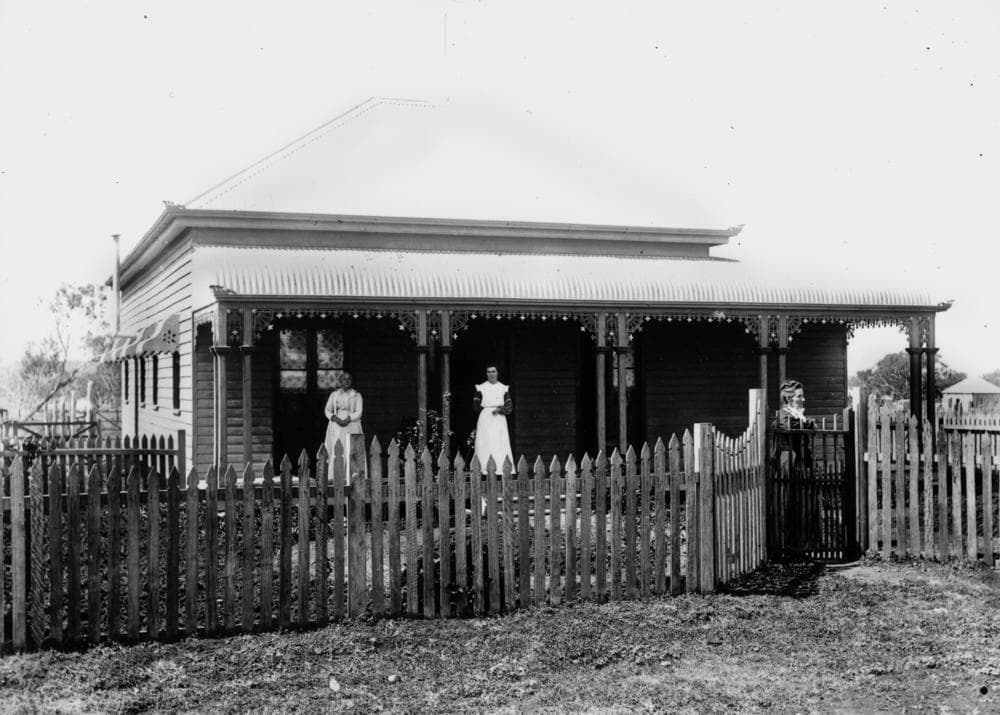
How long a treated pine paling fence lasts in Australia
How long a treated pine paling fence lasts in Australia, what kills it early — termites, wet posts, sun — and the maintenance that actually adds years.
Mark Denham · 3 July 2025