Front fence ideas for Australian homes
Front fence ideas that work on Australian streets — pickets, steel, masonry and slats — plus the council height and character rules that quietly decide the job.
By Helen Crowe · 16 April 2025 · Updated 12 June 2026
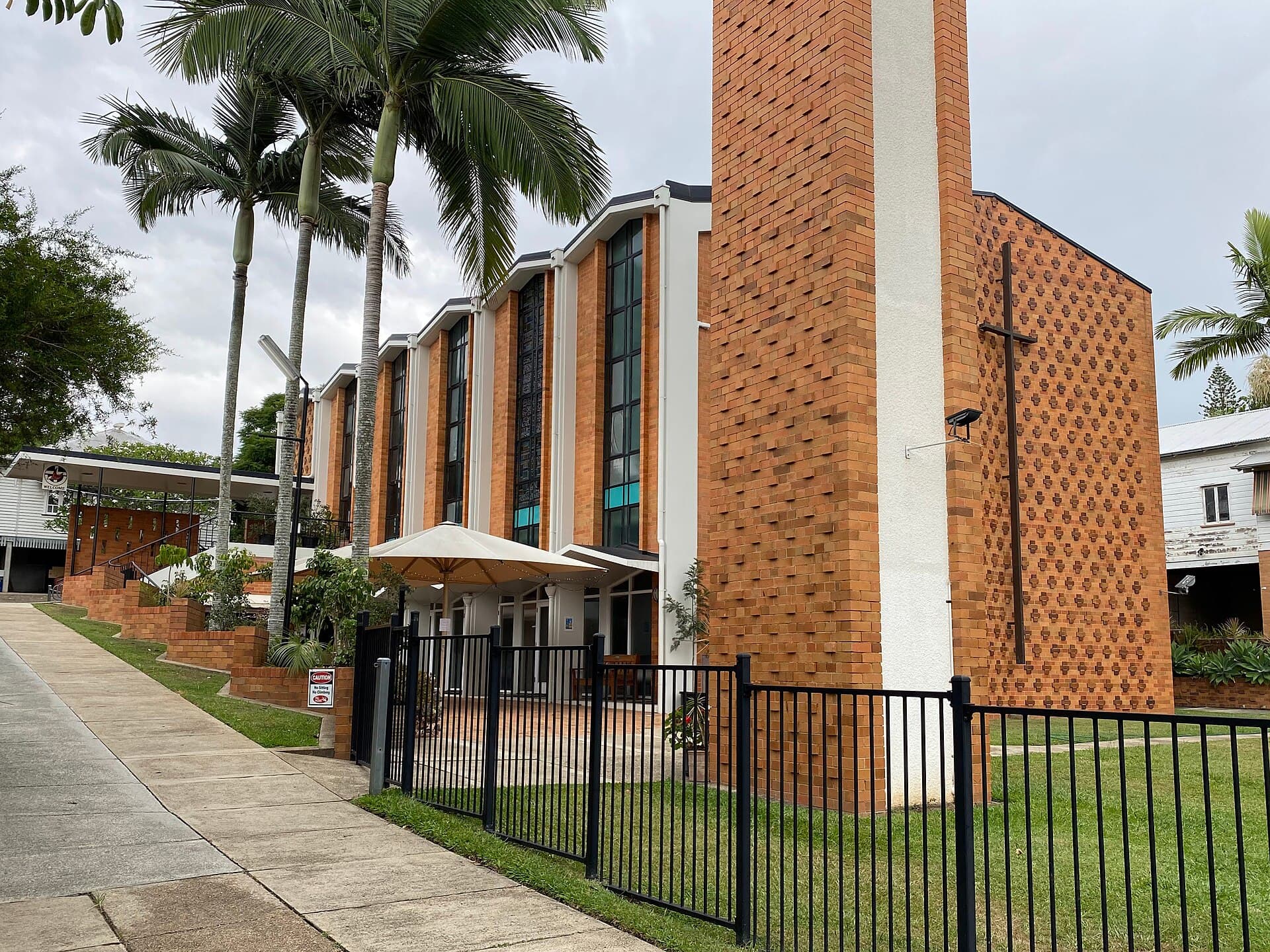
A front fence is not a side fence that wandered onto the nature strip. It has to deal with the street, the council, the bins, the meter reader, and the fact that every passer-by will have an opinion. On a good Australian block it also has to do something kind for the house — frame it, not bully it.
The ideas that last are usually the quiet ones: a picket that matches the weatherboards, a low steel fence that does not fight the roof, a masonry pier that belongs to the era of the brick. The ideas that age badly are the ones copied from a display village and dropped onto a 1920s cottage in Toowong or a terrace in Surry Hills.
What a front fence has to do on an Australian street
Start with the jobs, not the Pinterest board.
It marks the boundary so the dog, the toddler and the courier share a theory of the block. It needs a gate that latches, room for a letterbox the post can reach, and a driveway gate that does not scrape the footpath. On a corner it has to leave sightlines so a reversing ute can see a pram.
A low, open fence makes a small cottage look bigger. A high solid wall can make the same cottage look imprisoned. In older suburbs — North Adelaide, Fremantle, East Melbourne, the Queenslander streets of New Farm — the street already has a language. You do not have to copy the neighbour, but you should be able to explain why you are shouting.
Council front fence height and openness rules
This is the paragraph that saves a demolition. Front-fence rules sit in local planning schemes and residential codes, and they are not the same in every council. In many Australian suburbs a low solid fence — often around 1.2 metres — is the easy, complying story. A taller fence is more likely to be acceptable if it is open: pickets, slats, palisade, or a solid base with an open top so you can still see the garden.
Corner blocks are treated more strictly because of traffic sightlines. Heritage overlays, character precincts and some bushfire or coastal controls add another layer. A 1.8 metre solid COLORBOND® wall across a Federation frontage is the sort of idea that looks cheap until the council letter arrives.
I am not going to invent a section number for your planning scheme. Ring the council, take a photo of the street with you, and if the fence retains the front garden you may have left “fence” and entered “building work”. Dividing-fences law does not usually decide your frontage. You pay for the front fence. The neighbour pays for their opinion.
Picket fences and timber character frontages
The painted picket is still the most forgiving front fence on a timber house — a Queenslander, a Californian bungalow, a weatherboard in Geelong or a worker’s cottage in Thebarton. Keep the height modest and the colour close to the house trim. Size the gaps for the dog you actually own. Timber needs upkeep: the bottom rail rots first in a wet summer, and paint chalks in high UV. That is the price of the look.
A low paling with a clipped hedge, a palisade, or a simple rail with planting still works. A tall closed paling on the street reads as a side fence that got lost. If your street has a conservation overlay, start with the heritage and character fencing notes.
Steel, aluminium slat and masonry front fence ideas
Steel. COLORBOND® — BlueScope’s pre-painted steel — can make a calm front fence if you keep it low, or pair a low solid base with an open top. Match it to the roof if the roof is already a COLORBOND® colour, and be wary of a full-height Monument wall on a pastel cottage. The colour and profile guide is the place to test that thought. Steel is tidy, termite-proof and fast. It is also unforgiving if the set-out is crooked.
Aluminium slats. Horizontal slats are the default contemporary frontage from Brunswick to Subiaco. Gap size decides whether you have a screen or a suggestion. They cost more than a paling or basic steel — see the fencing cost guide — and they are worth it for shadow and air. The longer piece is aluminium slat fencing.
Masonry. Brick piers with infill, a rendered dwarf wall, a low stone fence in an Adelaide foothills street: masonry still belongs on brick houses. It is a footing job and it cracks on clay if nobody allowed for movement. Used well — low, with planting, perhaps steel infill between piers — it is the most permanent-looking frontage on an Australian block.
Hybrids. A rendered base with slats above, brick piers with a steel gate, a picket on a masonry plinth: this is how older suburbs stay themselves while the gate hardware gets newer.
Driveways, letterboxes, bins and the bits everyone forgets
A pretty fence with a miserable gate is a miserable fence. Swinging driveway gates need room to open without hitting a car or a meter box. Sliding gates need a clean run. Motorisation is a separate decision about power and safety sensors.
Letterboxes have their own rules — height, visibility, whether the postie will walk up. Build the box into a pier if you want it to look intended. Bins want a screened nook that still opens on collection morning. In inner Brisbane and Melbourne that nook is often the whole design.
A front fence that hides the living room can be a gift on a busy road and unfriendly on a quiet cul-de-sac. Privacy fencing belongs mainly in the backyard; use it on the street only with a reason.
How to choose a front fence that will still look right
Walk your own street at dusk. Note the heights, the open versus solid, the materials that have lasted. A Queenslander does not need a reproduction of 1890; it needs a fence that does not look like a 2014 townhouse. A new build can take a bolder steel or slat line if the roof and window frames already speak that language.
Budget for the gate hardware and the planting. A cheap latch on a dear fence will always look like the latch. Prices vary by city, ground and access — a sloping Adelaide Hills verge is not a flat Canberra nature strip. If the block is coastal, ask about fasteners. If it is bushfire-prone, ask what is allowed before you order pickets by the hundred. And do not guess the boundary from the old stumps. The footpath is not a survey.
The residential fencing hub collects the side-boundary and backyard pieces. The front fence can be the one place you spend a bit more attention, because you will look at it every time you come home.
Frequently asked questions
How high can a front fence be in Australia?
It depends on the council and the planning scheme, not on a single national number. Many suburban codes treat a low solid fence, often around 1.2 metres, as the straightforward option, and allow more height when the fence is open or part-open. Corner blocks, heritage overlays and some character streets are tighter. Check your local rules before you order materials.
Do I need council approval for a front fence?
Sometimes. A simple, complying low fence on an ordinary residential street may not need a development application. A high solid wall, a fence that retains soil, work on a corner, or anything in a heritage or character precinct often does. Ask the council and describe the height, material and openness honestly.
What is the best front fence for an Australian weatherboard house?
There is no trophy answer. A painted picket or a low timber fence still sits most comfortably on many older cottages. Steel, aluminium slats or a low masonry base can work when the colour, height and amount of openness match the house and the street. Look at the neighbouring frontages, then choose the quietest idea that still does the job.
Filed under Residential fencing. Corrections: contact the desk.
More in Residential fencing

Privacy fencing for suburban Australian backyards
How to get real backyard privacy in Australian suburbs without a neighbour war — height, screening, 2.1-metre fences, and materials that actually block the sightline.
Helen Crowe · 8 May 2025
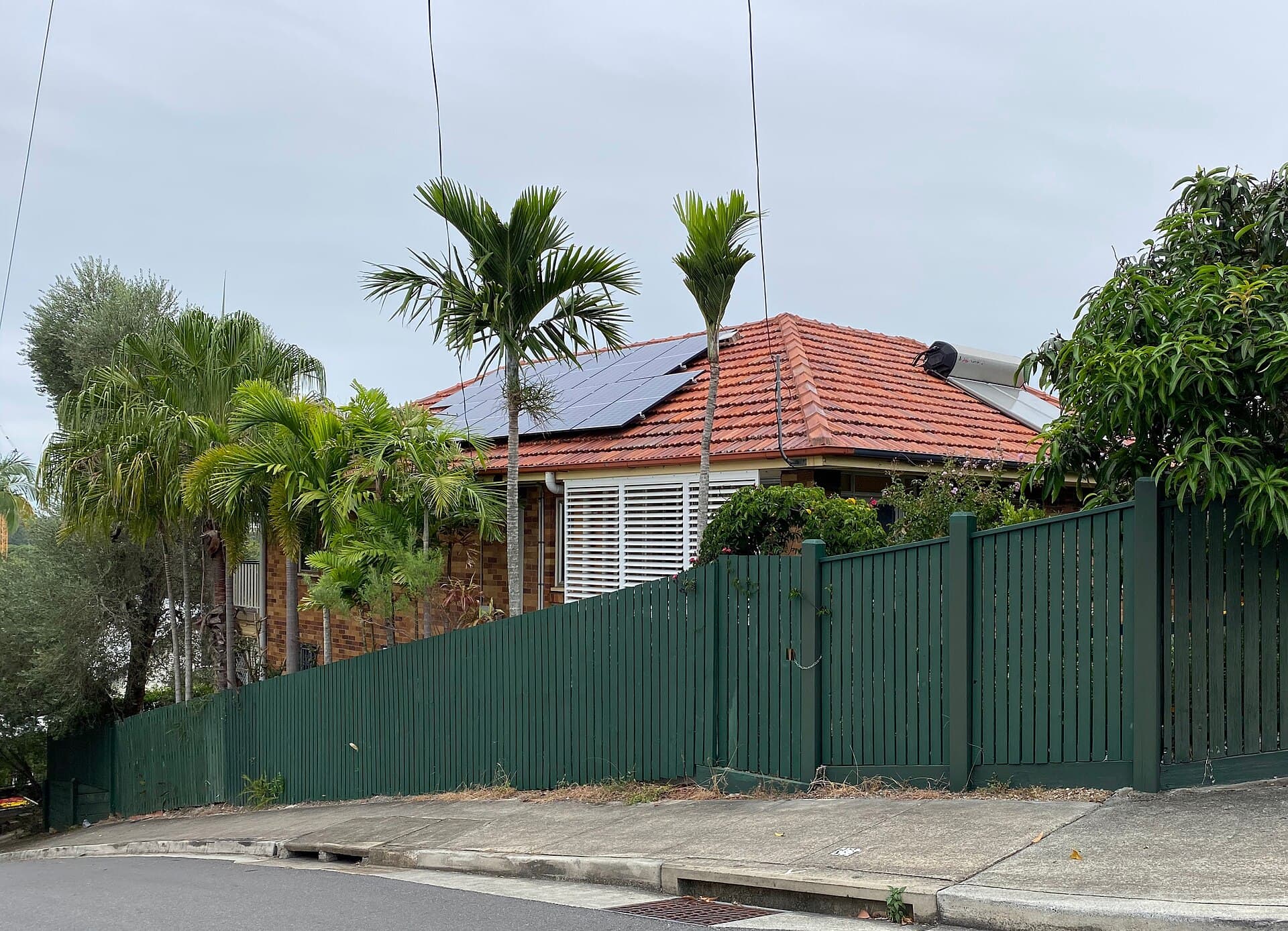
Fencing cost in Australia, a practical per-metre guide
What Australian homeowners actually pay for paling, COLORBOND, slat and masonry fences — per-metre ranges, extras that blow quotes, and how to compare like-for-like.
Helen Crowe · 4 March 2025
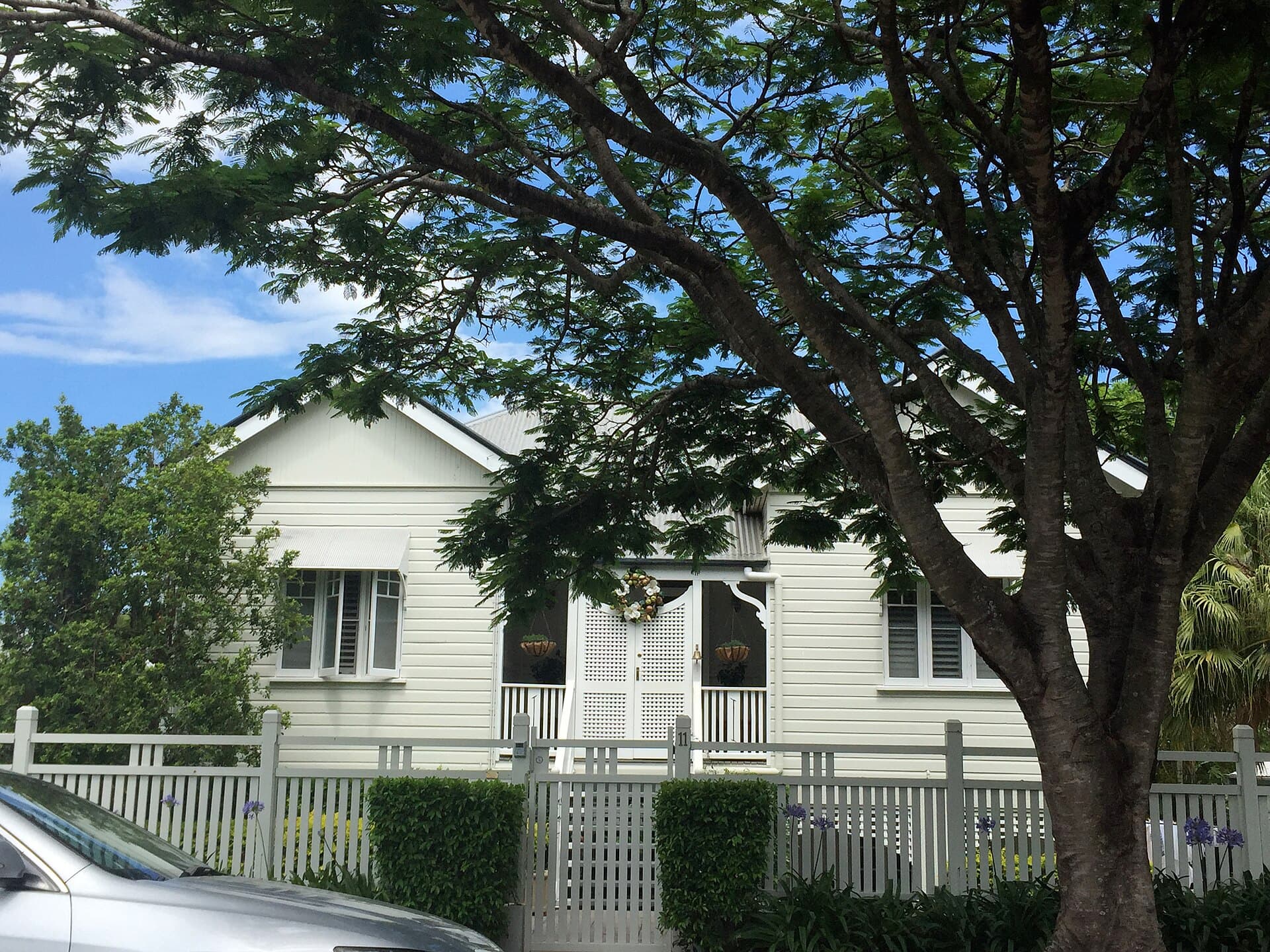
COLORBOND versus timber paling fence in Australia
A practical comparison of COLORBOND steel and timber paling for Australian boundary fences — cost, lifespan, neighbours, climate and when each material earns its keep.
Helen Crowe · 11 February 2025