Heritage and character fencing in older Australian suburbs
Front fences in heritage streets and character overlays are a planning problem before they are a fencing problem. A practical briefing on pickets, height, COLORBOND®, and how to talk to council without inventing a DCP clause.
By Priya Nair · 28 August 2025 · Updated 18 March 2026
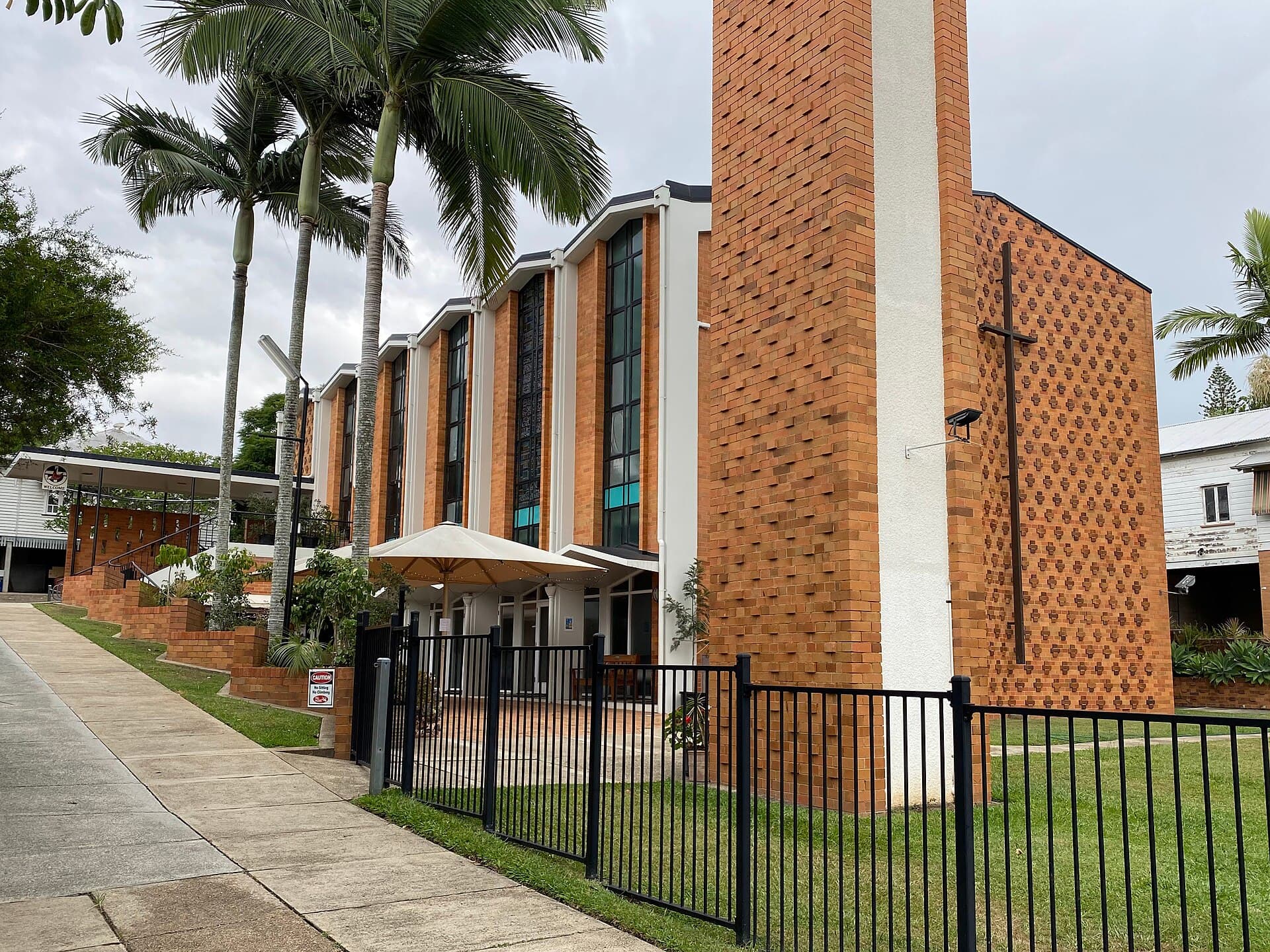
Older Australian suburbs teach you to read a street from the fence. A low timber picket in Ashfield or Toowong tells you the house is meant to be seen. A brick-and-iron palisade in a mining town tells you the same thing in a different accent. A two-metre COLORBOND® wall on that frontage tells you someone treated a planning overlay as optional.
Heritage listings and character overlays are not taste police in the abstract. They are local rules about how a street presents, and the front fence is one of the first things an assessment officer can see from a car. Rear dividing fences are a quieter conversation. Confusing the two is how a straightforward paling job becomes a show-cause notice.
This is not legal advice. Overlays, exemptions and application forms differ by council, and they change. Read the planning scheme that applies to the lot, then talk to the duty planner before you talk to a fencing contractor.
What heritage and character overlays actually care about
A heritage listing — state or local — attaches to a place. Work that changes the setting, including a new front fence, often needs approval. A character overlay or neighbourhood-character control is usually broader: it covers a street or a pocket of weatherboard houses and asks new work to sit quietly among them. Some cities, Brisbane among them, have spent years arguing about “character” as a timber-and-tin idea. Others, in Melbourne and Adelaide, talk about neighbourhood character in a more general way. The paperwork differs. The instinct is the same: the street is a shared room.
Front fences are part of that room. Overlays commonly want them low, open, and in a traditional material — timber picket, brick pier with timber infill, simple metal palisade. They commonly resist solid high walls, unrelieved masonry, and factory-finished steel sheet on the street. Side returns, the first few metres down a side boundary from the footpath, are often treated as part of the frontage even though a fencer thinks of them as “the side”.
Rear and side dividing fences, once you are past that return, are more likely to be treated as ordinary sufficient fences. A 1.8-metre paling or a COLORBOND® run — COLORBOND® is BlueScope’s trademark — is widely accepted behind the building line. It may still be the wrong object on the footpath.
If you are choosing a look rather than answering an overlay, our gallery of front-fence ideas for Australian homes is a better starting point than a brochure for a backyard screen.
Materials, height and the COLORBOND® question
Material is the argument people have in the hardware aisle. Height is the argument the council will actually measure.
Many character controls prefer a front fence that keeps the verandah visible. That often means a traditional picket height, not a privacy wall. This journal will not invent a millimetre figure and pretend it is national. Some schemes say 1.2 metres; some say 1.5; some distinguish between solid and open infill; some allow a taller pier. Copying a number from a neighbouring council is how people fail a private certification. Open the overlay map, then open the code.
Timber remains the default in weatherboard streets because it matches the house. It also weathers, and it needs a paint cycle the owner of a steel fence thought they had escaped. Steel palisade and simple iron can be honest on a brick or federation house if the profile is slim. Brick piers with open infill are an old Australian compromise. Bamboo, basketweave and unrelieved sheet are the materials that most often surprise an owner when the council says no.
COLORBOND® steel is an excellent backyard fence and a frequent frontage refusal. If you want the durability, ask the duty planner whether a particular profile is contemplated behind the building line, or on a side boundary that is not the street. Do not try to win a character argument by naming a colour from the current COLORBOND® range. A well-chosen green is still a steel wall.
Privacy is a real appetite in older suburbs, where houses sit close and Airbnb has arrived on the next verandah. A high solid front fence is still usually the wrong answer under an overlay. Set the privacy back: a screen on the verandah, a hedge inside a low fence, a taller run on the rear line. If you also need a pool barrier, do not ask a low character picket to do AS 1926.1 work; pull the barrier inside the line.
Council process, neighbours and the rest of the block
Talk to the council early. A duty-planner conversation, with a photograph of the street and a sketch of height and material, will tell you whether you need a development application, whether a code-assessable exemption exists, or whether you are about to buy a fight. Heritage officers are not all opposed to new work. They are opposed to new work that pretends the street is a clean slate.
Bring the neighbour along if the fence is shared. A character frontage can be more expensive than a sufficient backyard paling — extra carpentry, extra paint, extra posts. Dividing-fences law still starts with a sufficient fence for the locality. In a heritage street, “sufficient” on the footpath may be the picket. In the backyard, it may still be steel. Split the notice that way. Do not serve a single quote that hides a street-front joinery job inside a rear-fence rate.
Contractors who work only in new estates will quote a COLORBOND® front before they have looked at the overlay. Hire someone who will read the planning note and who has built pickets that last through a Brisbane wet season or a Melbourne winter. Cheap pine on a heritage frontage is a maintenance plan, not a saving.
If the lot is also in a bushfire-prone area, or on a flood path, the overlay stack gets taller. A timber picket that satisfies character may be the wrong material for ember attack; a steel fence that satisfies bushfire may be the wrong object on the street. Those conflicts are why you ask the council, not a group chat.
Keep records: the overlay printout, the email from the duty planner, the approved drawing, the paint specification. The next owner will be asked. So will the next assessment officer, when someone wants to replace your careful picket with a wall.
Older suburbs repay the care. The fence is the handshake the street offers a stranger. Make it one the overlay can recognise, and make the tall, private, useful fence where the street cannot see it.
The rest of our neighbours-law journal is about money and lines. This piece is about permission. Get the permission first.
Frequently asked questions
Can I put a COLORBOND® fence on a heritage or character frontage?
Often no, or only at the rear. Street frontages in heritage conservation areas and character overlays are commonly expected to stay low, open and in timber, brick or metal palisade. COLORBOND® steel — a BlueScope trademark — is widely accepted as a backyard dividing fence and widely resisted as a front wall. Ask the council, with a photograph of the street, before you order sheet. A colour choice will not convert a steel wall into a picket.
How high can a front fence be in a character suburb?
Many overlays prefer a low fence that keeps the house visible from the street — the height of a traditional picket, not a privacy screen. The exact number lives in your local planning scheme. Some codes distinguish between solid and open infill, or allow a taller pier. Do not copy a figure from a neighbouring council, and do not assume a 1.8-metre side fence can turn the corner onto the footpath without becoming a front fence.
Does the neighbour pay for a heritage-style dividing fence?
They share a sufficient fence for the locality. If the overlay forces a dearer street presentation, that extra can sit with the owner who wants the visible front, or it can be argued as part of sufficiency in that particular street. A backyard COLORBOND® run is a different conversation from a picket on the boundary to the footpath. Split the quote, serve a proper notice, and check both the dividing-fences Act and the planning scheme before anyone digs.
Filed under Neighbours and the law. Corrections: contact the desk.
More in Neighbours and the law
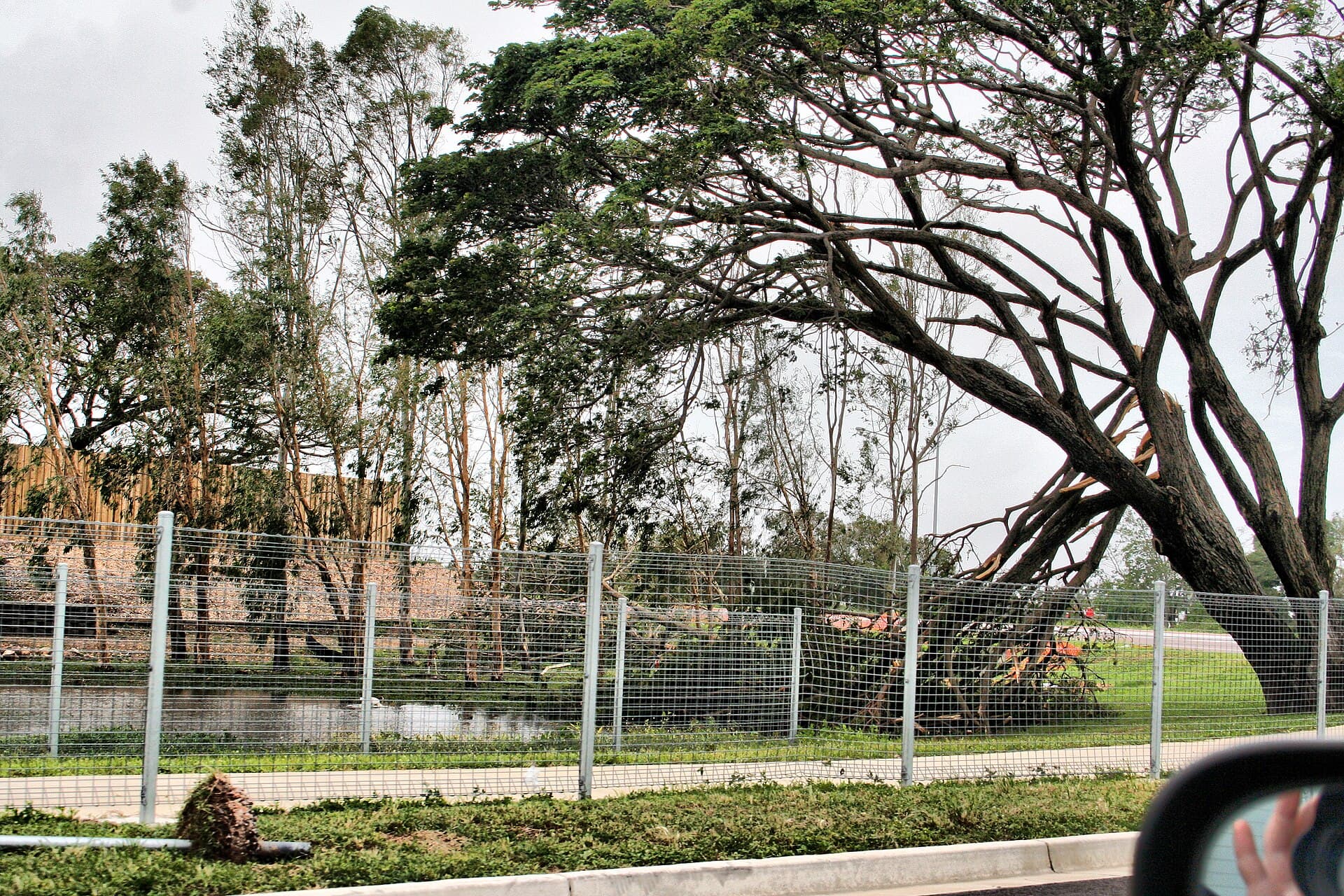
Retaining walls versus fences — who pays when the land has been cut
A retaining wall holds earth. A dividing fence holds a conversation. When the two are stacked on one boundary, cost, engineering and notices split. A conservative Australian briefing, including storm damage.
Priya Nair · 17 July 2025

Boundary fence disputes — surveys, encroachment and the line you thought you owned
When the posts do not match the title, stop building. A practical Australian briefing on identification surveys, encroachment, fence lines that have “always been there”, and how to keep a dispute from outrunning the land.
Priya Nair · 27 March 2025
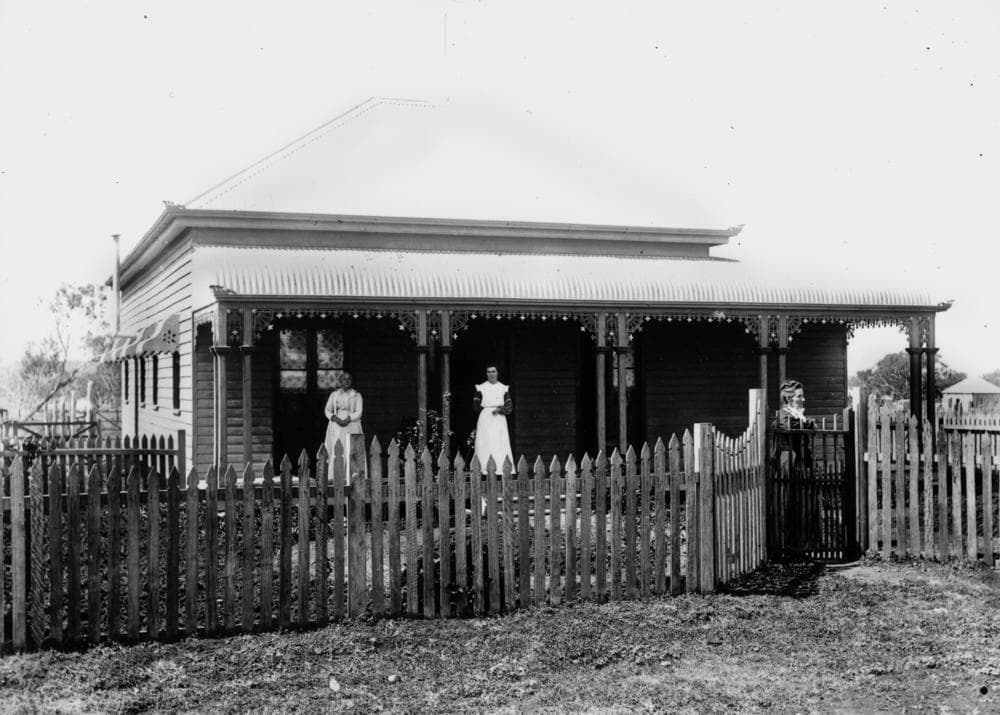
Dividing fences law in Australia — who pays, and how the notice works
Neighbours usually share a sufficient dividing fence. A careful, state-aware briefing on fencing notices, contribution, and the jobs a fence is not — pool barriers, retaining walls, heritage fronts — without pretending this is legal advice.
Priya Nair · 30 January 2025