Choosing a fencing contractor — quotes, licences and what to compare
How to read a fencing quote in Australia, which licences actually matter, and the site questions that separate a proper crew from a cheap metre-rate.
By Tom Laird · 31 March 2025 · Updated 14 September 2026
A good fence is mostly preparation and a square post. A good fencing contractor is mostly the person who will still answer the phone when the gate binds in March. The rest — the ute signage, the brand of panel, the firm handshake — is optional.
Hiring is a comparison exercise, not a hunt for the lowest metre-rate. Licences, insurance, a quote that names the product, and a walk on your actual line will tell you more than a five-star average from a suburb the crew has never worked. This sits with the rest of install and maintain: the job is not finished when the last sheet goes on.
What “licensed” means — and what it does not
Australia does not have one fencing licence. States and territories regulate building work differently. Some rural wire jobs sit outside contractor licensing. Some suburban steel fences sit inside it once the value or the structure crosses a threshold. Add a retaining plinth, a brick pier, a mains-powered gate or a pool barrier, and you have almost certainly left “mates rates with a post hole digger” and entered work that other licences touch.
Ask a direct question: which licence or registration covers this job, in this state, at this value? Then check it on the public register. A builder’s licence is not automatically a pool-certifier’s authority. An electrician’s licence is what you want on a gate motor, not a fencer who “does a bit of wiring”. A company name on an invoice should match the name on the licence.
Insurance is the twin question. Public liability is ordinary. Workers compensation is ordinary if they have employees. Ask for certificates of currency that are in date, not a logo on a website. You are not being rude. You are being the person who owns the title.
None of this is legal advice. If the job is a pool barrier, the AS 1926 pool fencing rules still want a compliant installation and, in many places, a certified result. A cheap crew that does not understand climbable zones is expensive.
How to make quotes comparable
Write a one-page brief: metres of each run, height, product (including colour or wire spec), posts, plinth or no plinth, gates with clear openings, demolition of the old fence, rubbish removal, and access notes. Send the same brief to everyone. Meet on site.
A useful quote names the sheet or paling grade, the post size and centres, the footing idea, the number of strainers on a rural job, and what happens when they hit rock. A less useful quote says “supply and install fence” and a dollar figure.
Watch the exclusions. Rock, hidden concrete, service relocation, neighbour’s trees, and “owner to clear line” are the usual ones. They are fair if they are visible. They are a fight if they appear after the old fence is already gone.
Price bands in this journal are conservative on purpose. Suburban steel or paling often lands somewhere around $80 to $200 per metre installed for a standard height on a civil site; rural wire and mesh sit lower per metre and higher in travel and assemblies; gates are extra. Use the fencing cost guide as a sense-check. A quote far below the band is not a bargain until you know what was left out.
GST should be obvious. So should the payment schedule. So should a start window that is a month, not a vibe.
Site manners, neighbours and the dividing fence
A contractor can build a beautiful fence on the wrong line and still have failed. Ask how they confirm boundaries. If the line is soft, budget a surveyor before you budget a colour. Dial Before You Dig should be in their mouth before it is in yours; if they have never heard of it, keep walking.
Dividing-fence work has a neighbour attached. Some crews will wait while a notice runs. Some will not. If contribution is in play, read who pays for dividing fences and do not ask the fencer to be your solicitor. Do ask them to stay off the neighbour’s roses and to leave a gate that both sides can use if that was the deal.
Clay, salt and termites should come up in the site walk without you having to perform a lecture. A crew that has only ever fenced sandy canal estates may under-foot a black-soil western suburb. A crew that has only ever run kilometres of farm wire may treat a Colourbond step as a shrug. Match the experience to the fence.
Rural crews and suburban crews are different animals
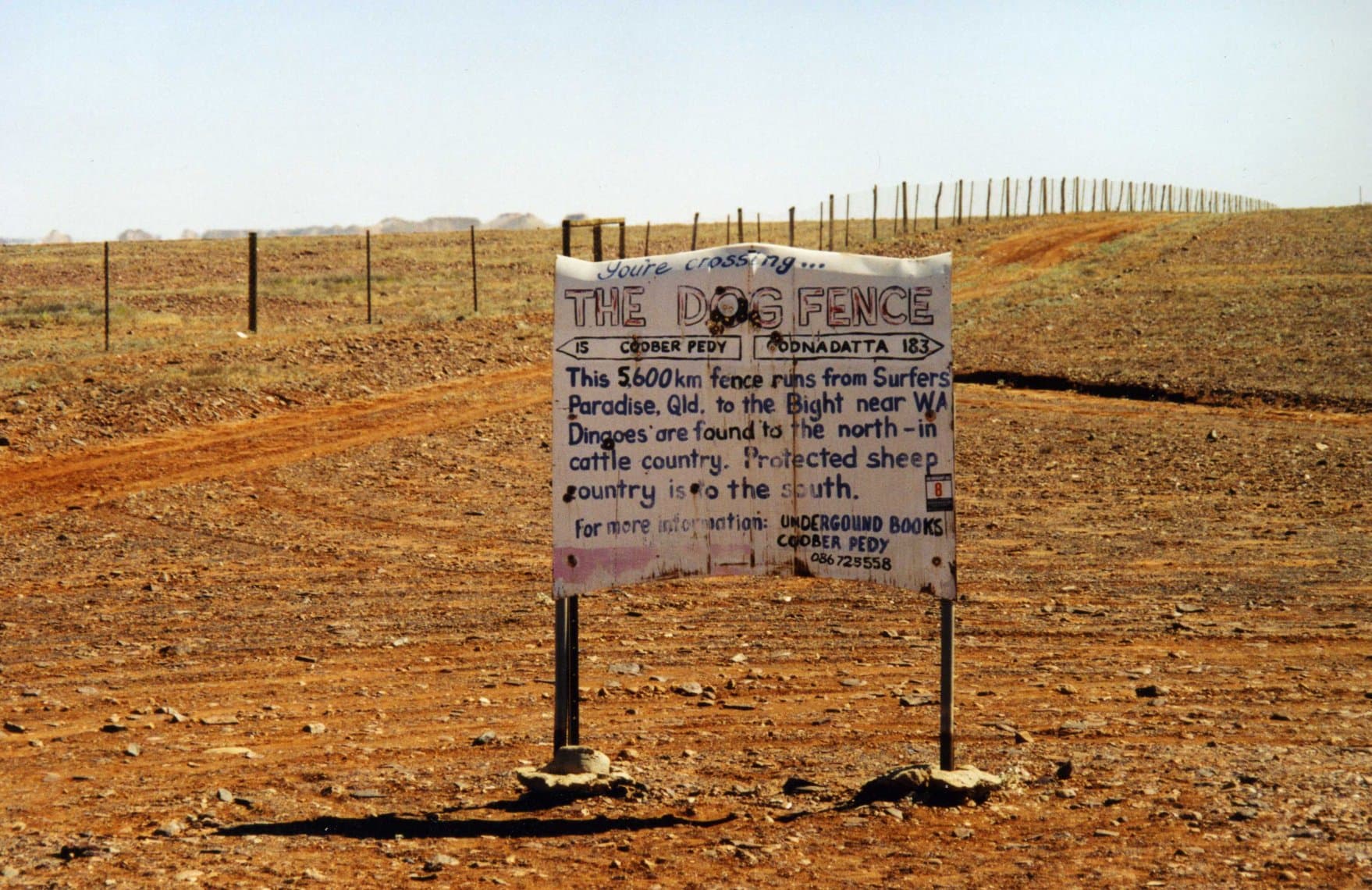
The Dingo Fence was not built by a side-fence specialist, and your backyard will not be improved by a contractor who only thinks in 200-metre bays of high-tensile. That is not an insult to either trade. It is a specification.
For stock fences, ask about strainer assemblies, not about the colour of the star pickets. Ask who is supplying the wire and what gauge. Ask how they re-strain after settlement. For suburban sheet, ask about fall, overlapping, and how they finish a cut on a slope. For timber, ask about treatment levels and whether they will keep soil off the palings.
A contractor who offers both, and can explain when they would not use one or the other, is usually worth the extra metre-rate. The Colourbond versus timber decision is yours; the detailing is theirs.
If the job is mostly preparation — demolition, levels, a rotten retaining sneak — hire the person who talks about that first. Panels are the easy bit.
Contracts, variations and when to walk away
A written scope, even a short one, beats a handshake on a 40-degree Tuesday. Record variations when rock appears or when you decide the gate should be a metre wider. Do not let a casual “we’ll sort it” become a second invoice that looks like a first.
Walk away from cash-only jobs with no address, from crews who want most of the money before materials land, and from anyone who tells you Dial Before You Dig is for “real builders”. Walk away from a pool-fence quote that does not mention latches, gaps or non-climbable zones.
Keep a folder: quote, licence check, insurance PDF, Dial Before You Dig job number, colour confirmation, and photos of the site before they start. If something goes wrong, that folder is the fence.
Good contractors are busy in the dry months and honest about it. A start in six weeks from a crew you trust will beat a start on Monday from a crew you found on a telegraph pole. The fence will be there longer than the inconvenience of waiting.
Frequently asked questions
Do fencing contractors need a licence in Australia?
It depends on the state or territory, the value of the work, and whether the job includes structures that sit under building laws — brick, retaining, electrical gates, pool barriers. Queensland’s contractor licensing, New South Wales contractor licensing and Victoria’s registration rules are not the same document. Ask for the licence that applies to your job and check it, rather than accepting “licensed” as a personality trait.
How many quotes should I get for a fence?
Three comparable quotes is the usual discipline. Comparable means the same height, product, post spec, gate count and demolition. Two cheap numbers and a proper specification are not three quotes; they are two guesses and a plan.
Should I pay a fencing contractor a deposit?
Small deposits for materials on a dated start are common. Large cash deposits to a mobile number are not. Use a traceable payment, agree staged amounts, and do not pay the last portion until gates latch and the site is left as promised.
Filed under Install and maintain. Corrections: contact the desk.
More in Install and maintain
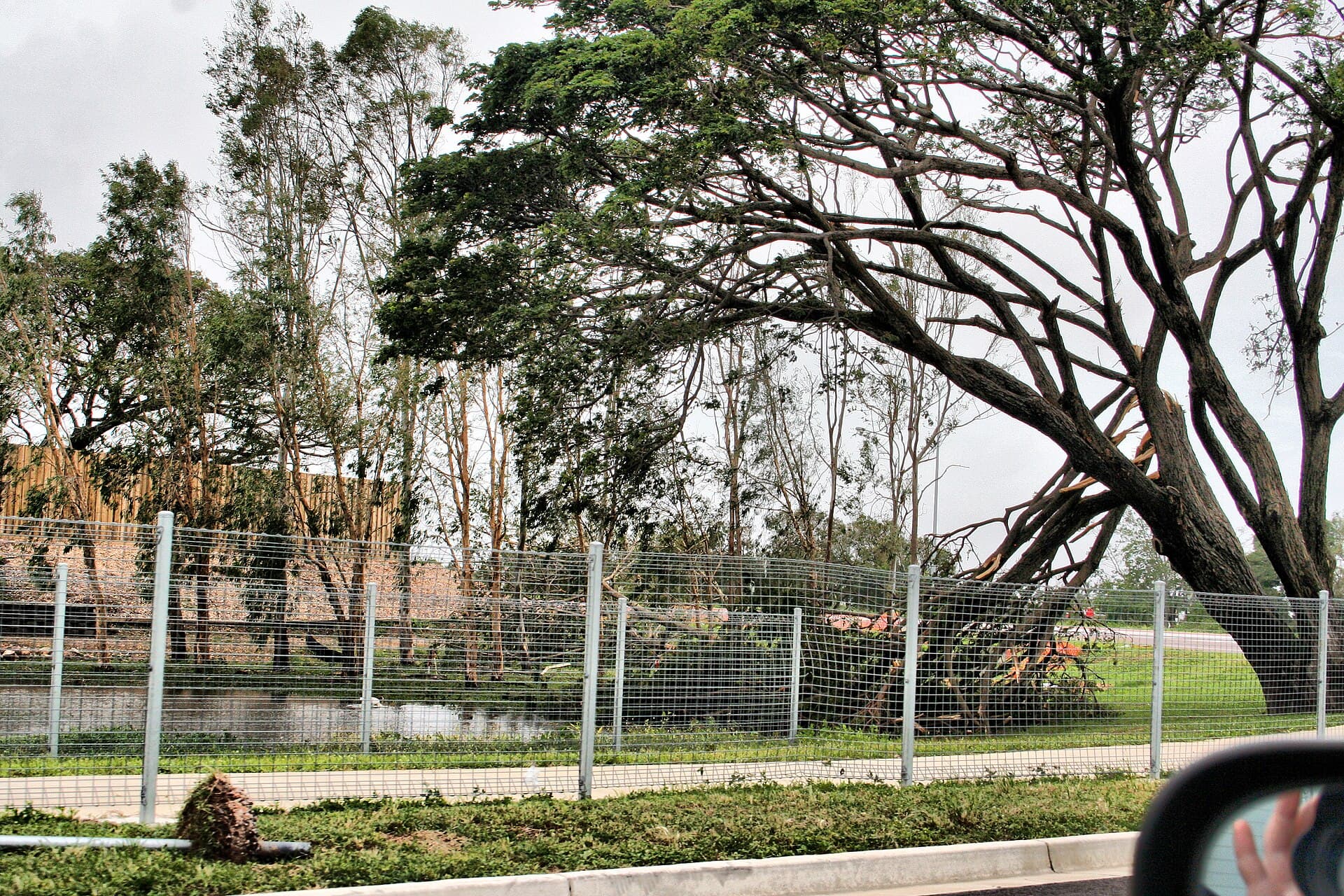
Driveway gates for suburban blocks — sliding, swing and automatic
How to choose a suburban driveway gate that still works after a storm — sliding versus swing, automation, safety beams, and the site details that decide the hardware.
Tom Laird · 18 September 2025
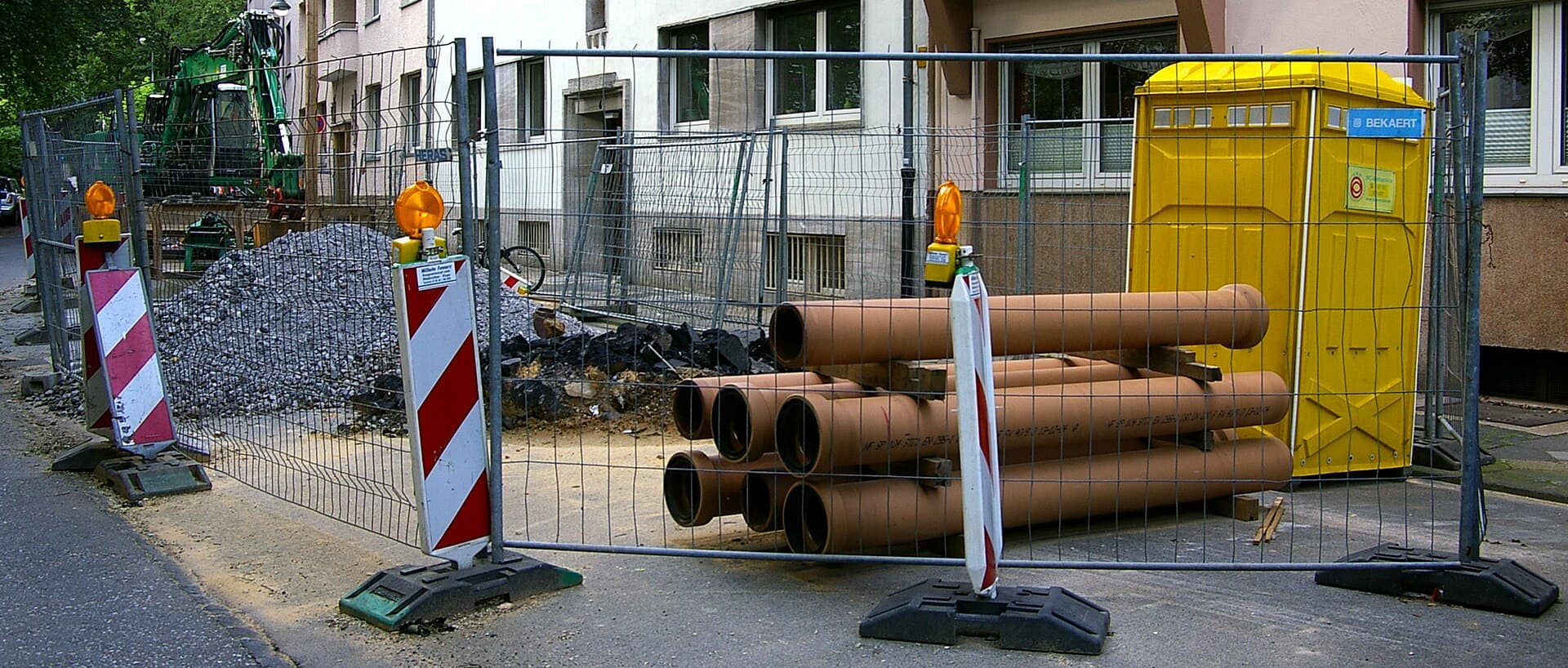
Temporary fencing on Australian building sites
How hoop-mesh hire fences actually work on suburban jobs — wind, shade cloth, pool-reno traps, and the difference between a site fence and a barrier that must still meet the rules.
Tom Laird · 3 September 2025

Fence maintenance through an Australian summer
A practical summer walk-down for Colourbond, paling and rural wire — washing, storm prep, clay after the first rain, and the repairs that stop a small fault becoming a rebuild.
Tom Laird · 6 August 2025