Temporary fencing on Australian building sites
How hoop-mesh hire fences actually work on suburban jobs — wind, shade cloth, pool-reno traps, and the difference between a site fence and a barrier that must still meet the rules.
By Tom Laird · 3 September 2025 · Updated 18 February 2026
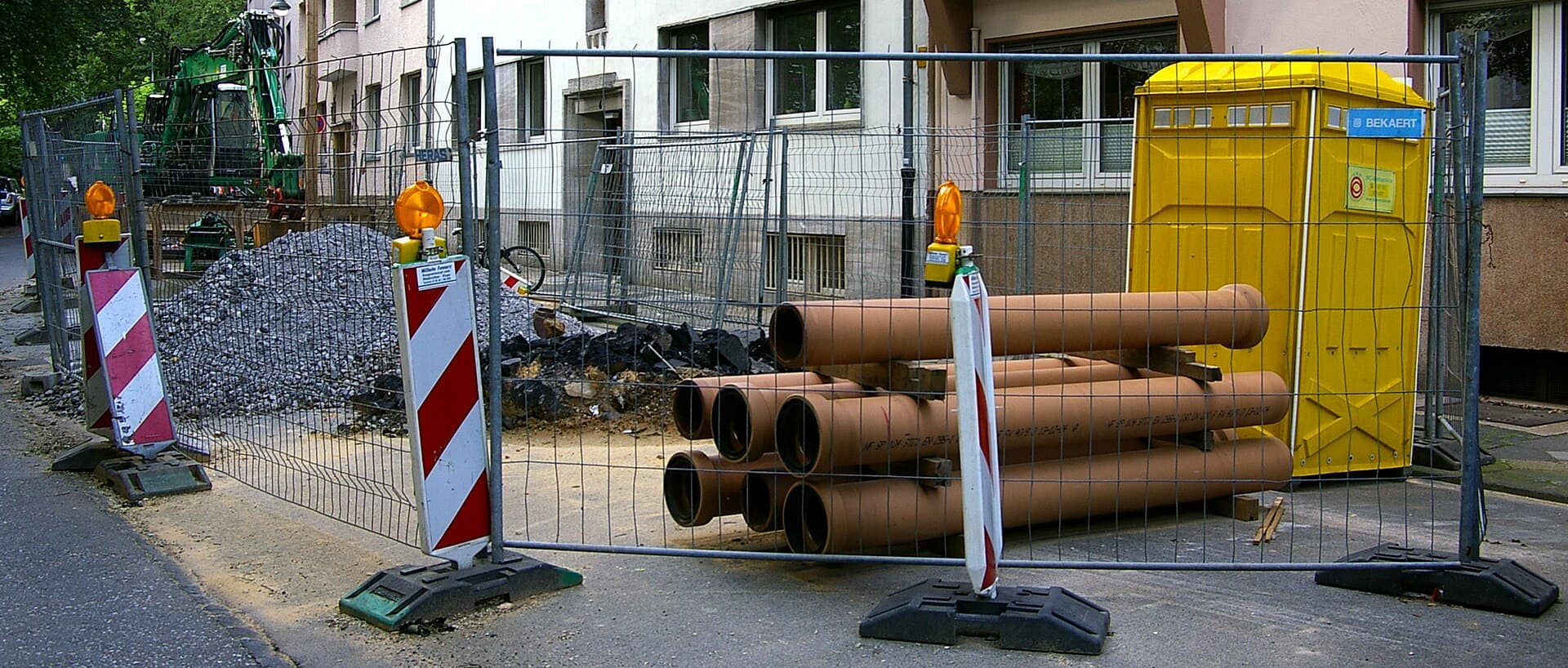
Temporary fencing is the unloved cousin of the boundary fence: ugly on purpose, hired by the fortnight, and asked to do a safety job for which nobody wants to pay extra. On Australian building sites that usually means hoop-top mesh panels, concrete feet, a few couplers, and a hope that the afternoon northerly has not read the hire agreement.
It is still a fence. It still falls over when the feet are wrong. It still creates a liability when it looks closed and is not. Treat it as part of install and maintain, not as furniture the builder’s labourer will “sort later”.
What temporary site fencing is for
The job is to keep the public out of a changing site, keep materials in, and give the crew a defined edge. On a suburban knockdown that means the footpath stays usable, the skip is not an adventure playground, and the neighbour’s dog does not inspect the slab.
It is not a substitute for a finished dividing fence, and it is not automatically a compliant pool barrier. Those are different products with different laws. If children and water are involved, stop and deal with the barrier properly; the pool fencing rules under AS 1926 are not paused because a renovator is on the tools.
Site fences also do not settle a boundary dispute. Standing hire panels on a guessed line while you argue about contribution is a good way to annoy everyone and still need a surveyor. If the permanent fence is the real project, read who pays for dividing fences and put the hire fence on the safe side of the argument.
Hoop mesh, feet and the bits that actually fail
The familiar panel is a welded mesh with a hoop or flat top, dropped into rubber or concrete bases, and joined with clips or couplers. Anti-climb mesh, pedestrian gates, vehicle gates and bracing kits are the usual extras. The panel is only as good as the foot and the brace.
Failures are boring and predictable. Too few feet on a slope. Couplers left loose so a panel walks. A gate that is used as a hinge for the whole line. Shade cloth or banner mesh added without extra mass. A forklift clip that becomes the only thing holding a corner. After a wind event, the line looks like a fallen display.
On sand and on freshly excavated ground the feet sink and the panels lean. Pack them, use larger bases, or brace to something that is allowed to be used as a brace — not the neighbour’s paling, and not a scaffold you do not control.
Do not cut panels to fit a fancy radius and then reuse them as if they were still rated. Hire yards notice; more importantly, a cut panel has a new sharp edge and a new weak axis.
Wind, shade cloth and summer storms
Mesh lets wind through until you dress it. Shade cloth, branding, dust screens and the tarp someone tied on at smoko all raise the load. Manufacturers and hire firms publish bracing advice for a reason. Extra blocks, stay kits, and shorter unbraced runs are cheaper than a panel in the street.
If a severe weather warning is up, walk the line the way you would walk a permanent fence before a northerly: close gates, drop cloth if instructed, check the corner that always moves. Coastal and ridgeline sites need more fence than a still cul-de-sac. Cyclone districts should not be improvising; use the hire spec that matches the region.
Heat makes plastic ties brittle and makes people prop gates open “for a breeze”. A propped gate is not a fence. Use a proper pedestrian gate and a closer, or accept that the site is open.
Hire versus buy, and what it tends to cost
Most house jobs should hire. You do not want to store dirty panels after the plasterer leaves. Buy-in makes sense for builders who fence a site every month and have somewhere to keep feet.
Hire rates move with city, duration and how tidy you return the gear. As a conservative picture, a suburban enclosure might be tens of dollars per panel per month rather than hundreds, plus delivery, gates, braces and a damage bill for the panel the excavator kissed. A two-week mini-job can look dear on a per-day basis because truck time does not shrink. Ask for a price on the metres and the weeks you actually need, including a second delivery if the footprint will change after the slab.
Compare that, loosely, with the fencing cost guide so you do not spend permanent-fence money on a hire line that will be gone in a month — and so you do not under-fence a nine-month build because the first quote was for a token frontage.
Read the hire contract for storm damage, buried feet and “customer must relocate”. Relocating a line because the plumber needs the sideway is ordinary. Pretending the hire firm will do it for free every Thursday is not.
Building-site manners, services and neighbours
Dial Before You Dig still applies when you drive star pickets to pin a temp line or when you excavate for a more permanent base. Temporary does not mean invisible to a gas main.
Keep a clear width on the footpath if that is the deal with council. Panels that creep onto the verge every Friday afternoon are how jobs get complaints. Light the gate if it is used after dark. Do not let a temp fence become the place you hang reinforcing mesh that then becomes a climb.
Tell the neighbour when the line will move. A hire fence that blocks their side gate for a week is a courtesy call, not a surprise. If their pool is near your demolition, the conversation is about their barrier remaining compliant while your site is a mess — again, that is a standard, not a vibe.
On rural and acreage builds, hoop mesh will not hold cattle. Use a rural temporary — electric tape, steel panels, something with a strainer — for stock, and hoop mesh for the public face at the road. Mixing those jobs is how a steer attends the slab inspection.
When the permanent fence goes in, take the hire line down in a planned sequence so the block is never wide open. The same preparation habits as a new fence apply: services, levels, the dog in the laundry. Keep the hire line on the safe side of the title until the new posts are in, then remove it in daylight with a second pair of hands on the gates.
A site fence is a temporary promise to the street. Keep the feet on the ground, the cloth honest in the wind, and the gate shut when the crew leaves. That is the whole standard most suburbs are actually asking for.
Frequently asked questions
Do I need temporary fencing for a house renovation?
Many councils and builders will want the site enclosed once demolition or public risk begins, and some contracts require it. A quiet internal refit may not. Ask the builder and the permit, not the hire yard, what “enclosed” means on your street.
Is shade cloth on temporary fence safe in the wind?
Shade cloth turns a mesh panel into a sail. Use rated cloth, extra blocks or braces, and take it down when a warning is current if the installer says so. More than one suburban panel has gone travelling because someone dressed a hire fence like a billboard.
Can temporary mesh be a pool fence during a reno?
Almost never as a casual swap. Pool barriers have their own standard and certification culture. A hoop-mesh hire panel is a site control, not an AS 1926 substitute, unless a competent person has designed and signed that specific arrangement. Do not leave a pool open to a building site because the palings came down on Monday.
Filed under Install and maintain. Corrections: contact the desk.
More in Install and maintain
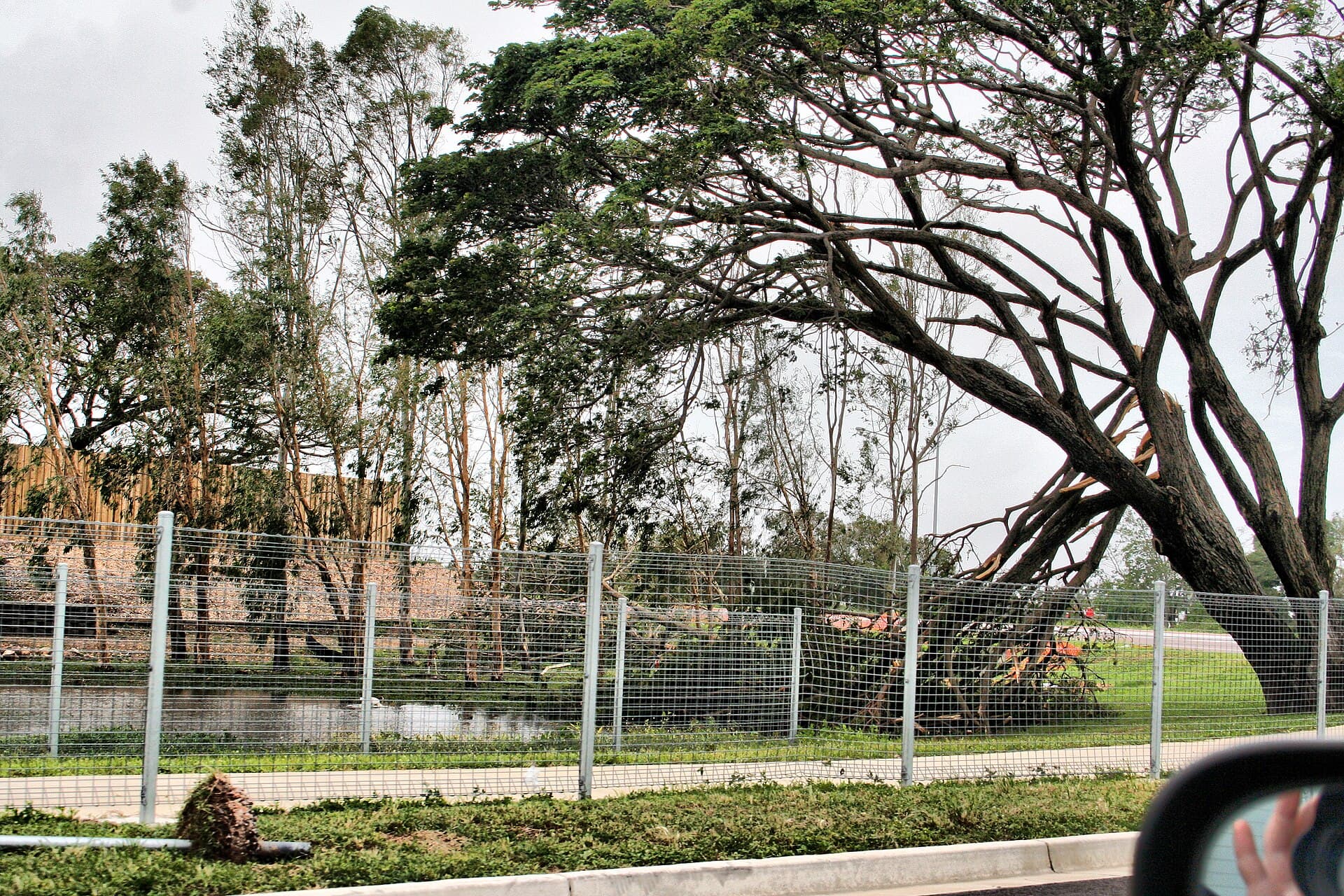
Driveway gates for suburban blocks — sliding, swing and automatic
How to choose a suburban driveway gate that still works after a storm — sliding versus swing, automation, safety beams, and the site details that decide the hardware.
Tom Laird · 18 September 2025

Fence maintenance through an Australian summer
A practical summer walk-down for Colourbond, paling and rural wire — washing, storm prep, clay after the first rain, and the repairs that stop a small fault becoming a rebuild.
Tom Laird · 6 August 2025
Choosing a fencing contractor — quotes, licences and what to compare
How to read a fencing quote in Australia, which licences actually matter, and the site questions that separate a proper crew from a cheap metre-rate.
Tom Laird · 31 March 2025