Fencing cost in Australia, a practical per-metre guide
What Australian homeowners actually pay for paling, COLORBOND, slat and masonry fences — per-metre ranges, extras that blow quotes, and how to compare like-for-like.
By Helen Crowe · 4 March 2025 · Updated 21 July 2026
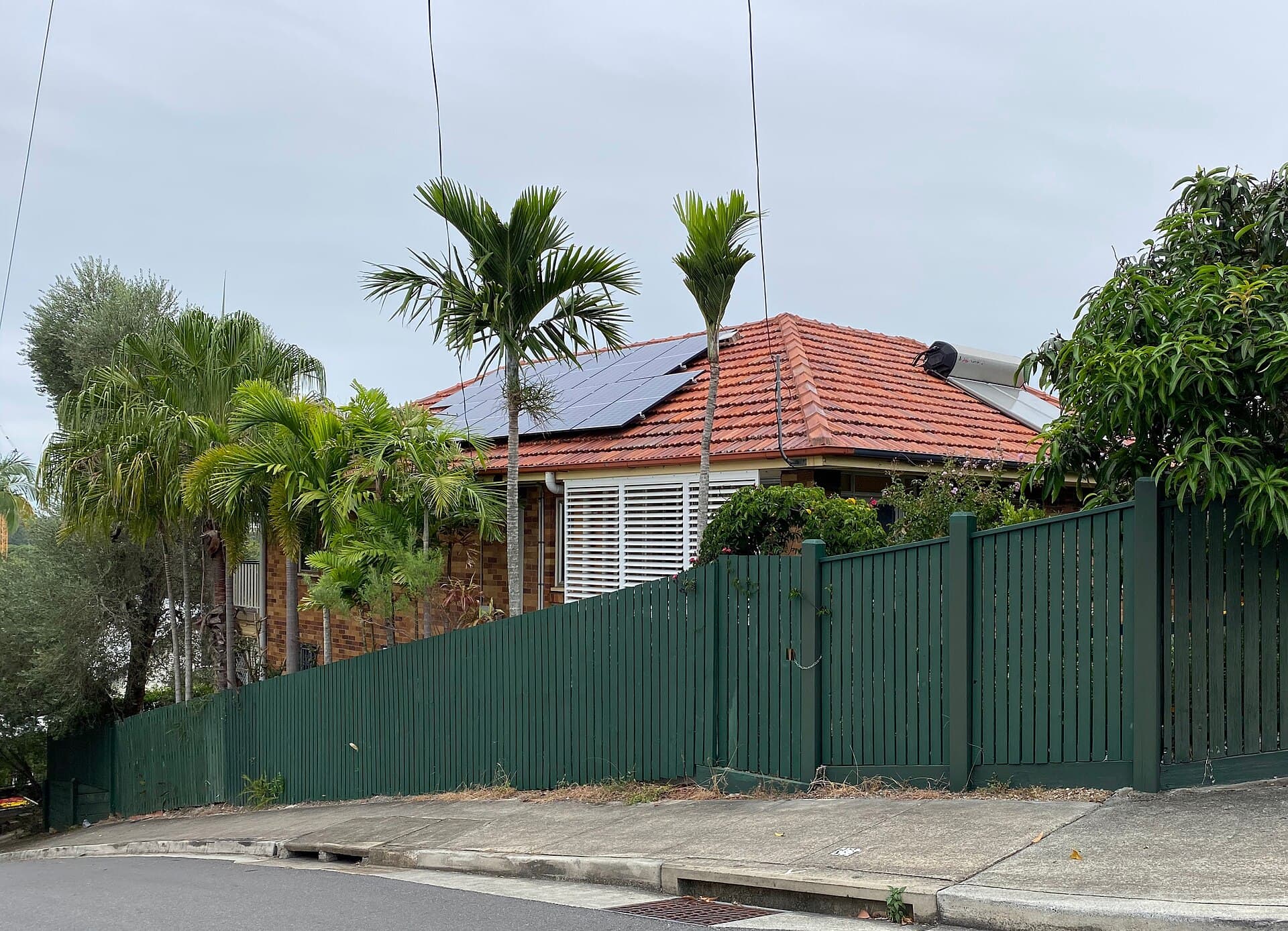
People ask for “the price of a fence” as if Australia had one fence. It does not. A 1.8 metre treated-pine paling on a level side boundary in a Brisbane backyard is a different job from a 2.1 metre COLORBOND® run on reactive clay in Melbourne’s west, and both are a different planet from a rendered block wall on a sloping street in Paddington. What you can usefully do is learn the shape of a quote — the metre rate, the extras, and the things installers quietly hope you will not notice.
Prices in this guide are ranges, not guarantees. They move with the city, the ground, the access, the height, the gates, and the week you ring. Use them to tell a serious quote from a hopeful one.
How much does a fence cost per metre in Australia?
Talk in installed metres, GST included if that is how the contractor bills, and always ask. Supply-only packs from a hardware barn are not a fence.
For a standard 1.8 metre suburban dividing fence on a reasonably clear, level site, many Australian households in the larger cities currently see installed ranges in this neighbourhood:
- Treated-pine paling: roughly $80 to $160 a metre
- COLORBOND® steel with a basic plinth: roughly $100 to $200 a metre
- Aluminium slat fencing: often $200 to $450 a metre, sometimes more for tight gaps and custom colours
- Rendered block or brick: commonly $400 to $900 a metre and up, because you are paying for a footing, not a panel
Those bands will look wrong on a particular street, and that is the point. A short 8-metre run in inner Sydney can cost more per metre than 40 metres in a new estate because the crew still has to arrive, set out and leave. A long, easy rural boundary is not cheaper if every post hole hits rock.
Hardwood palings, lapped-and-capped timber, 2.1 metre sheets, custom aluminium and anything that needs an engineer sit above the standard story. So does a front fence that has to please the council as well as the household.
What is included in a typical fencing quote?
A grown-up quote names the height, the material and colour, the post type, the rail or framing, the plinth or gravel board, the number and width of gates, and whether the old fence comes out. It should say who finds the boundary, who books the dial-before-you-dig, and what happens if the holes hit sandstone or an old sewer.
Things often not included unless they are written down: breaking out old concrete plinths, extra stepping or retaining, after-hours access, painting timber, a surveyor if the pegs have vanished, and council fees on a non-complying frontage.
COLORBOND® — a BlueScope trademark — should be quoted as the named finish and colour, not “colorbond-look”. A house-brand steel is a different product and a different warranty conversation.
Why ground, access and demolition change the price
The metre rate assumes a truck can park, a post-hole auger can spin, and the spoil has somewhere to go. That is not West End on a Tuesday, and it is not a rear lane in Newtown or Carlton with a skip that does not fit.
Ground. Sand is easy until the holes collapse. Reactive clay needs deeper, better concrete and still moves. Rock — ironstone in the Adelaide foothills, sandstone in Sydney’s north, basalt in parts of Melbourne and western Victoria — turns a half-day of holes into a week. Waterlogged ground in a wet Queensland summer is its own delay.
Access. No side gate, a pool in the way, or panels carried through a hallway all add labour.
Demolition. An old paling lifts out. A masonry dwarf wall or a steel fence with a continuous concrete plinth does not. Budget removal as its own line.
Services. Gas, NBN, stormwater and sewer love a boundary. Hitting one is not a variation you want after the quote was “the cheapest in the group chat”.
Gates, height and the extras that blow a budget
A walk gate is not “just another metre”. It is hardware, a latch that has to last, and time. A driveway gate — sliding, swinging, motorised — is a second job wearing a fence’s hat. If the same crew is doing both, make sure the quote says so.
Height is the other quiet multiplier. The Australian suburban default is 1.8 metres. Stepping up to 2.1 metres for backyard privacy means more sheet, more post, more wind load and sometimes a neighbour conversation. Lattice or slat extensions on an existing paling are cheaper than a full rebuild, and they look like what they are.
Other extras that are worth asking about by name: concrete plinth versus a steel plinth versus a hopeful gap above soil; colour on both sides; a trellis strip; capping; corner posts; raking versus stepping on a fall; and matching an existing COLORBOND® roof when the batch has moved on.
How to compare fencing quotes without getting stung
Ask three contractors who actually build the sort of fence you want. A masonry crew quoting steel, or a paling crew quoting slats, will either decline or guess. Then line the quotes up like a shopping docket:
- Same length, measured the same way (do not let one person measure the leaning old fence and another the survey).
- Same height and same number of gates.
- Same demolition and disposal.
- Named materials — COLORBOND® colour, timber species and treatment, aluminium powdercoat.
- Post centres, post size, and concrete. This is where cheap quotes go to hide.
- Time on site, and what weather does to the booking.
- Licence and insurance appropriate to your state. Start with choosing a fencing contractor if you do not know what to ask.
The lowest number is allowed to win only after those lines match. A $20-a-metre gap that evaporates when you add the plinth was never a gap.
Who pays for a dividing fence, and what is “sufficient”?
Cost is not only a contractor problem. On a side or rear boundary it is a neighbour problem. Each state and territory has dividing-fences laws. In plain English, owners usually share the reasonable cost of a sufficient fence — the ordinary fence for that kind of property, not the dearest option in the yard. If you want COLORBOND® in Monument and they are only obliged to help with a basic paling, the difference is generally yours unless they agree.
Give written notice. Keep the conversation about the line and the contribution, not about the dog. The longer legal walk-through is in who pays for a dividing fence. Do not start demolition because you are “pretty sure they said yes on the nature strip”.
Front fences are different again. You are usually paying the whole lot, and the council may care about height and openness even when the neighbour does not.
A sensible way to budget the whole job
Add a contingency. Ten to fifteen per cent is not pessimism on a suburban block with an old fence and no visible pegs. If the site is sloped, coastal, or built like a terrace, think higher.
A COLORBOND versus timber paling choice changes maintenance as well as the invoice. Cheap pine that needs replacing in a decade was not cheap.
Walk the line with the person who will build it. Point at the lean, the tree, the meter box, the gate that has to clear the bins. A quote written from a phone photo is a guess with a letterhead.
Frequently asked questions
How much does a fence cost per metre in Australia?
There is no single figure. For a standard 1.8 metre suburban dividing fence, many households see installed ranges around $80 to $160 a metre for treated-pine paling and $100 to $200 a metre for COLORBOND®. Aluminium slats and masonry sit well above that. City, ground, access, height and demolition all move the number, so treat any figure as a range.
Why are two quotes for the same fence so far apart?
They are rarely quoting the same fence. One includes a concrete plinth, gates and old-footing removal; the other is a metre rate for new sheet on a clear site. Align height, materials, gates, demolition, post details and GST before you decide anyone is expensive.
Who pays for a dividing fence?
Adjoining owners usually share the cost of a sufficient dividing fence under the dividing-fences laws of each state and territory. If you want a more expensive style than that sufficient fence, you should expect to pay the extra unless the neighbour agrees. Written notice first, concrete later.
Filed under Residential fencing. Corrections: contact the desk.
More in Residential fencing
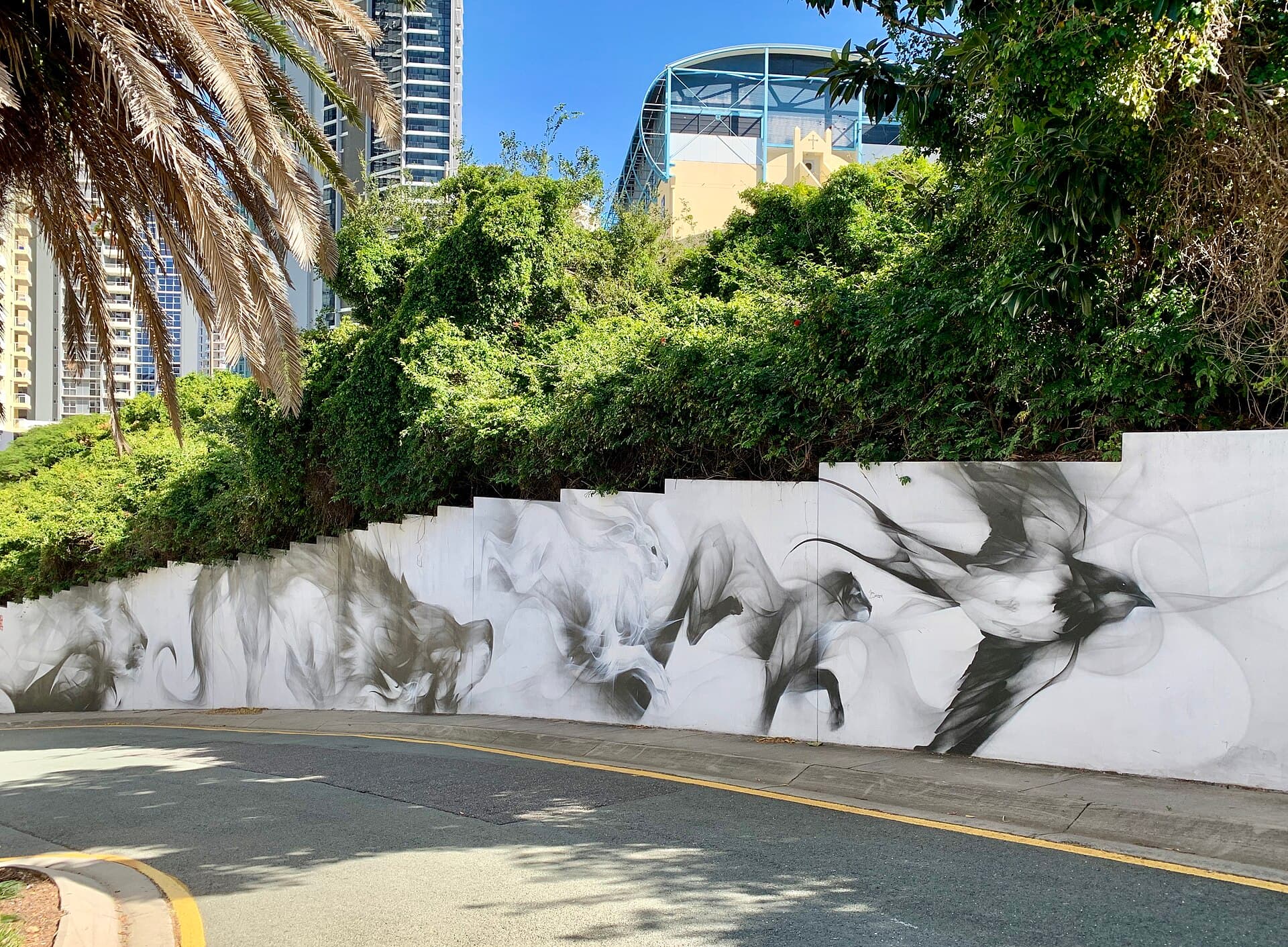
Privacy fencing for suburban Australian backyards
How to get real backyard privacy in Australian suburbs without a neighbour war — height, screening, 2.1-metre fences, and materials that actually block the sightline.
Helen Crowe · 8 May 2025
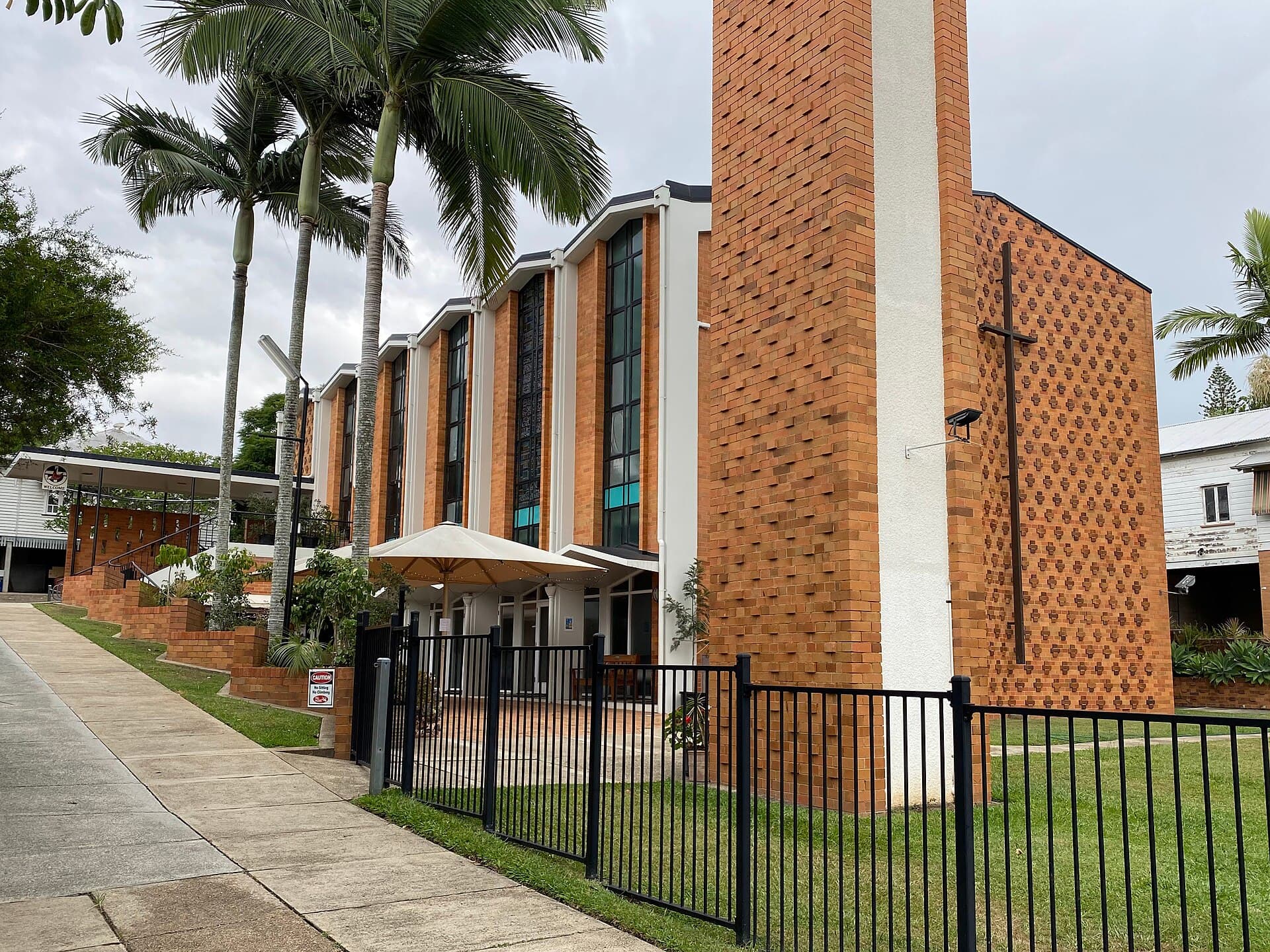
Front fence ideas for Australian homes
Front fence ideas that work on Australian streets — pickets, steel, masonry and slats — plus the council height and character rules that quietly decide the job.
Helen Crowe · 16 April 2025
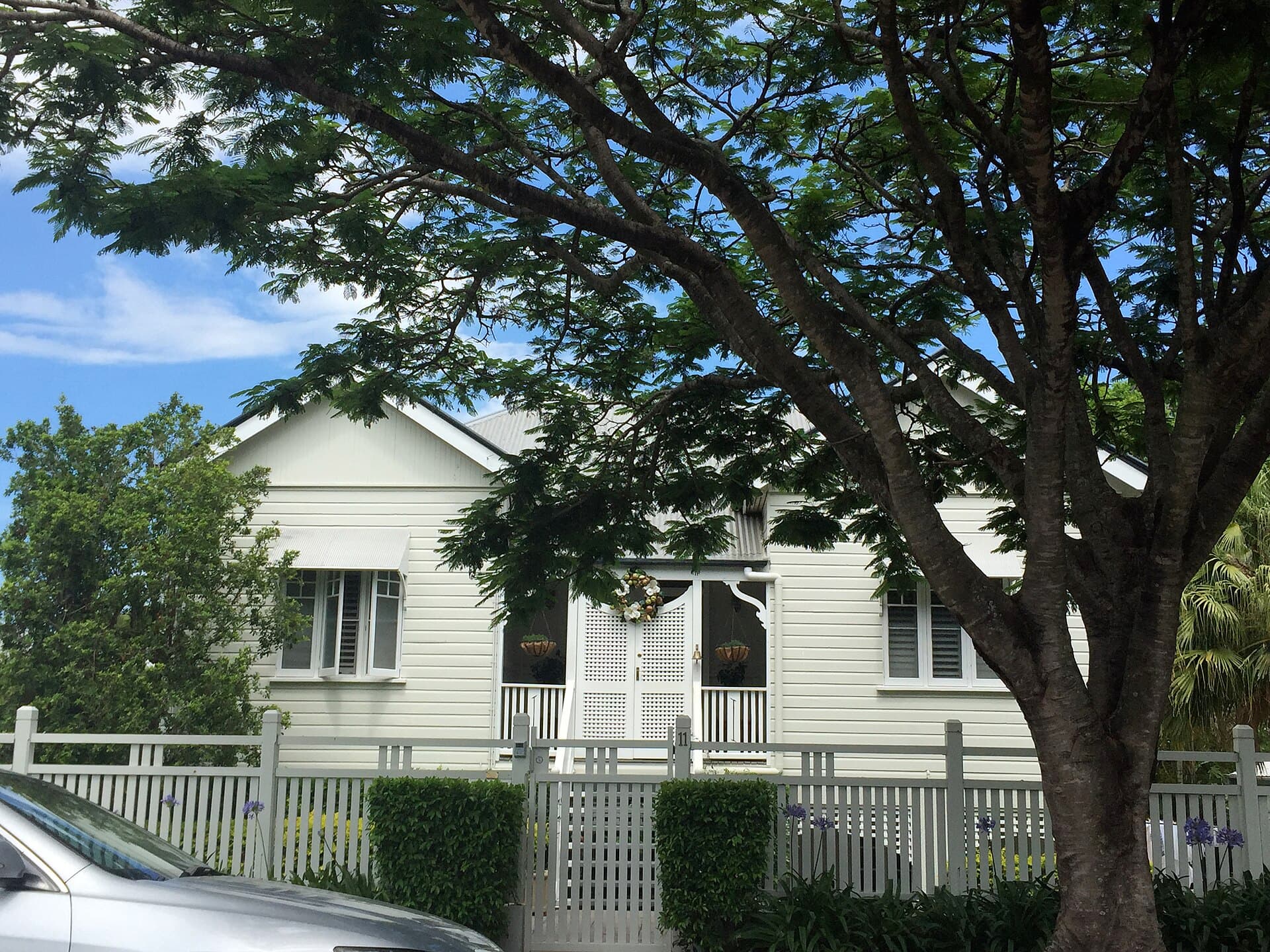
COLORBOND versus timber paling fence in Australia
A practical comparison of COLORBOND steel and timber paling for Australian boundary fences — cost, lifespan, neighbours, climate and when each material earns its keep.
Helen Crowe · 11 February 2025