Dividing fences law in Australia — who pays, and how the notice works
Neighbours usually share a sufficient dividing fence. A careful, state-aware briefing on fencing notices, contribution, and the jobs a fence is not — pool barriers, retaining walls, heritage fronts — without pretending this is legal advice.
By Priya Nair · 30 January 2025 · Updated 1 September 2026

Australian suburbs run on a quiet agreement: the thing between two backyards is a shared object. The dividing-fences Acts — every state and territory has one, under a title that usually includes the words “dividing fences” or “neighbourhood disputes” — turn that agreement into a procedure. Neighbours share the cost of a sufficient fence. The person who wants more than sufficient generally pays for the more. If they cannot agree, there is a notice, a waiting period, and a tribunal.
That is the map. The terrain is local. What is sufficient in a Paddington terrace lane is not sufficient on a Toowoomba acreage. A council overlay can forbid the material you both like. A pool on one side can turn a paling into a barrier. This journal is a briefing, not legal advice. Read the Act that applies to your boundary, and the council rules that sit on top of it, before you order palings.
What a sufficient dividing fence is
“Sufficient” is a locality word. Tribunals look at the existing fence, the character of the street, the way the land is used, and what a reasonable owner in that place would build. In much of suburban Australia that still means a 1.8-metre timber paling or a COLORBOND® steel fence — COLORBOND® being BlueScope’s trademark — of a similar height. In a rural setting it may mean a stock-proof wire fence. In a heritage street it may mean a low timber picket that would be hopeless as backyard privacy.
Sufficient is not “whatever I saw on Instagram”. It is also not “whatever is cheapest this week”. A fence that will not stand up to the prevailing wind, or that is already leaning, is not sufficient merely because it is still attached to two posts. If you are replacing a failure, you are usually replacing it with something the locality can recognise.
If you want privacy well beyond the neighbourhood pattern, or a designer front that the overlay never contemplated, expect to fund the extra yourself. The Act is not a vehicle for making next door pay for your taste.
Who pays — the ordinary split and the exceptions
The ordinary split is half and half of a sufficient fence, including reasonable labour and the ordinary extras: removal of the old fence, concrete for posts, a gate if the old fence had a gate in that place. Quotes should be itemised. A single cash figure is how arguments start.
Exceptions are where the journalism gets useful.
If you want a higher fence, a dearer material, or a colour the neighbour refuses, you generally pay the difference between sufficient and desired. If the old fence was damaged by one household’s tree, excavation or vehicle, contribution can shift toward the household that caused the damage — that is a facts argument, not a slogan. If one owner has already built a substantial fence the other now enjoys, the tribunal may treat history as relevant. If the land is vacant on one side, some Acts still allow a notice; the vacant owner still has a mailbox, even if it is a solicitor’s.
Pool barriers are the exception that most surprises people. A sufficient fence is not automatically a barrier. The extra detailing, the certified gate, the inspection — in ordinary New South Wales swimming-pool practice and in Queensland’s user-pays approach, including Form 39 notices — sit with the pool owner. A wall that holds earth is not a fence either, even if a paling sits on top of it.
Do not rely on a Facebook rule about “the person who wants it pays the lot”. That is sometimes true of upgrades. It is not the starting rule for a sufficient fence that both households need.
Fencing notices, timeframes and tribunals
If you want contribution, you serve a fencing notice. Each Act describes the contents: the boundary, the proposed fence, the cost, the proposed split, and a period for reply. Some states publish a form. Others let you write a letter that covers the same ground. Use the published form where it exists. Serve it the way the Act says — often in person, by post, or both — and keep a copy.
A text message that says “going halves on colorbond next month?” is neighbourly. It is not a notice. If the relationship is good, the text can come first and the notice second, as a record. If the relationship is poor, the notice comes first and the tone stays flat.
Timeframes differ. Do not start demolition on day three because you are “pretty sure they agree”. If they agree, get the agreement in writing: height, material, colour, cost, start date, who is hiring the contractor. If they do not agree, the Act will tell you how long you wait and which tribunal or court you file with. In Queensland that conversation often lives under the neighbourhood-disputes framework; in New South Wales, Victoria and the other states the titles differ and the idea is the same.
Tribunals like documents. Bring two quotes, photographs of the existing fence, a marked plan, and a note of what you offered. Do not bring a speech about the neighbour’s dog. If the line itself is in doubt, stop and read our piece on surveys and encroachment before you pour concrete.
Working with cost, contractors and the council
Price the sufficient fence against a real market, not a memory of 2019. Our fencing-cost guide is a briefing on ranges; your quotes are the evidence. Choose a contractor who will show licences and insurance and who will speak to both households if both are paying. A builder who will only deal with “the client” on a shared fence is already picking a side.
Council sits above the Act whenever a frontage, a height, a heritage overlay or a bushfire overlay is involved. A sufficient backyard paling can be an unlawful front fence. Check the planning scheme before the notice, not after the posts are in. Water, gas and electrical services sit below the Act in a more literal sense. Locate them.
If you are also building a pool, do not fold the barrier into a vague “new fence” notice. Split the job on paper. If you are also holding a cut in the land, do not call a retaining wall a fence. Precision at the start is cheaper than a directions hearing.
The rest of our neighbours-law writing is about the fights that start when this simple split is ignored. Use the Act. Use the notice. Stay boring. Most fences, historically, were built by people who still spoke over them.
Frequently asked questions
Who pays for a dividing fence in Australia?
As a rule, adjoining owners share the cost of a sufficient dividing fence. If you want something well above what the locality treats as sufficient — taller, dearer, a different material — you usually pay the difference. Pool-barrier upgrades are generally a pool-owner cost. Retaining walls are generally not fences. Confirm the split in your state Act and in any written agreement before work starts.
What is a fencing notice?
It is the formal letter or approved form your state Act requires before you can compel contribution. It describes the fence, the line, the cost and the proposed split, and it starts a clock. Informal texts and conversations help the relationship; they do not replace the notice if you later need a tribunal. Use the current published form where your state offers one, and serve it the way the Act describes.
Can I replace a fence without telling my neighbour?
You can sometimes repair an urgent failure at your own risk, and you can usually build a fence wholly on your land at your own cost. If you want the neighbour to pay, or you intend to take down a shared fence on the common boundary, use the notice the Act describes. Surprise demolitions are how ordinary jobs become disputes, and they can leave you paying for a fence the tribunal later calls the wrong fence.
Filed under Neighbours and the law. Corrections: contact the desk.
More in Neighbours and the law

Heritage and character fencing in older Australian suburbs
Front fences in heritage streets and character overlays are a planning problem before they are a fencing problem. A practical briefing on pickets, height, COLORBOND®, and how to talk to council without inventing a DCP clause.
Priya Nair · 28 August 2025
Retaining walls versus fences — who pays when the land has been cut
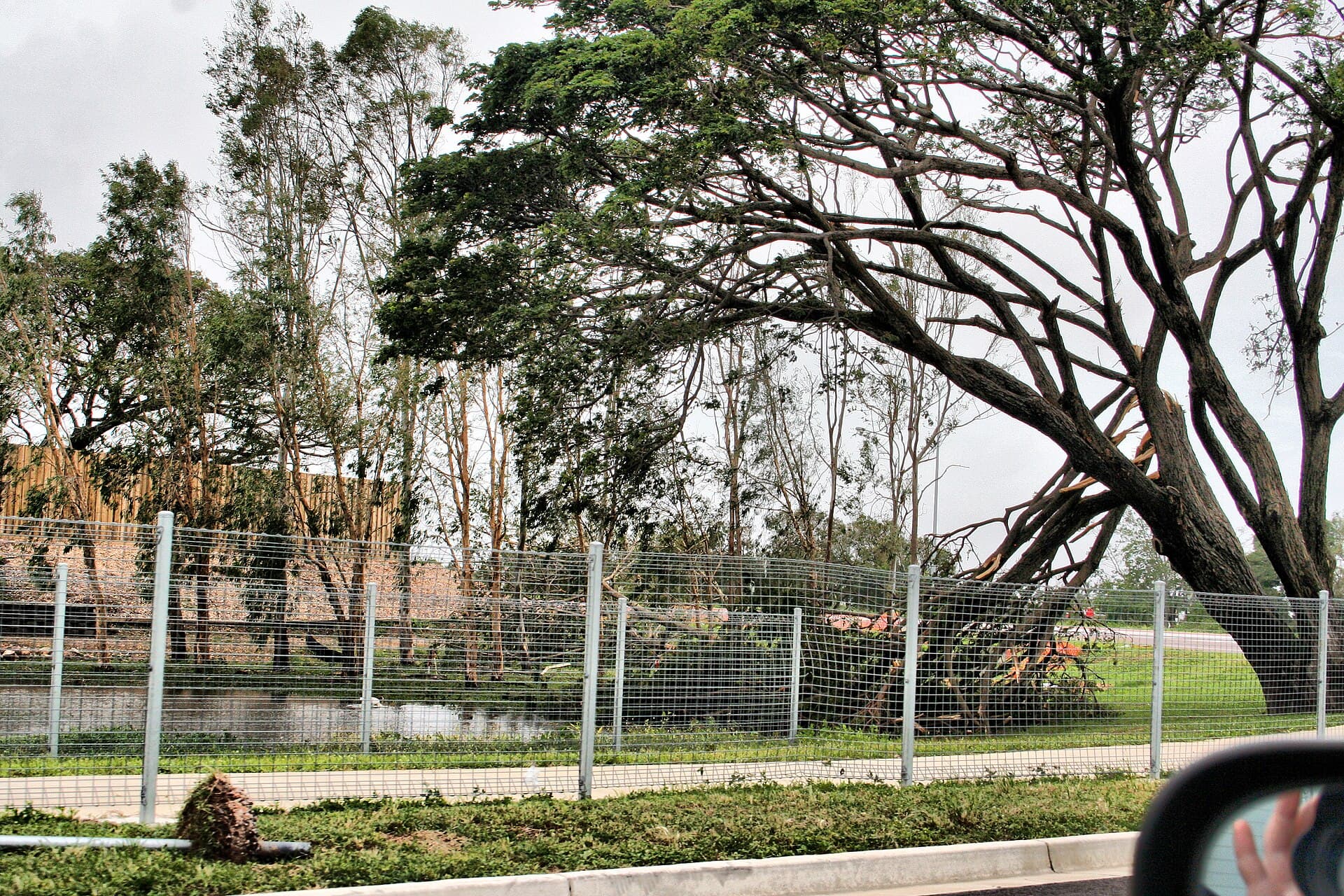
A retaining wall holds earth. A dividing fence holds a conversation. When the two are stacked on one boundary, cost, engineering and notices split. A conservative Australian briefing, including storm damage.
Priya Nair · 17 July 2025

Boundary fence disputes — surveys, encroachment and the line you thought you owned
When the posts do not match the title, stop building. A practical Australian briefing on identification surveys, encroachment, fence lines that have “always been there”, and how to keep a dispute from outrunning the land.
Priya Nair · 27 March 2025