Dividing fences that double as pool barriers in Queensland and New South Wales
When a neighbour fence is also the pool fence, cost-sharing changes. A conservative reading of “sufficient” versus barrier, NSW swimming-pool practice, and Queensland’s user-pays approach including Form 39 notices.
By Priya Nair · 9 June 2025 · Updated 3 May 2026
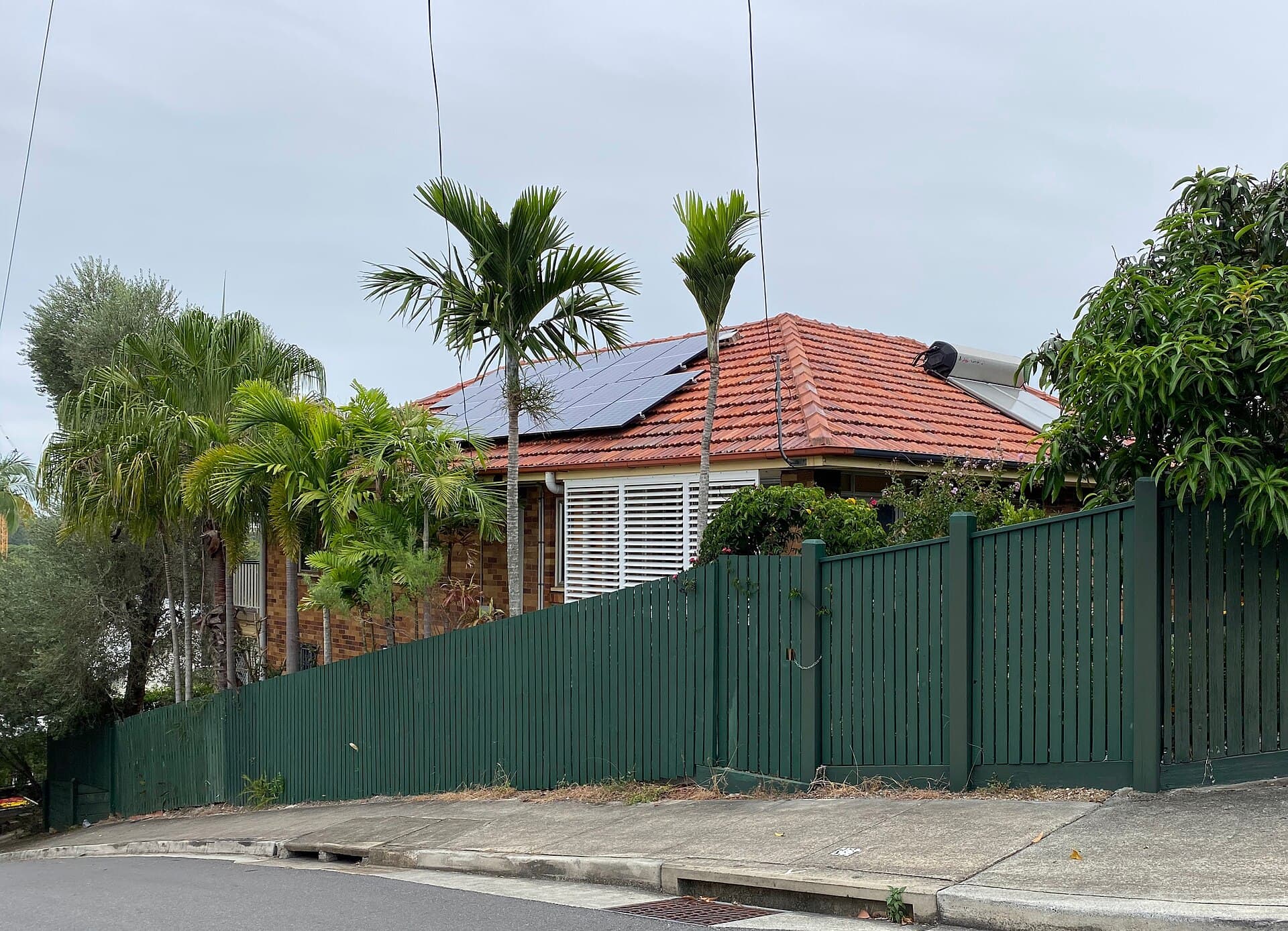
A paling line in West End or a COLORBOND® run — COLORBOND® is a BlueScope trademark — in Blacktown is, most weeks, a conversation about privacy and paint. Add a pool on one side and the same posts become a conversation about two different laws at once. Dividing-fences legislation cares about a sufficient fence and about how neighbours share it. Swimming-pool legislation cares about a barrier that a child cannot defeat. When one structure is asked to be both, the extra work has a usual payer: the pool owner.
That is the conservative briefing. It is not legal advice. Queensland and New South Wales publish their own Acts, forms and practice notes, and councils apply them with local habits. Read those documents before you serve anything. Then write to next door as if you will still be borrowing the bin.
Sufficient fence versus pool barrier
A sufficient dividing fence is the fence the locality reasonably expects. In a suburban backyard that might be a 1.8-metre paling or a COLORBOND® steel fence. On a rural acreage it might be stock wire. The dividing-fences Acts — each state has its own — generally expect neighbours to share the cost of that sufficient fence when one is needed, and they set out notices, timeframes and a path to a tribunal if the conversation fails.
A pool barrier is a different object. AS 1926.1 wants about 1200 millimetres of effective height on the approach side, openings no more than 100 millimetres, a non-climbable outside face, and a gate that opens outwards and self-closes and self-latches, with the latch about 1500 millimetres high or shielded. A sufficient paling with horizontal rails on the neighbour’s side, or a steel fence with a hip-height side gate, can be a perfectly good dividing fence and a failed barrier.
The useful habit is to split the quote. Line one is the sufficient fence both households would need if there were no water. Line two is the extra height, the blank face, the certified gate, the inspection. Line one is the shared conversation. Line two is, in ordinary practice, yours if you own the pool.
New South Wales — swimming-pool practice and the neighbour
New South Wales registers pools and expects a current certificate of compliance. The Swimming Pools Act is the statute inspectors and councils work under; dividing fences are a separate Act. Practice in New South Wales has been consistent on the money: neighbours can be asked to contribute to a sufficient dividing fence, and the pool owner pays the additional cost of bringing that fence up to barrier standard.
Do not invent clause numbers from memory. Do serve a proper fencing notice if you want a contribution, and attach a quote that a neighbour can read without a lawyer. If the existing fence is already sufficient and you are the one who needs it to become a barrier, expect to fund the upgrade. If the existing fence is failing as a fence — lean, rot, missing palings — you may be sharing a replacement as a fence, then paying extra as a barrier. Those are different sentences. Write them that way.
Sydney councils, and regional councils, will still want the pool registered and the barrier certified. A neighbour’s refusal to contribute is not a reason to leave a non-compliant gate on the line. If the relationship is poor, the clean option is often a new barrier inside your boundary, leaving the dividing fence as a dividing fence. You lose a strip of garden. You gain a certificate you control.
Queensland — user-pays and Form 39 notices
Queensland’s pool-safety system is built around certificates and licensed inspectors. Its dividing-fence system is built around notices. When the two meet, Queensland’s working rule is user-pays: the person who needs the fence to do pool work pays for the pool work. The neighbour may still share a sufficient fence. They are not, in ordinary practice, buying your certificate.
Form 39 is the notice Queensland uses in this overlap. It is how a pool owner puts the neighbour on paper when a dividing fence is also proposed as a barrier. The form sits beside the ordinary fencing notice, not in place of it. Use the current form from the Queensland authority that issues it. Forum PDFs go stale. Fill it as if a magistrate will read it later — dates, descriptions, quotes, a clear split between sufficient fence and barrier upgrade.
A Form 39 is not a threat. It is stationery. Serve it the way the Act tells you to serve it. Give the neighbour the time the Act gives them. If they agree to a sufficient fence in a colour they like, and you pay the extra to make it non-climbable, you have a working Australian compromise.
Queensland inspectors will still look over the fence. The non-climbable zone does not stop at the title. If next door has a raised garden against the palings, your Form 39 will not save the certificate. Either the object moves, or the barrier does.
How to talk to the neighbour before the forms
Start with a conversation, then confirm in writing. Show the split quote. Show a photograph of the climbable side. Offer a colour from a range they can live with if they are sharing the sufficient fence — our notes on COLORBOND® colours and profiles and on COLORBOND® used as a pool barrier are useful attachments. Do not surprise them with a demolition.
If they want a higher privacy fence than a barrier requires, that extra privacy is a separate appetite. Sometimes they will pay for the extra height. Sometimes they will not. Neither outcome changes your duty to present a compliant barrier to an inspector.
If you cannot agree, each state has a tribunal pathway for dividing-fence disputes. Pool safety does not wait for that pathway. You may need to build a compliant barrier on your land first, then argue about the old dividing fence at a quieter tempo. That feels like paying twice. It is still cheaper than a drowning, and cheaper than listing a house that cannot sell because the certificate is missing.
Other states follow the same logic even when the stationery differs: share the sufficient fence, user-pays for the barrier. Always check the local Act. Our neighbours-law journal and the longer piece on who pays for a dividing fence cover the fence without the water. This piece is only about the overlap.
Keep the tone boring. Boring is how good fences get built.
Frequently asked questions
Does my neighbour have to pay for a pool-standard dividing fence?
Usually they share only a sufficient dividing fence. The pool owner generally pays the extra cost of making that fence a compliant barrier. That is the ordinary pattern in New South Wales swimming-pool practice and in Queensland’s user-pays approach, including Form 39 notices. “Ordinary pattern” is not a court order. Read the Acts, serve the right notice, and keep the quote in two lines so a tribunal could follow it.
What is a Form 39 in Queensland?
It is the notice Queensland uses when a dividing fence is also being asked to work as a pool barrier. It sits beside the ordinary fencing notice and is how the pool owner puts contribution and the extra barrier work on paper. Use the current form from the Queensland authority, served the way the Act requires. A Form 39 does not make the neighbour responsible for your certificate, and it does not excuse a climbable object on their side of the line.
Can I put the pool fence on my side instead of using the boundary?
Yes, and it is often the quieter option. A barrier wholly on your land is yours to specify, maintain and certify. You still need AS 1926.1 geometry — height, gaps, outward-opening self-closing gate, latch height or shielding, non-climbable zone — and a current pool-safety or compliance certificate. You will lose some width. Talk to the neighbour anyway. They will live with the look, and they may still share a simpler dividing fence on the title line.
Filed under Pool barriers. Corrections: contact the desk.
More in Pool barriers

Why Australian pool gates fail inspection — closers, latches and height
Inspectors start at the gate. A practical walk through self-closing, self-latching, outward swing, latch height and the gaps that open after a wet winter — and how to fix them before a reinspection.
Priya Nair · 21 May 2025
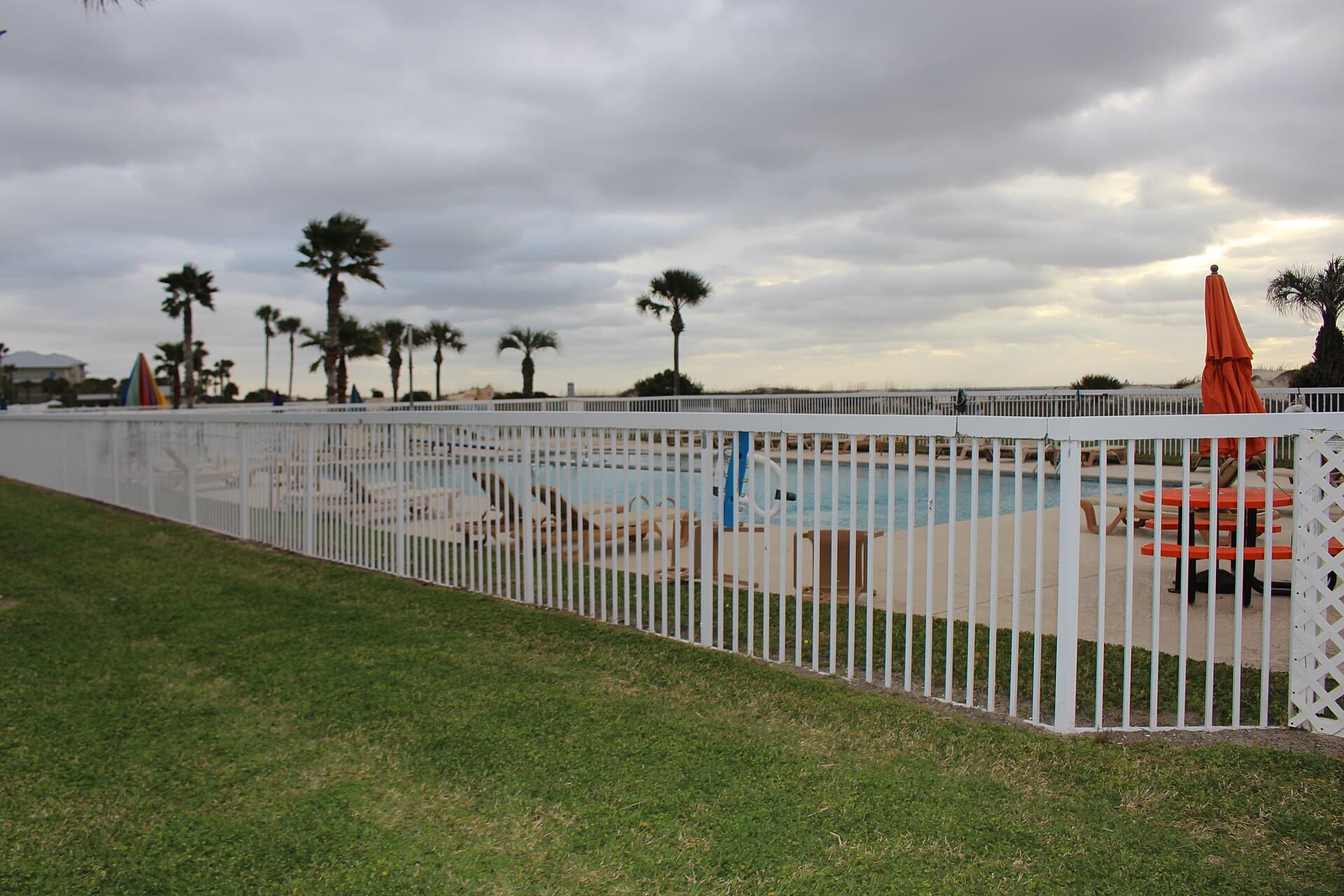
Glass pool fencing in Australia — cost, frameless detailing and inspection
What frameless and semi-frameless glass pool fences actually cost to own, why hardware and gates decide the quote, and how to get a glass barrier through an Australian inspection without treating the brochure as a certificate.
Priya Nair · 2 April 2025
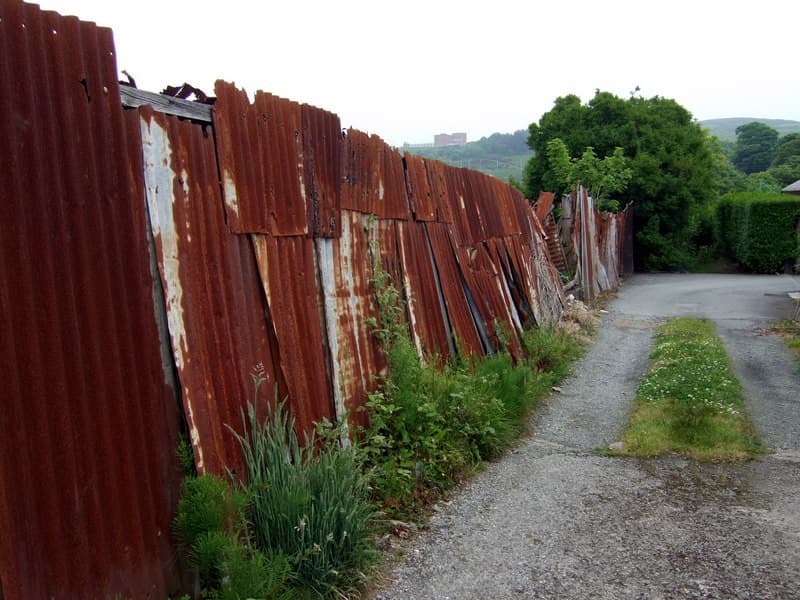
When a COLORBOND® boundary fence is also the pool barrier
A COLORBOND® steel dividing fence can serve as a pool barrier, but only if height, gaps and the non-climbable zone still work on the neighbour’s side. A conservative guide to profiles, footholds and who pays for the upgrade.
Priya Nair · 18 March 2025