When a COLORBOND® boundary fence is also the pool barrier
A COLORBOND® steel dividing fence can serve as a pool barrier, but only if height, gaps and the non-climbable zone still work on the neighbour’s side. A conservative guide to profiles, footholds and who pays for the upgrade.
By Priya Nair · 18 March 2025 · Updated 7 July 2026
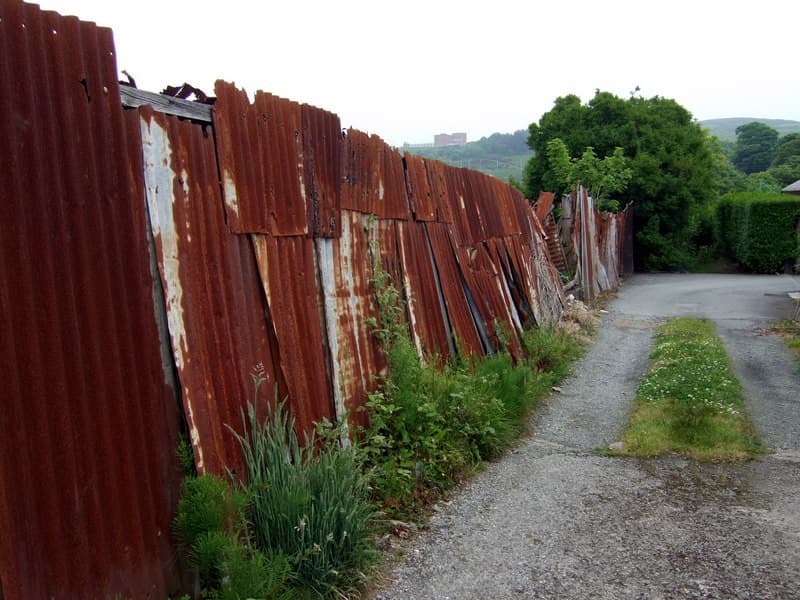
COLORBOND® steel fencing — a BlueScope trademark, and the sheet most Australian suburbs now mean when they say “colorbond” — is a very good neighbour fence. It is also a very easy fence to mis-use as a pool barrier. The two jobs look similar from the patio. They are not.
A dividing fence has to be sufficient for the locality: tall enough for privacy, stout enough for the wind, polite enough that both owners can live with the colour. A pool barrier has to defeat a child. If you ask one run of steel to do both, you inherit the stricter geometry — the height, gaps, gates and non-climbable zone in AS 1926.1 — and you inherit it on both sides of the posts.
This is not legal advice. Read the swimming-pool Act and the dividing-fences Act that apply in your state, then walk the line with a tape before you treat last decade’s boundary fence as certified.
Can a COLORBOND® boundary fence be a pool barrier?
Yes, in principle. Steel sheet on steel posts can meet the Standard. Plenty of certified barriers in new estates are exactly that: a 1.8-metre or 2.1-metre COLORBOND® run along the side boundary, detailed so the outside face is blank, the bottom gap stays tight, and the only opening is a proper pool gate that swings away from the water.
The failures are specific. The existing fence was ordered as a privacy screen, not a barrier. The profile has horizontal ribs a child can toe into. The panels step down a slope and leave a triangular gap at the bottom. The neighbour has built a BBQ bench, a cubby, or a raised garden against the far side. The side gate that everyone uses to put the bins out is a light latch at hip height. None of those problems are visible in a brochure photograph taken from the pool.
If you are still choosing between steel and timber for the rest of the block, our comparison of COLORBOND® and timber paling is about durability and look. For the pool length, start with compliance and work backwards to colour.
Non-climbable zone on a COLORBOND® fence
The non-climbable zone is the reason steel fences fail as barriers more often than homeowners expect. AS 1926.1 asks for a clear volume on the outside of the barrier so that the fence cannot be used as a ladder. Horizontal features on the sheet, exposed rails, capping that offers a handhold in the wrong place, and anything placed against the fence — pots, heat pumps, stacked pavers, the neighbour’s bench — can occupy that zone.
COLORBOND® fencing is sold in several profiles. Some present a relatively closed, vertical face. Others show corrugations or stepped folds. A rib that looks decorative from the street can be a foothold at toddler scale. Ask the supplier, in writing, which face is intended to be non-climbable and whether the nominated profile has been used as a certified barrier. Then look at the neighbour’s face, not yours. The approach side for a boundary barrier is often next door.
You cannot control every object on the other side of the line. You can notice them. A polite letter beats a failed certificate. If the neighbour’s structure is permanent, you may need to pull the barrier inside your own land and leave the dividing fence as a dividing fence. That is more expensive than a colour upgrade, and cheaper than an argument after a child has been in the water.
Keep the inside face honest as well. Filters, chlorinators, stacked floaties and outdoor kitchens migrate toward the fence because that is where the power and the shade are. Give them their own pad, away from the sheet.
Height, gaps and sloped steel runs
The Standard’s working height for a typical outdoor barrier is about 1200 millimetres. Most COLORBOND® boundary fences are taller than that — 1.8 metres is common — so height is rarely the problem on flat ground. It becomes the problem on a cut-and-fill block, where the neighbour’s finished level is higher than yours. Measure on the high side. A 1.8-metre panel measured from your lawn can be a 1.1-metre panel from theirs.
Openings must stay no more than 100 millimetres. On steel, the usual offenders are the gap under the sheet after the ground has moved, the gap beside a post where a panel was cut short, and the triangular hole under a stepped run. Stepping looks neat. It is also how barriers leak. Raking the sheet to follow the slope, or adding a purpose-made plinth, is slower and usually safer.
Gates in a steel run have the same duties as gates in glass: they open outwards, they self-close and self-latch, and the latch sits at about 1500 millimetres or is shielded. A standard side-gate latch at 1200 millimetres, the sort that came with the house, is not a pool latch. If that gate is part of the barrier, rebuild it as one.
Neighbour-side objects and shared costs
A COLORBOND® fence is often a shared thing. Under ordinary dividing-fences practice, neighbours share the cost of a sufficient fence for the locality. A sufficient fence in a suburban backyard is not automatically a pool barrier. The extra height, the non-climbable detailing, the certified gate, the inspection — those are, in ordinary practice, a pool-owner cost. New South Wales swimming-pool practice follows that pattern. Queensland’s user-pays approach, including Form 39 notices, says the same in different stationery.
Do not surprise next door with a crane and a new colour. Serve the notice your state Act requires, attach a clear quote that separates “sufficient fence” from “barrier upgrade”, and give them time. Our longer note on dividing fences used as pool barriers in Queensland and New South Wales is the place to start that conversation.
Colour and profile still matter to the street and to resale. If you are replacing a long run, the current COLORBOND® colour and profile range is worth reading before you lock a faded green that neither household likes. Just do not let the colour chart outrun the Standard.
Upgrading an existing steel fence
An old corrugated run can look solid and still be wrong. Sheets lift, posts rot in the concrete, capping loosens. Treat an inherited steel fence as a suspect until a licensed inspector says otherwise.
A practical upgrade path looks like this. First, decide whether the dividing fence should remain the barrier or whether a new barrier should sit entirely on your land. Inside-the-line is simpler legally and harder spatially. Second, prepare the line: clear the climbable clutter, find the services, and understand the levels. Third, quote the work as a barrier — posts, sheet, gates, latch height, bottom detail — not as a colour change. Fourth, certify.
Privacy is a separate appetite. If you also want to hide the pool equipment, do not solve privacy by adding a climbable screen on the outside face. A taller screen that a child can use as a ladder is not a privacy win.
COLORBOND® steel is an excellent material. It is not a magic material. Used with a blank outside face, a tight bottom, a proper gate and a clear non-climbable zone, it will do both jobs. Used as a leftover boundary fence that happens to stand near water, it will fail the only test that matters.
Frequently asked questions
Can a COLORBOND® fence be used as a pool barrier?
Yes — COLORBOND® is BlueScope’s trademark for pre-painted steel, and a well-detailed steel fence can meet AS 1926.1. The finished run still needs the Standard’s geometry on the approach side: about 1200 millimetres of height, openings no more than 100 millimetres, a non-climbable outside face, and a gate that opens away from the water and self-latches. Many ordinary boundary fences fail one of those tests on the neighbour’s side, which is why an inspector will not take the brand name as a certificate.
Does the neighbour pay to make a steel fence pool-safe?
Usually not for the extra work. Neighbours commonly share a sufficient dividing fence. The pool owner generally pays the difference required to turn that fence into a barrier, which is the working pattern in New South Wales swimming-pool practice and in Queensland’s user-pays and Form 39 process. Confirm the notice rules in your state Act before you write to next door, and split the quote so the “sufficient” line and the “barrier” line are visible.
Which COLORBOND® profiles are safest beside a pool?
Prefer a closed, vertical-looking face without usable horizontal ribs or stepped rails on the outside. Profile names change, and so do the folds, so ask the supplier which face is intended to be non-climbable and whether that profile has been used in certified barriers. Profile choice is only half the job. The non-climbable zone still has to stay clear of benches, pots, heat pumps and raised beds — including the ones you do not own.
Filed under Pool barriers. Corrections: contact the desk.
More in Pool barriers
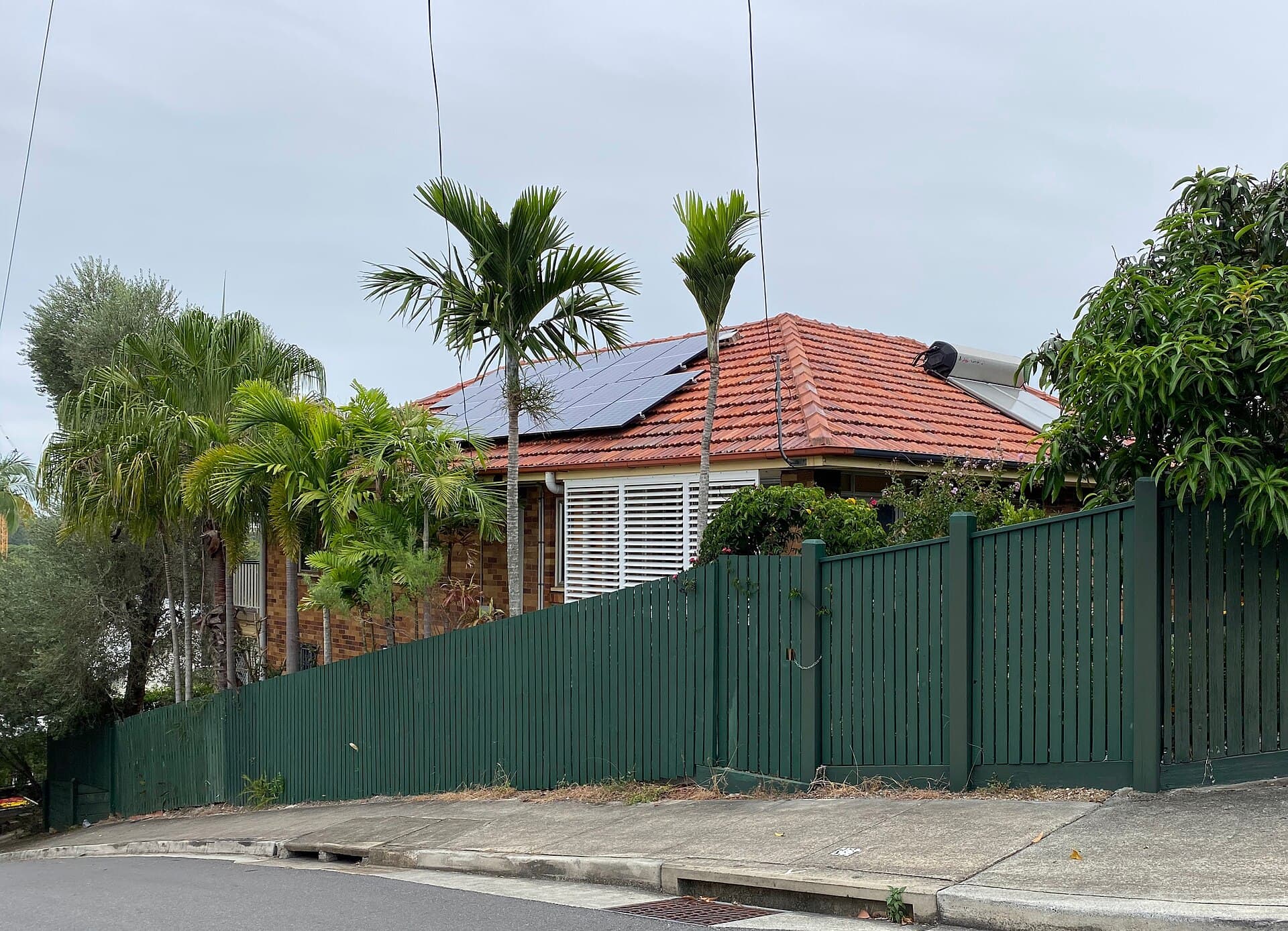
Dividing fences that double as pool barriers in Queensland and New South Wales
When a neighbour fence is also the pool fence, cost-sharing changes. A conservative reading of “sufficient” versus barrier, NSW swimming-pool practice, and Queensland’s user-pays approach including Form 39 notices.
Priya Nair · 9 June 2025

Why Australian pool gates fail inspection — closers, latches and height
Inspectors start at the gate. A practical walk through self-closing, self-latching, outward swing, latch height and the gaps that open after a wet winter — and how to fix them before a reinspection.
Priya Nair · 21 May 2025
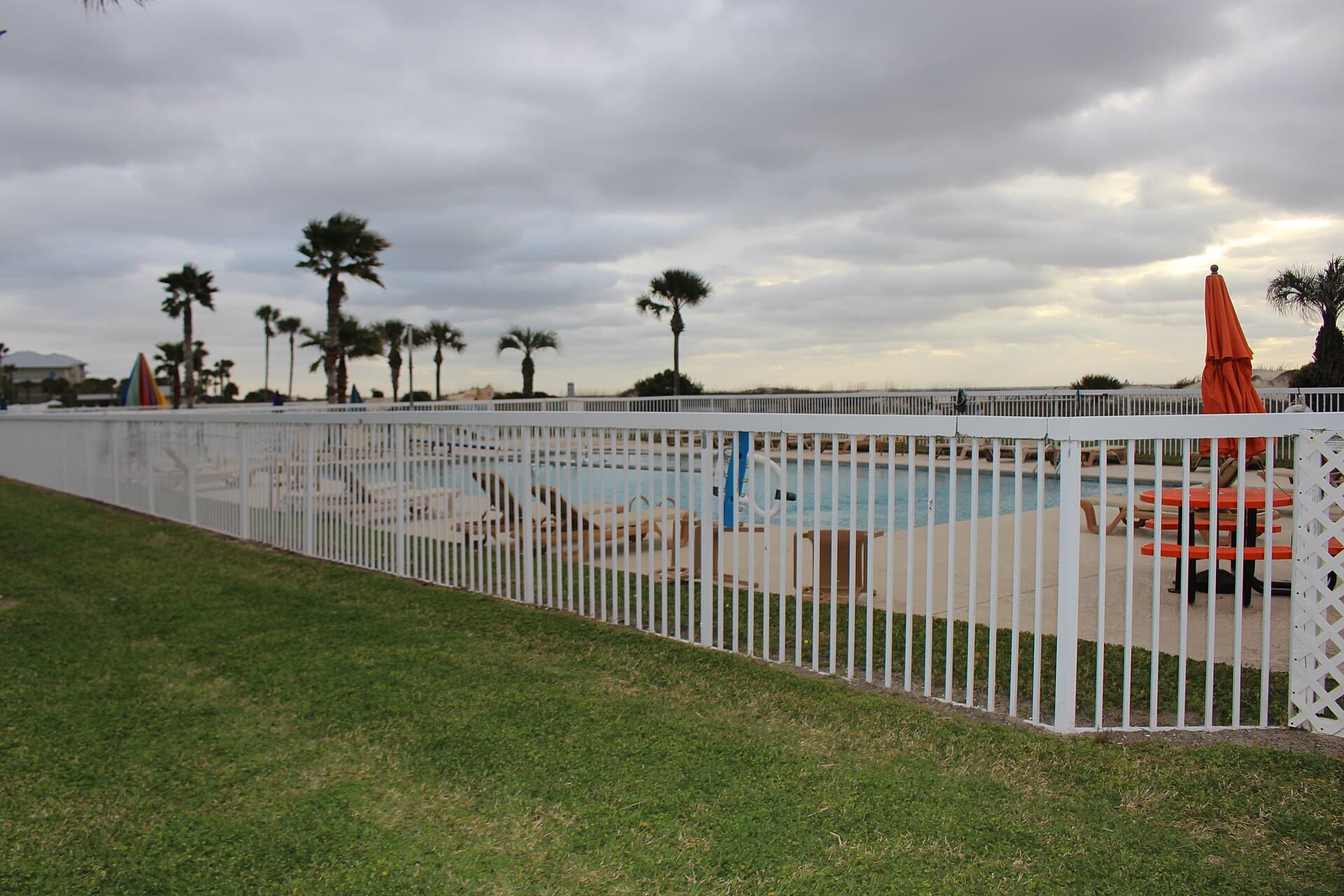
Glass pool fencing in Australia — cost, frameless detailing and inspection
What frameless and semi-frameless glass pool fences actually cost to own, why hardware and gates decide the quote, and how to get a glass barrier through an Australian inspection without treating the brochure as a certificate.
Priya Nair · 2 April 2025