Pool fencing rules in Australia — a practical reading of AS 1926.1
Height, gaps, gates, latches and the non-climbable zone, explained in plain Australian English. A conservative field guide to the Standard that states still build their pool-barrier rules around — not a substitute for your Act or council.
By Priya Nair · 20 February 2025 · Updated 10 September 2026
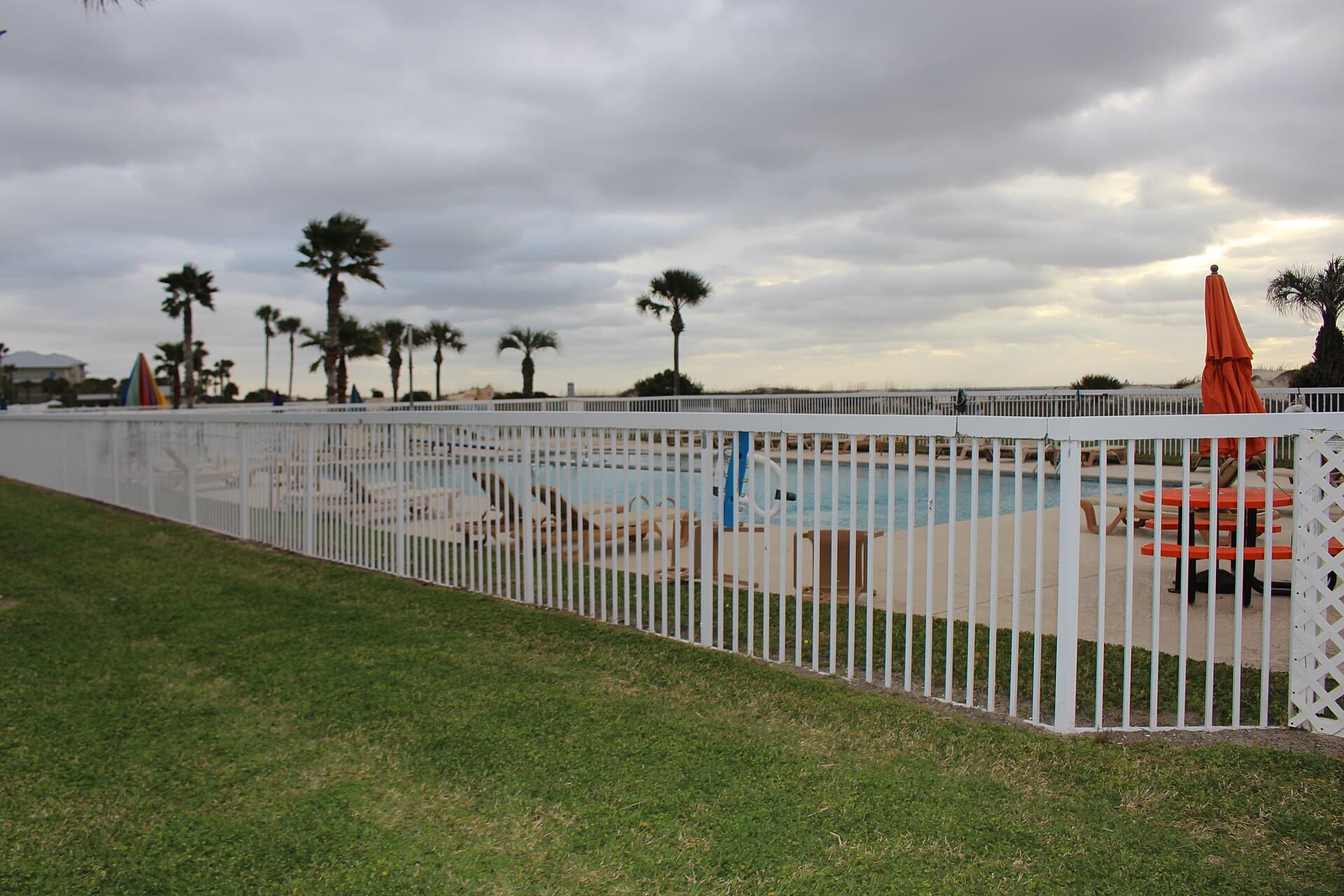
A pool fence is not a garden feature that happens to keep the dog in. It is the last reliable object between a toddler and deep water. The document almost every inspector still opens is AS 1926.1, the national Standard for swimming-pool barriers. States do not photocopy it into their Acts word for word, and councils add overlays, but the geometry in that Standard — height, gaps, the way a gate behaves, the empty air around the outside face — is what a competent barrier is built to.
This is a field reading, not a statute, and nothing here is legal advice. Before you demolish a paling line or sign a glass quote, read the swimming-pool Act that applies in your state and speak to the council that will register the pool.
What AS 1926.1 actually requires
The Standard is a set of tests a child is not supposed to pass. It assumes a young child is curious, reasonably strong, and willing to use whatever is nearby as a step. The barrier has to be high enough that the child cannot simply climb over. Openings must be small enough that the child cannot wriggle through. The outside face must not offer a foothold. The gate — the only moving part — must shut and latch by itself, every time, and must not invite the child to work the latch.
Those ideas travel into every common barrier type: steel on a boundary, frameless glass around a terrace, aluminium palisade, timber paling that has been carefully detailed, and the composite runs you see on new estates. The material is almost secondary. The geometry is not.
Inspectors quote the Standard as a suite. You do not need clause numbers. You do need to know that “the Standard” is a measurable envelope, not a vibe.
Pool barrier height and openings
For a typical outdoor barrier the working height in AS 1926.1 is about 1200 millimetres, measured on the approach side. That is the figure the industry builds to. Do not shave it. A panel that looks tall enough from the patio can fail once the ground on the neighbour’s side has been built up, or once a garden bed has been mounded against the posts.
Openings in the barrier — between palings, between glass and a post, under the bottom rail, at a stepped panel — are expected to stay no more than 100 millimetres. A sphere of that diameter is the usual mental model. If it fits, a small child might. The gap under a gate is the one that opens up after a wet winter, when the ground moves and the gate drops. Check it on the day, then check it again after the first season.
Where the barrier meets a building, the same logic applies to windows and doors that open into the pool area. A stacker door with a child-resistant bolt is not a substitute for a dedicated outdoor barrier unless your inspector and your state rules say so for that exact layout.
Pool gates, latches and the non-climbable zone
Gates fail more inspections than panels. Under the Standard a pool gate opens outwards, away from the water, and is self-closing and self-latching from any standing position — including the barely-open nudge a guest leaves behind. The latch is typically mounted so a small child cannot reach it: about 1500 millimetres above the approach ground, or lower if it is shielded so that it cannot be worked from outside. Magnetic latches have made the shielded option common on glass; they still have to be installed at the height and shielding the Standard describes.
Hinges that have lost tension, a latch that only catches when you lift the gate, a closer that dies in a sea breeze — these are maintenance items, not design opinions. Our note on why pool gates fail inspection walks through the usual faults in the order an inspector finds them.
The non-climbable zone is the empty volume on the outside of the barrier. Horizontal rails, lattice, BBQ benches, pot plants on stands, heat-pump covers, stacked timber, the neighbour’s raised vegie bed — anything that gives a foothold inside that zone can turn a legal-looking fence into a ladder. The zone is measured from the top of the barrier and around it; the exact geometry is in the Standard, and inspectors carry templates. You do not need the drawing to do the useful thing: keep the outside face clean, and look over the fence before you assume the neighbour’s side is innocent.
Keep furniture, filters and play equipment away from the fence line on both sides. An object that steals height from the inside is still an object an inspector will note.
How Australian states apply the Standard
AS 1926.1 is a Standards Australia document. It becomes binding because each state and territory points to it — sometimes the current edition, sometimes an earlier one — through a swimming-pools Act, building regulations, or both. Queensland issues pool safety certificates. New South Wales registers pools and requires periodic compliance certificates. Victoria, Western Australia, South Australia, Tasmania and the territories each run their own registration and inspection settings. Certificate life, who may inspect, and what happens at sale or lease all differ.
Do not assume a barrier that passed in one state will be waved through in another, and do not assume last decade’s certificate is still current. If you have just bought, or you are about to list, ask for the latest certificate and read the date.
Local government still matters. A council can have rules about height on a street frontage, materials in a character overlay, or how a barrier meets a retaining wall. Those rules sit on top of the Standard. They do not replace it.
Where a dividing fence is asked to do two jobs — neighbourly separation and pool safety — cost and notice rules change. The extra work of making a “sufficient” fence into a barrier is, in ordinary practice, a pool-owner cost. That is the pattern under New South Wales swimming-pool practice and under Queensland’s user-pays approach, including Form 39 notices. We set that out separately in dividing fences and pool barriers in Queensland and New South Wales.
A spa with a lockable lid is still a body of water. Treat the lid as a supplement until an inspector says otherwise. Indoor plunge pools and portable shells that hold a drowning depth are inside the same policy idea: if it holds water a child could drown in, ask before you fill it.
Preparing a pool fence for inspection
Walk the whole perimeter from the outside with a tape. Confirm height on the low side of any slope, and the largest gap rather than the average one. Open the gate a hand’s breadth and let it go; then open it fully. Try the latch at rest and slightly lifted. Look for climbable objects, for windows and doors that open toward the water, and for the junctions at the house, the side gate and the dividing fence.
If you are hiring, choose a contractor who will quote licences, insurance and a pathway to certification, not just a lineal rate. A cheap panel with a tired gate is more expensive than a properly set post.
The rest of our pool-barrier journal takes the Standard into particular materials and the neighbour conversation. Then read the Act that applies to the water in your backyard.
Frequently asked questions
How high does an Australian pool fence need to be?
AS 1926.1 treats about 1200 millimetres as the working height for a typical outdoor barrier, measured on the approach side. Ground that has been built up, garden mounds and stepped panels can steal height without anyone meaning to. States adopt the Standard through their own Acts, so confirm the figure that applies to your pool — and any council overlay on the street frontage — before you order materials. Taller is usually simpler than arguing about a millimetre.
Do pool gates have to open outwards?
Yes. Under the Standard a pool gate opens away from the water, then self-closes and self-latches from any standing position. A gate that a child can pull inwards, or that rests open after a guest, is among the most common reasons a barrier fails. Pair the swing with a latch that is out of a small child’s reach — typically about 1500 millimetres high, or shielded — and keep hinges under tension through the first hot summer and the first wet winter.
Is this legal advice?
No. Fences R Us publishes field journalism for homeowners and builders. Pool barrier law is made by each state and territory, then applied by councils and licensed inspectors. Editions of AS 1926.1 also change. Treat this article as a map of the well-known geometry — height, gaps, gates, latches, the non-climbable zone — and have the finished barrier read against the current Act and Standard in your jurisdiction.
Filed under Pool barriers. Corrections: contact the desk.
More in Pool barriers
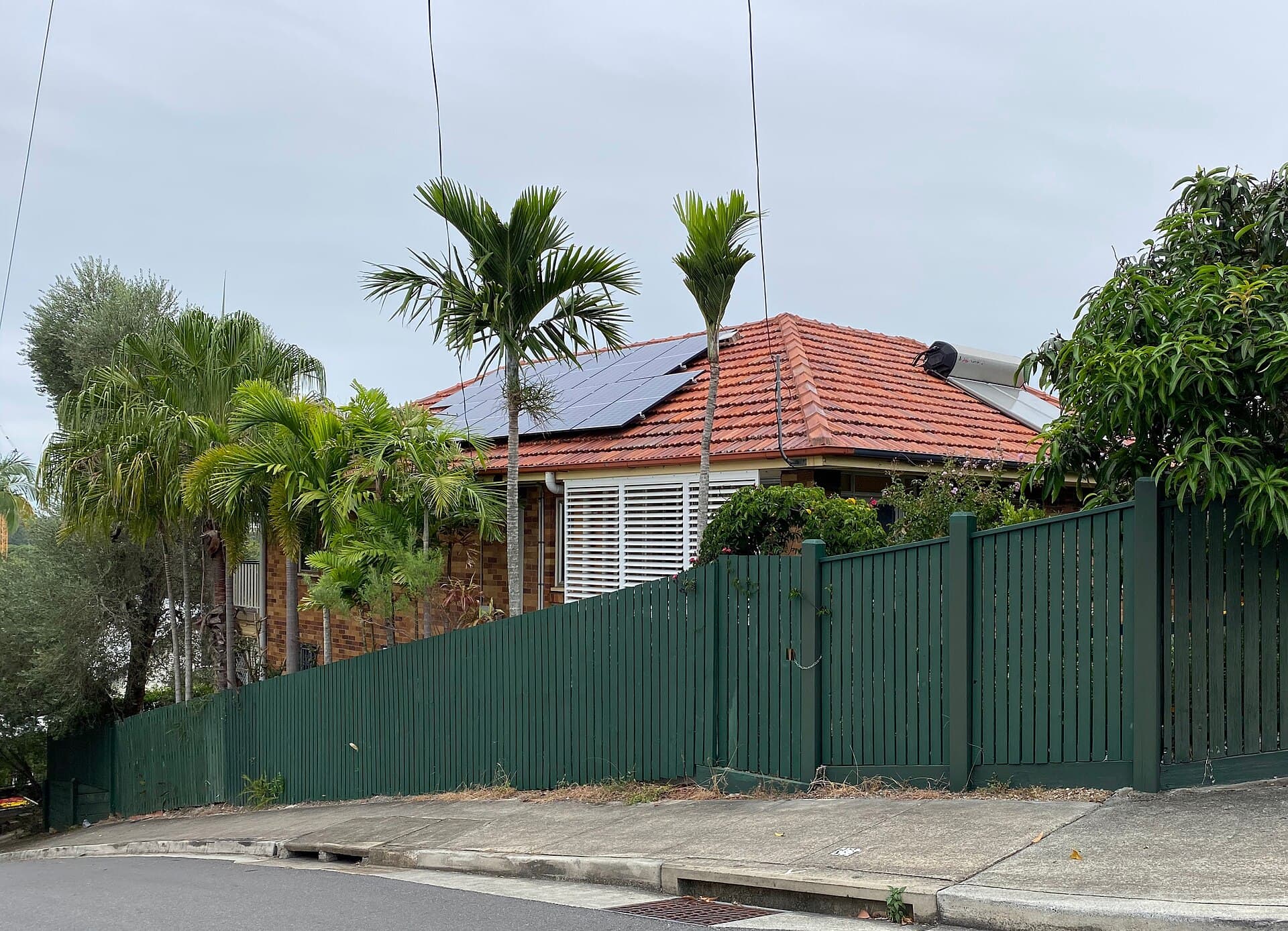
Dividing fences that double as pool barriers in Queensland and New South Wales
When a neighbour fence is also the pool fence, cost-sharing changes. A conservative reading of “sufficient” versus barrier, NSW swimming-pool practice, and Queensland’s user-pays approach including Form 39 notices.
Priya Nair · 9 June 2025
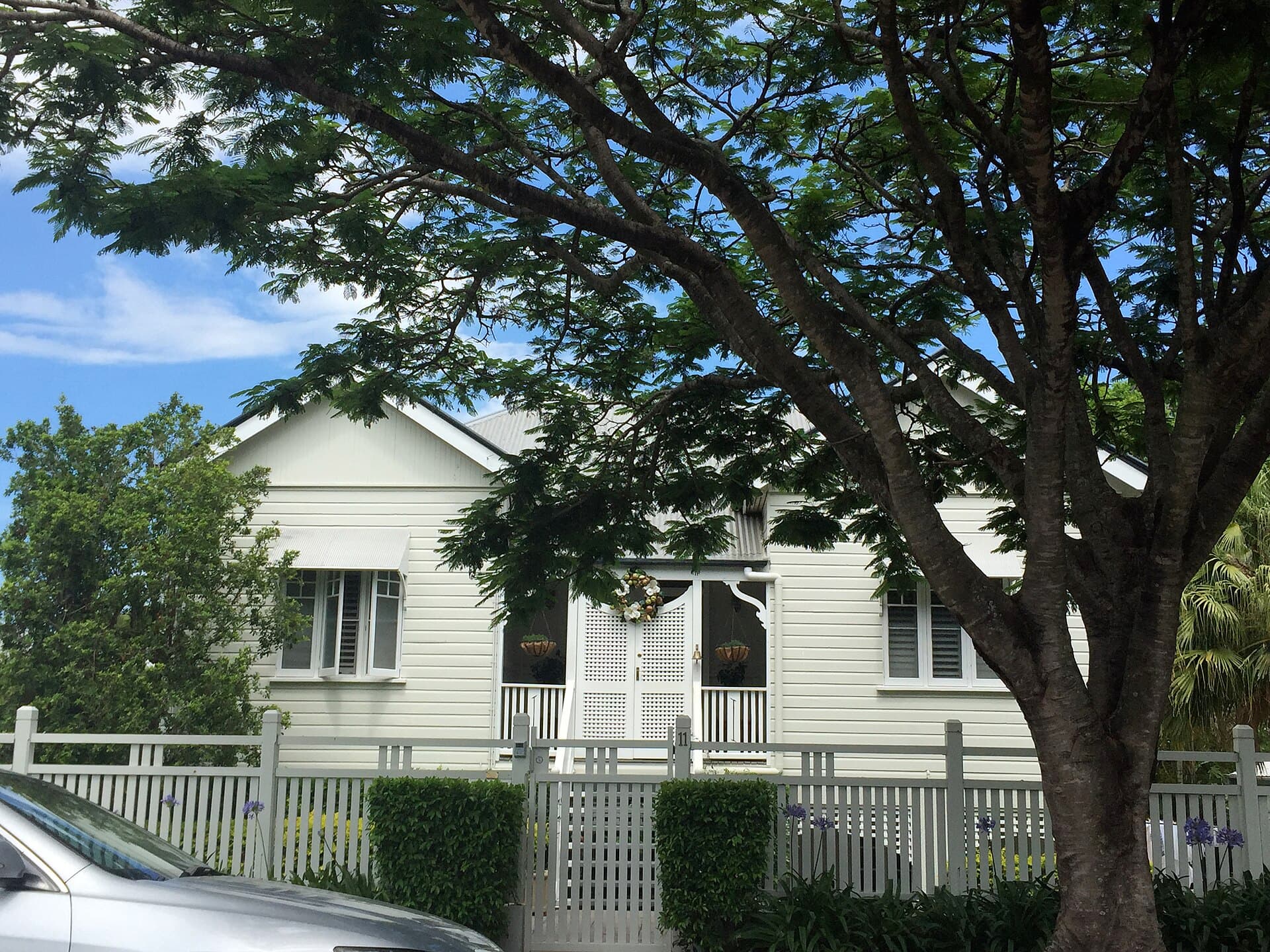
Why Australian pool gates fail inspection — closers, latches and height
Inspectors start at the gate. A practical walk through self-closing, self-latching, outward swing, latch height and the gaps that open after a wet winter — and how to fix them before a reinspection.
Priya Nair · 21 May 2025
Glass pool fencing in Australia — cost, frameless detailing and inspection
What frameless and semi-frameless glass pool fences actually cost to own, why hardware and gates decide the quote, and how to get a glass barrier through an Australian inspection without treating the brochure as a certificate.
Priya Nair · 2 April 2025