Why Australian pool gates fail inspection — closers, latches and height
Inspectors start at the gate. A practical walk through self-closing, self-latching, outward swing, latch height and the gaps that open after a wet winter — and how to fix them before a reinspection.
By Priya Nair · 21 May 2025 · Updated 11 August 2026

The inspector does not start at the pretty panel. They start at the gate, because the gate is the only part of the barrier that is allowed to open, and therefore the part that most often does not close. A run of glass or steel can be within a few millimetres of perfect and still fail because a closer has tired in the sea air, or because someone has propped the gate with a brick “just while we bring the towels out”.
AS 1926.1 is unsentimental about this. A pool gate opens outwards, away from the water. It self-closes and self-latches from any standing position. The latch is out of a small child’s reach — typically about 1500 millimetres above the approach ground, or shielded. Gaps around the leaf stay no more than 100 millimetres. Those are well-known requirements, not optional finishes.
This is not legal advice and not a substitute for a licensed inspection. Read the swimming-pool Act in your state, then treat the gate as a piece of safety equipment you test the way you test a smoke alarm: often, and without an audience.
The self-closing test inspectors actually do
A competent inspector opens the gate a hand’s breadth and lets go. Then they open it to about halfway. Then they open it fully, against the stay or the hinge limit, and let go again. The leaf has to come home and the latch has to catch, every time, without a hip shove. If it hesitates, if it stops on a high spot in the concrete, if it only latches when the air is still, it fails.
That is why “it closes when I do it” is not a defence. Adults close gates. The Standard assumes a child has just slipped through a gap someone else left. The hardware has to finish the job.
Closers fail for ordinary reasons. Spring hinges relax. Hydraulic closers leak. A gate that was hung plumb in September is dragging in March because the post has moved. Coastal salt eats the parts that look stainless. A heavier glass leaf needs a closer matched to its weight; a closer matched to a light aluminium gate will not throw a ten-millimetre glass door home.
Propping is a human failure, not a hardware one, but inspectors still record the result. If your household cannot keep the gate free of wedges, relocate the furniture path or add a second certified opening. Do not rely on a sign.
Latch height, shielding and the outward swing
Latch height is the second-most common fail. A side-gate latch at hip height is convenient for adults with shopping. It is also within a child’s reach. AS 1926.1 typically wants the operating part of the latch about 1500 millimetres above the ground on the approach side. The alternative is a lower latch that is shielded so it cannot be worked from outside — the arrangement you see on many magnetic glass latches, where the release sits inside a hood or well above the child’s line.
Shielding is not a decorative cover. If a child can get fingers to the release from the outside, it is not shielded. If the hood has been removed because it rattled, the latch has been altered.
The swing matters as much as the latch. The gate must open away from the pool. An inward swing lets a child pull the leaf toward the water and use their body weight. It also means a closer is fighting the way people naturally move when they are already inside. If an existing side gate opens inward, do not “make do”. Rehang it or stop using it as part of the barrier.
Strike plates move. A latch that only catches when you lift the gate is a latch that will not catch when a child brushes it. Packing, re-screwing and replacing a tired magnet are ordinary maintenance. Dropping the latch to make it catch is not.
Gaps, alignment and the ground that moves
The 100-millimetre rule applies around the whole leaf: hinge side, latch side, top and bottom. The bottom gap is the one that grows. Clay in Melbourne’s west, sand on the Perth coastal plain, reactive sites in Adelaide, and any block that was cut and filled last decade will move the pad. A wet winter lifts a corner. A dry summer drops it. The gate that passed in November fails in July.
Alignment is a post problem as often as a leaf problem. If the hanging post is out, no amount of hinge adjustment will give you a consistent closer arc. That is a rebuild, not a Saturday tweak. On steel and timber runs, check the post for rot at the concrete line. On glass, check that spigots have not rotated and that the gate leaf is still the leaf the closer was specified for.
Pet doors, letter openings and “just a little gap for the hose” are not exemptions. If it is part of the barrier, the opening has to meet the Standard. The same is true where a pool gate is hung in a steel boundary fence: the leaf still has to behave as a pool gate, even if the rest of the run is also a neighbour fence.
Fixing a gate before reinspection
Walk the gate the way the inspector will. Take a tape. Note the bottom gap at both corners. Note the latch height on the approach side. Film the closer from barely open and from fully open — not for social media, for the tradesperson.
Then decide what you are looking at. Maintenance is cleaning, tensioning, replacing a closer or magnet with the same specification, and clearing the arc of pots and doormats. Alteration is a new swing, a new latch height, a new leaf, or a new post. Alteration belongs to a licensed installer who understands pool barriers, not to a general handyperson who “does gates”.
Prepare the site if the pad itself is the problem. A lip of concrete, a garden edge, or a new outdoor kitchen that sits in the swing will defeat a new closer on day one. Keep the non-climbable zone clear while you are there. A perfect gate beside a climbable BBQ bench is still a failed barrier.
Bring paperwork to the reinspection: the invoice, the hardware specification, the previous fail sheet. Inspectors are not impressed by stories. They are reassured by a closer that slams and a latch they cannot reach from their knees.
If you are hiring the original installer back, ask whether they will attend the inspection. If you are hiring someone new, quote licences and a path to certification, not just a call-out fee. The rest of our pool-barrier journal is useful context. The gate is the part you should be able to test tonight, in the dark, with one hand.
Frequently asked questions
Why do pool gates fail inspection so often?
Because a gate is the only moving part of the barrier, and moving parts age. Hinges slacken, closers tire, latches miss the strike, and ground movement opens the bottom gap past 100 millimetres. Inspectors test the swing from barely open and from fully open. A gate that stays ajar fails even if every panel is within tolerance. Household habits — propping, doormats in the arc, a second “informal” opening — produce the same result on paper.
How high should a pool-gate latch be?
AS 1926.1 typically wants the latch about 1500 millimetres above the approach ground, or lower if it is shielded so a small child cannot work it from outside. A hip-height side-gate latch is not a pool latch, even if it came with an expensive fence. Measure on the outside, from the finished ground a child would stand on, not from a step you intend to remove later.
Can I adjust a pool gate myself before the inspector arrives?
You can clean the arc, tension hardware, and test the closer from several openings. You should not invent a closer, drop a latch to a convenient height, or reverse a swing without knowing whether the leaf will still meet the Standard. If the gate needs new hardware or a new post, use a licensed installer and keep the receipt. This journal is field reporting, not a repair manual and not legal advice — confirm the current rules with your state Act and the inspector who will sign the certificate.
Filed under Pool barriers. Corrections: contact the desk.
More in Pool barriers
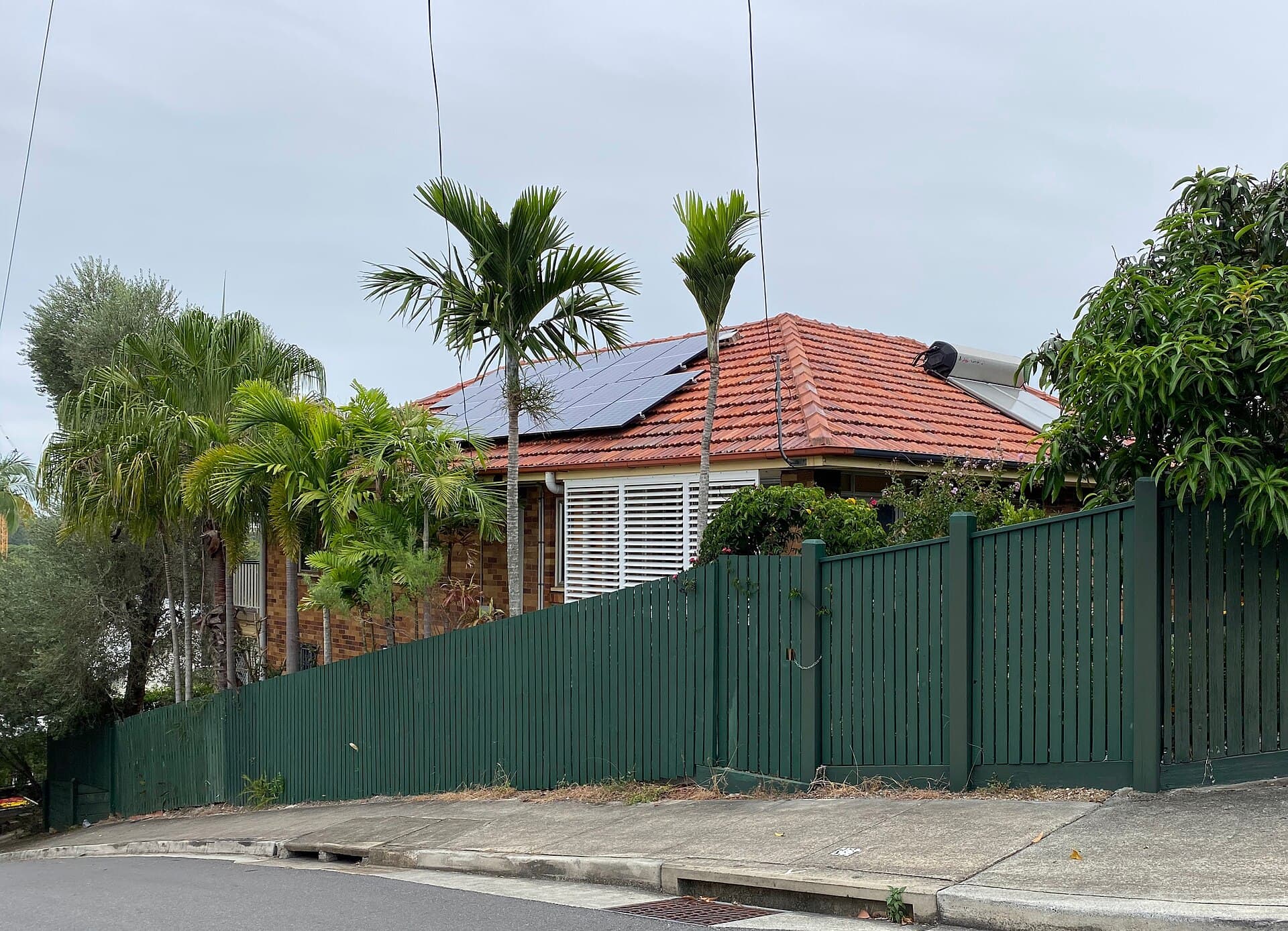
Dividing fences that double as pool barriers in Queensland and New South Wales
When a neighbour fence is also the pool fence, cost-sharing changes. A conservative reading of “sufficient” versus barrier, NSW swimming-pool practice, and Queensland’s user-pays approach including Form 39 notices.
Priya Nair · 9 June 2025
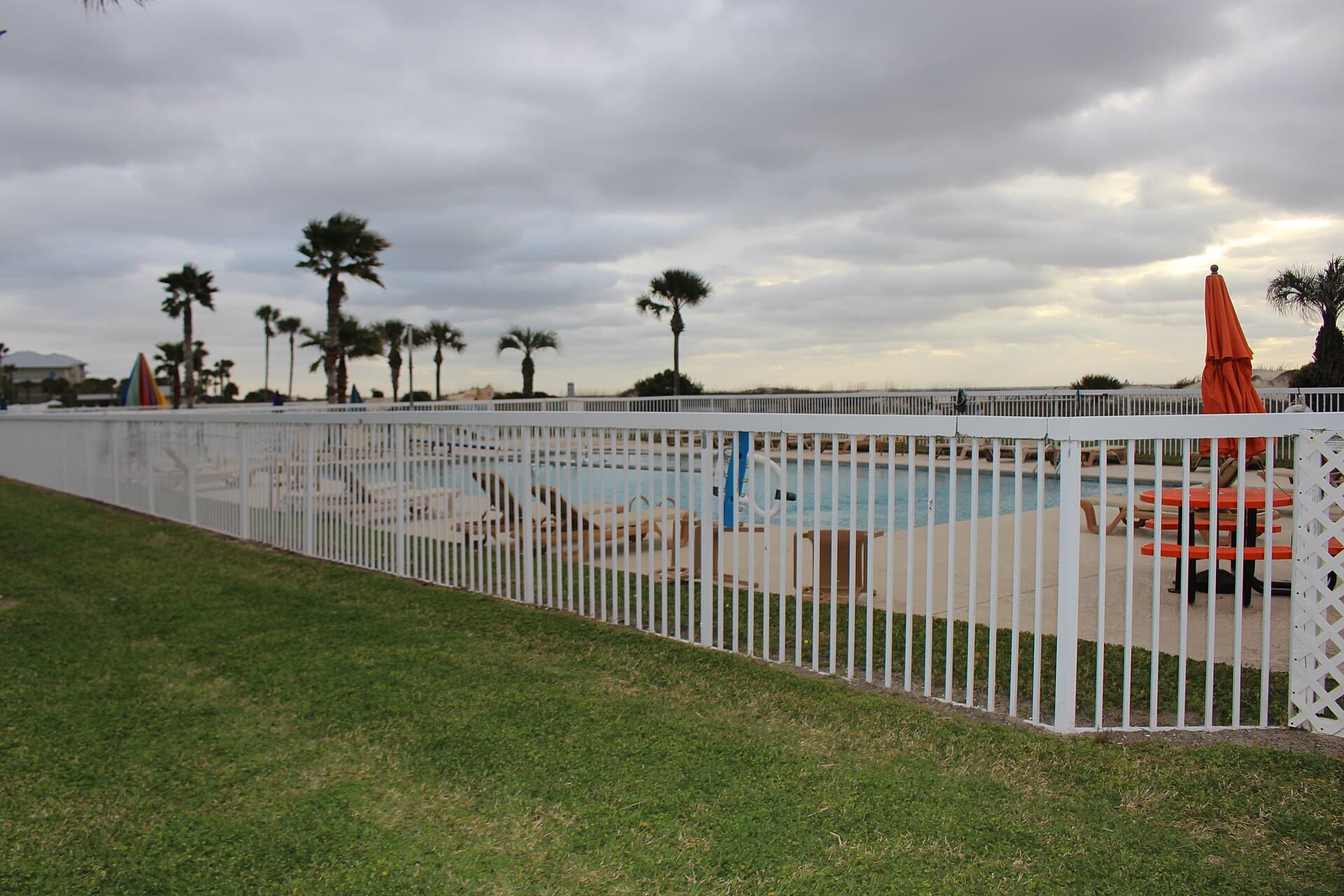
Glass pool fencing in Australia — cost, frameless detailing and inspection
What frameless and semi-frameless glass pool fences actually cost to own, why hardware and gates decide the quote, and how to get a glass barrier through an Australian inspection without treating the brochure as a certificate.
Priya Nair · 2 April 2025
When a COLORBOND® boundary fence is also the pool barrier
A COLORBOND® steel dividing fence can serve as a pool barrier, but only if height, gaps and the non-climbable zone still work on the neighbour’s side. A conservative guide to profiles, footholds and who pays for the upgrade.
Priya Nair · 18 March 2025