How to prepare a site for a new fence in Australia
The unglamorous work that decides whether a new fence stays plumb — Dial Before You Dig, levels, neighbours, clay, and the line you actually intend to build on.
By Tom Laird · 27 February 2025 · Updated 28 July 2026
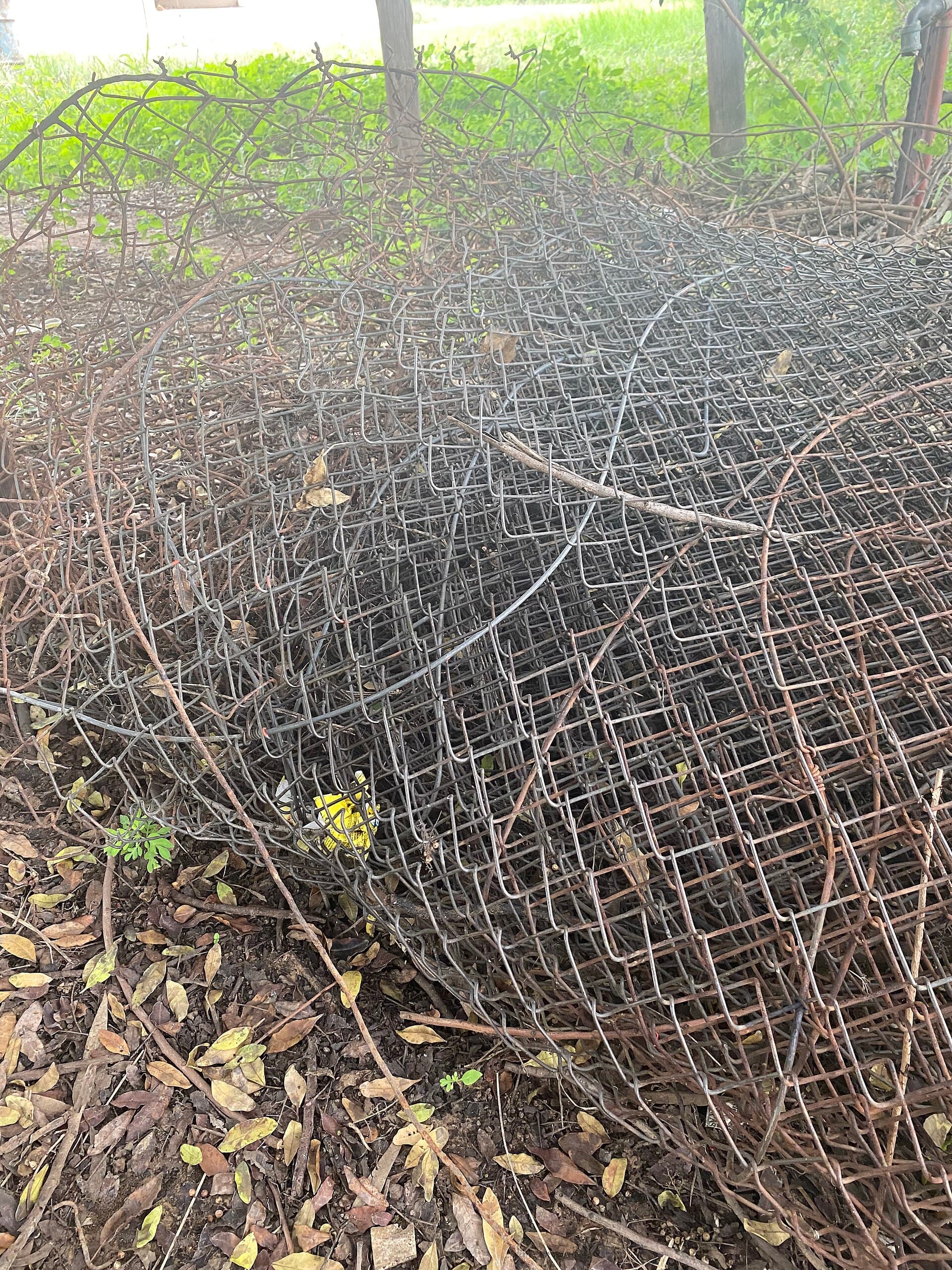
Most fence failures are organised the week before the crew arrives. The line was guessed. The services were not booked. The ground still hid a slab of forgotten concrete. The neighbour had not seen a notice. The fall along the side boundary was treated as a flat 1.8-metre panel job. Then everyone argued about why the gates bind and the sheet steps like a staircase.
Preparation is not glamorous and it is not optional. It is also the part an owner can do well without pretending to be a fencer. For the wider craft of putting a fence in and keeping it there, stay inside install and maintain.
Confirm the line before you confirm the product
A fence belongs on the title, not on the old palings, and not on the line the previous owner mowed. If the existing fence looks drunk, or if you and the neighbour have different memories of a peg, stop and get a licensed surveyor. Moving a steel fence later is a special kind of misery.
Mark the agreed line with paint or pegs the installer can see. Note trees you intend to keep, the meter box, the clothesline, the dog’s run and the place a trailer has to swing. A beautiful fence that blocks the only sensible gate is a weekend regret.
Dividing fences are a neighbour process as well as a construction process. Notices, contribution and the standard of fence sit under state and territory legislation. Read who pays for dividing fences before you send a text that starts with “I’m starting Monday”. This is not legal advice; it is a plea to do the paperwork in the same week you do the site plan.
Dial Before You Dig — even when the yard looks empty
Call 1100 or use the Dial Before You Dig service and wait for the plans. Then walk the yard with those plans in your hand. Rural land hides private power to pumps, poly to troughs, and old Telstra pits along the road. Suburban side boundaries hide gas, NBN and the sewer the last renovator never marked.
The plans are a guide, not a treasure map. Hand-dig or pothole when you are close. Tell the installer you have plans on site. A crew paid to drive posts will drive posts; your job is to make sure they are not driving them through someone else’s asset.
Pool zones, retaining walls and easements add another layer. An easement is not a suggestion. Building a solid fence along one without reading the instrument is how people meet the water authority.
Levels, fall and the myth of a flat panel
Walk the line with a long level, a stringline or a water level. Note every change of grade, every retaining edge, every place the neighbour’s lawn is 200 millimetres higher than yours. Steel sheet and paling both have a maximum step or rake the product can hide. If you ignore the fall, you get triangular gaps, buried cladding, or a sawtooth top that no one will admit they approved.
Decide whether the fence follows the ground (raked or stepped) or sits on a plinth. Plinths and low retaining are extra structure, extra money and extra chance to hold moisture against timber or steel. They are also how you stop the neighbour’s garden arriving in your yard after rain.
Clay heave will move footings on reactive sites, especially in the first wet winter after a dry build. Leave the gaps the system calls for at the base. Do not pack soil against new palings “to hide the gap”. That pack is termite harbour and a moisture bandage.
On rural jobs the same logic applies to strainer assemblies: they need room, they need to be plumb, and they need to sit where a stay will not land in a soak.
Clearance, vegetation and the things that eat a new fence
Slash the line. Remove old wire so no one finds it with a shin. Cut leaners that will sit on the new sheet in the first northerly. Do not bury stumps on the line and hope the post driver negotiates.
Trees are a council conversation as often as a chainsaw conversation. Overlays, neighbourhood character and the neighbour’s prized lemon all have opinions. A root ball can also shove a new post in year three; sometimes the kindest design is to step off a trunk rather than win a short argument with a eucalypt.
Termites belong in the preparation, not the five-year surprise. Keep timber off soil where you can, specify treated posts for in-ground pine, and do not build a decorative sleeper wall against untreated palings. If timber life is part of the product choice, treated pine paling lifespan is useful reading before you order.
Salt, irrigation and the western sun are environmental preparation. A bore-water sprinkler that hits the new steel every dawn is a corrosion program. Move it.
Access, spoil and living through the job
A fencing crew needs somewhere to stand, somewhere to put spoil, and somewhere to unload panels. If the sideway is 800 millimetres and full of jasmine, say so on the quote walk. Hand-carry rates are not a surprise; surprise hand-carry is.
Decide where spoil goes. Clean fill in a heap on the neighbour’s agapanthus is not a plan. On a rural line, decide whether old strainers are stacked, cut up or left as rub posts a long way from the new fence.
Pets and kids need a temporary arrangement. So do chooks. So does the dog that has never seen a gap in the boundary. Temporary mesh for a week is cheaper than a lost animal and a bad start with the crew. If the site is already a building site, that temporary line has its own rules and hire habits.
Weather is preparation. Pouring footings on a reactive clay the day before a 40-millimetre rain, or hanging gates in a northerly on a canal, is how neat work becomes a callback. Ask the installer what they will not do in bad ground rather than daring them.
What to have on paper before the truck arrives
A simple site sketch beats a long email. Metres of each run, heights, gate openings (actual clear width, not “a ute”), falls, the neighbour’s trees, the Dial Before You Dig job number, and who is supplying the locks. Note any covenant or estate colour. Note if a pool barrier is involved so nobody builds a climbable screen by accident.
Ask for a quote that matches that sketch. The fencing cost guide will tell you whether the number is in a recognisable band. Preparation changes the number: rock, demolition, retaining and poor access are the usual extras, and they are easier to price when they are visible.
If the product is still undecided, finish the site thinking first. A well-prepared line will take Colourbond, paling or a rural wire with equal grace. A badly prepared line will make all three look expensive. The Colourbond versus timber choice is easier when you already know the fall, the services and the neighbour.
The coil of wire, the pack of sheets, the pallet of palings — none of them fix a line you guessed. Peg it, ring 1100, talk to the neighbour, and walk the fall with a cup of tea. That is the job before the job.
Frequently asked questions
How far ahead should I call Dial Before You Dig?
Call before anyone puts a post hole in the ground, and give the plans a couple of working days to come back. A rural paddock is not exempt. If the plan is messy, hand-dig and pothole. Hitting a cable is dearer than a week of patience.
Do I need a surveyor before fencing a boundary?
If the line is disputed, the old fence is clearly wandering, or you are about to spend serious money on a solid screen, yes. Pegs from a phone app are not a survey. A licensed surveyor is cheaper than moving 40 metres of Colourbond.
Should I clear the fence line myself?
Clearing grass, leaners and obvious rubbish helps the crew and the quote. Cutting trees covered by a council overlay, or stacking spoil on a neighbour’s title, creates new problems. Ask what the installer wants left and what they will do as part of the job.
Filed under Install and maintain. Corrections: contact the desk.
More in Install and maintain
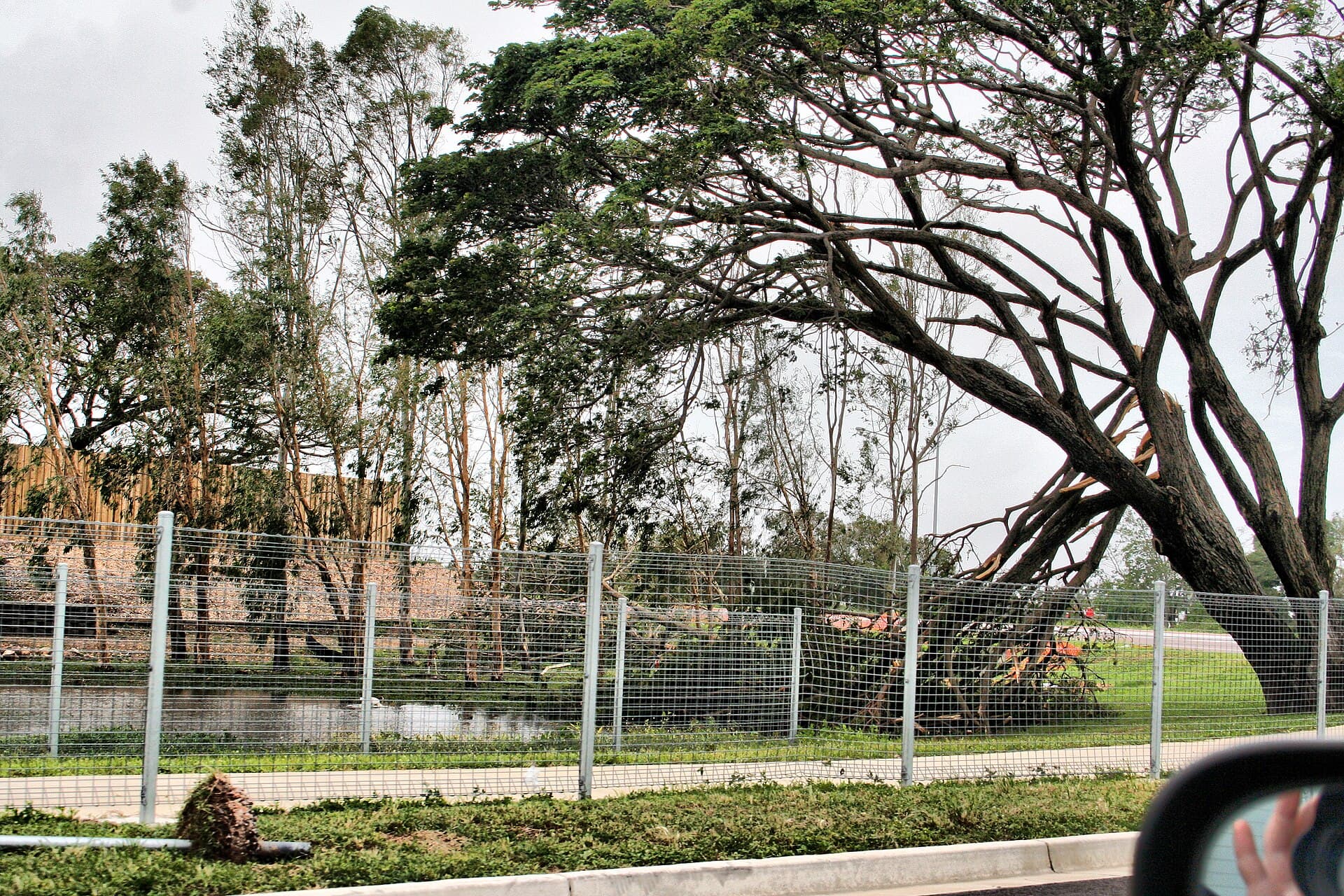
Driveway gates for suburban blocks — sliding, swing and automatic
How to choose a suburban driveway gate that still works after a storm — sliding versus swing, automation, safety beams, and the site details that decide the hardware.
Tom Laird · 18 September 2025
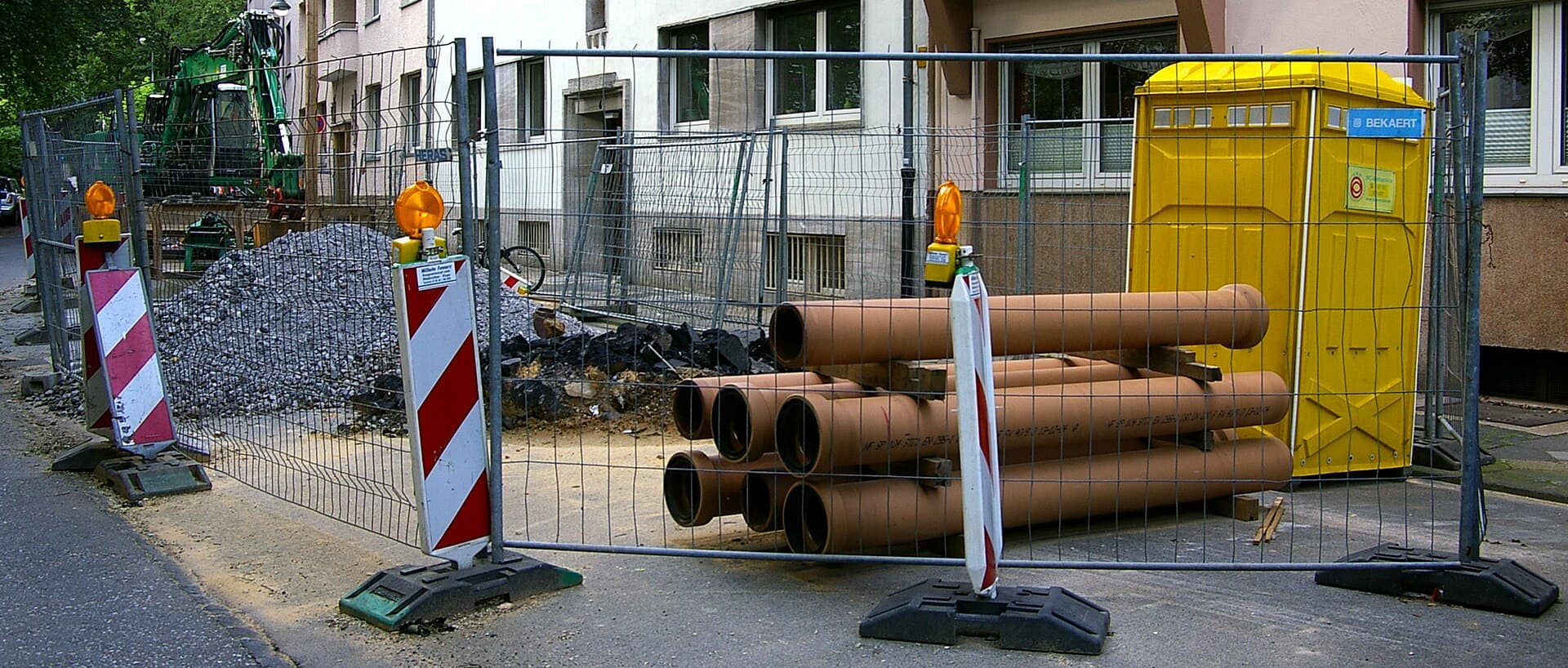
Temporary fencing on Australian building sites
How hoop-mesh hire fences actually work on suburban jobs — wind, shade cloth, pool-reno traps, and the difference between a site fence and a barrier that must still meet the rules.
Tom Laird · 3 September 2025
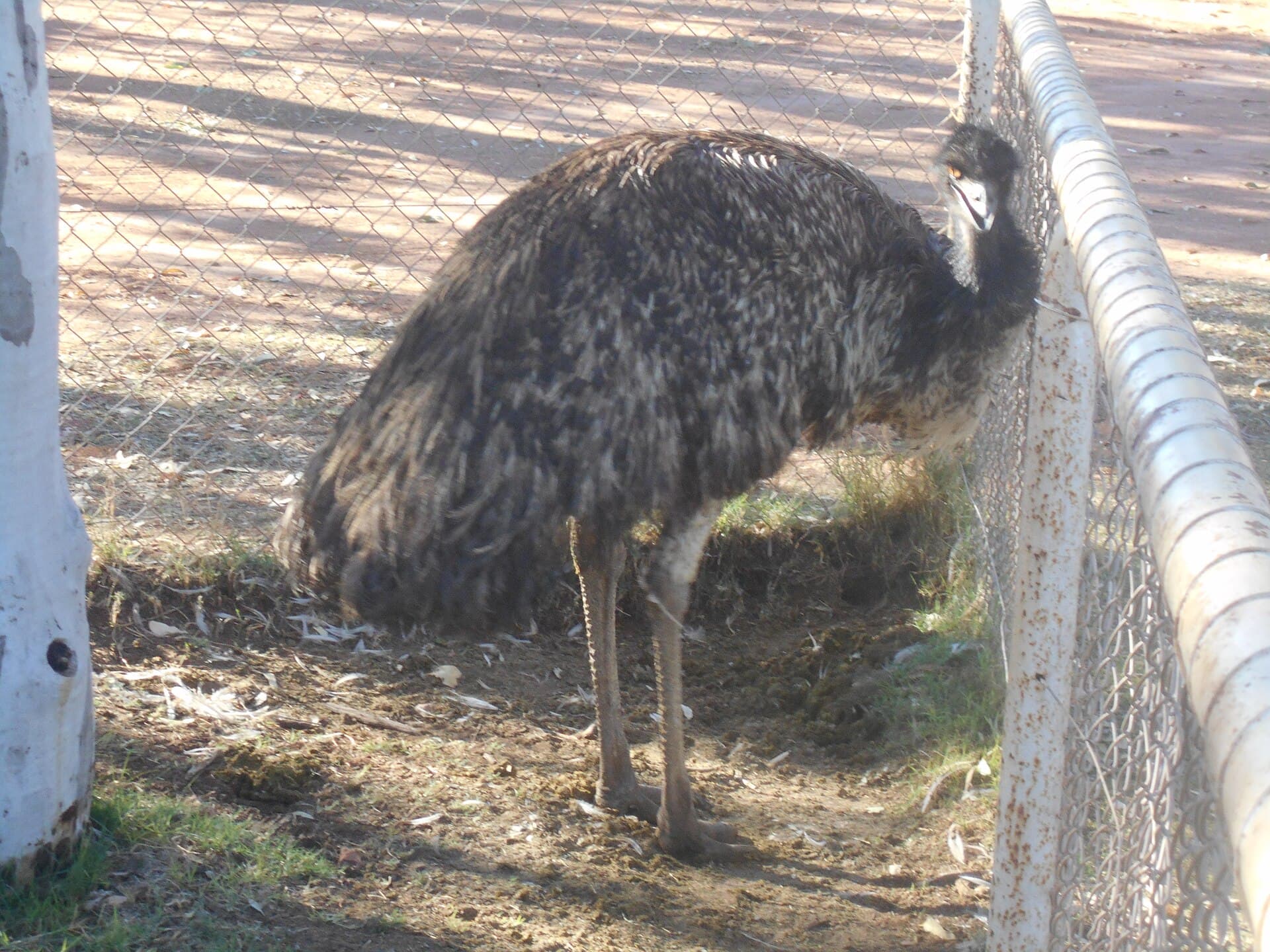
Fence maintenance through an Australian summer
A practical summer walk-down for Colourbond, paling and rural wire — washing, storm prep, clay after the first rain, and the repairs that stop a small fault becoming a rebuild.
Tom Laird · 6 August 2025