How long a treated pine paling fence lasts in Australia
How long a treated pine paling fence lasts in Australia, what kills it early — termites, wet posts, sun — and the maintenance that actually adds years.
By Mark Denham · 3 July 2025 · Updated 14 April 2026
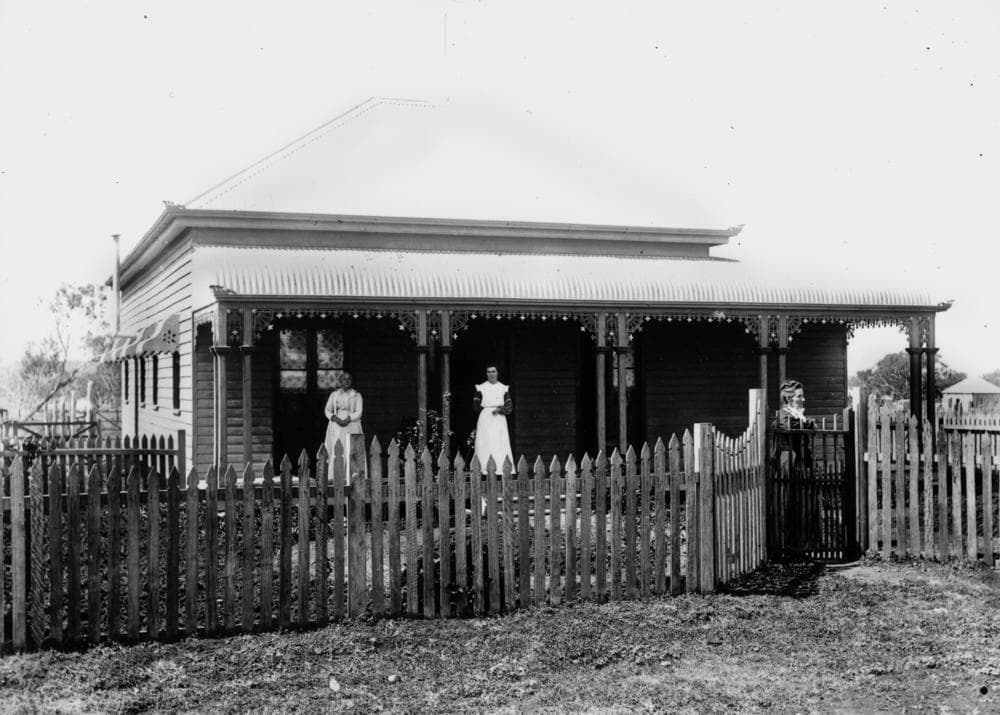
A treated pine paling fence is still the default dividing fence on a huge number of Australian blocks, and it gets spoken about as if it were disposable. It is not, or it need not be. I have taken down palings that were finished after eight summers because the posts were standing in a cup of water, and I have left alone fences in Pittsworth-dry country that were still doing the job after twenty. The timber was similar. The ground and the detailing were not.
If you are choosing between pine and steel, read the COLORBOND versus timber comparison first. This piece is about the paling fence you already have, or the one you are about to pay for, and how long it can honestly last.
How a treated pine paling fence is built
The standard suburban paling is a kit of parts. Posts in the ground. Two or three rails. Vertical palings, usually lapped a little so you cannot see a straight gap. A capping board if someone cared. Height is typically 1.8 metres; 2.1 metres if privacy is the brief.
The treatment is the part people wave at when they say “it’ll be right”. In Australia, plantation pine used outside is treated to a hazard class. In plain language:
- H3 is for outside, above ground, getting wet from time to time. That is your palings and often your rails.
- H4 is for outside, in-ground, in a severe wetting situation. That is a typical fence post.
- H5 is a step up again for more critical in-ground contact, including some posts in harsher or wetter sites.
If the quote just says “treated pine”, ask for the hazard class on the posts. Palings marked H3 sitting on H3 posts in clay is how a fence looks fine in year two and leans in year six.
Older fences may still carry copper-chrome-arsenate (CCA) treatment; newer domestic timber is more often a copper-based system. Both are treatments, not magic. Any cut you make on site is a place the original envelope no longer matches what the plant signed off. A “good neighbour” or lapped-and-capped paling costs more and looks finished from both sides — a peace issue more than a lifespan one.
Typical lifespan of a paling fence in Australian conditions
Give a number without a caveat and you are selling something. With the caveat: a well-built treated pine paling fence on a reasonably drained suburban block, with H4 or H5 posts, palings kept off wet soil, and a bit of attention, often lasts around fifteen years as a respectable fence. Twenty years is common enough in drier inland and southern conditions that it should not surprise you. Ten years or less is also common, and it is usually the posts.
What shortens the life: posts concreted so they hold water, palings sitting in soil or mulch, a wet shaded southern boundary, termite pressure along the Queensland and New South Wales coasts, harsh north or west sun that cups every board, and a gate used as a hinge. What lengthens it: dry posts, a gravel or concrete edge that keeps soil back, a capping that sheds water, and replacing a cracked paling before the panel goes.
Coastal salt does not eat pine the way it eats cheap steel, but it keeps things damp and it destroys fasteners. Inland sun dries the timber and then splits it. Neither is fatal if the posts are honest.
Termites, wet posts and the hole that decides the fence
Termites are the story everyone wants. Moisture is the story that is usually true.
A paling fence is a timber buffet in a line. Treatment makes the meal less attractive. It does not remove a colony from the palings you just pulled out, a sleeper wall, or a buried stump. On the eastern seaboard and across the north, assume termite country. Do not stack old palings against the new posts “until the skip comes”.
The post hole is where most early deaths start. A post dropped into a wet concrete socket with no drainage is a vase. Use the right hazard class, concrete that does not trap a collar of water at ground line, and a finish that sheds. Steel posts with timber rails and palings are often the most grown-up paling fence you can buy: the character stays, the rotting ankle goes.
Clay makes this harder. Melbourne’s west, the Adelaide plains, parts of western Sydney — the ground moves and water sits. Deeper holes do not excuse a wet collar. If old posts snap at ground line, do not recycle the rails without looking: they fail from the top edge and from the back.
Sun, cupping and replacing palings one at a time
The sunny face of an Australian paling fence will silver, check and cup. That is pine in UV. Cupping opens gaps, and gaps are how the neighbour’s new first-floor window becomes your problem. Flip a paling, replace a run, or live with the silver — do not nail cheap lattice over a dying board and call it a renovation.
Replacing palings one at a time is timber’s quiet advantage over a steel sheet. Keep a few spare boards under the house. Capping takes the weather first; replacing a cap is cheap insurance. So is keeping garden soil off the bottom. A garden that eats the last 100 millimetres of fence is eating the fence.
Maintenance that actually adds years
A paling fence does not need a monthly ritual. It needs a look twice a year: push the posts after the wet, clear soil and stacked timber off the line, replace a cracked paling, and keep the gate hardware tight. Oil or stain only if you will keep going, and use something that can breathe. A thick paint on the shaded south face traps moisture. Do not point a sprinkler at the posts all summer.
The summer maintenance guide covers heat, dust and storms. When you do replace, prepare the site: get the old concrete out, find the pegs, and do not set new posts in the same wet holes. If the neighbour is contributing, sort that first — the cost picture sits in the fencing cost guide.
When to repair a paling fence and when to replace it
Repair when the posts are still firm and the problem is palings, a cap, a gate or one leaning panel. Replace when two or three posts are rotten at the ground, the line has become a wave, or you are about to spend a new fence in dribs.
Replacement is also the moment to ask whether timber is still the right material. Termite-heavy, bushfire-prone, or a household that will never pick up a brush: steel may be the kinder twenty-year decision. A street of timber houses: a new paling, built properly, still belongs. I like a paling fence that has been allowed to go grey, with a straight line and a gate that clicks. That is a fence whose posts were specified, whose soil was kept back, and whose owner replaced a board in time.
Frequently asked questions
How long does a treated pine paling fence last in Australia?
A well-built fence with the right hazard-class posts and ordinary care often lasts around fifteen years, and twenty is quite possible in drier or well-drained conditions. Wet posts, termites, harsh sun and palings buried in a garden bed can finish the same timber in well under ten. Ask about the posts, not just the palings.
Do termites eat treated pine fences?
They can. Treatment is a resistance, not a force field. Cut ends, ground contact, moisture and a colony already on the block are the usual invitation. Steel posts with timber palings, a clean site, and not stacking old wood against the new fence are the practical answers.
Should I oil or stain a paling fence?
Only if you like the look and you will maintain it. Plenty of Australian palings are left to silver and they are allowed to. A breathable oil or stain can reduce cupping. A heavy paint film that seals moisture into the shaded face of a board is a good way to grow rot. Keep soil off the bottom either way.
Filed under Materials and styles. Corrections: contact the desk.
More in Materials and styles
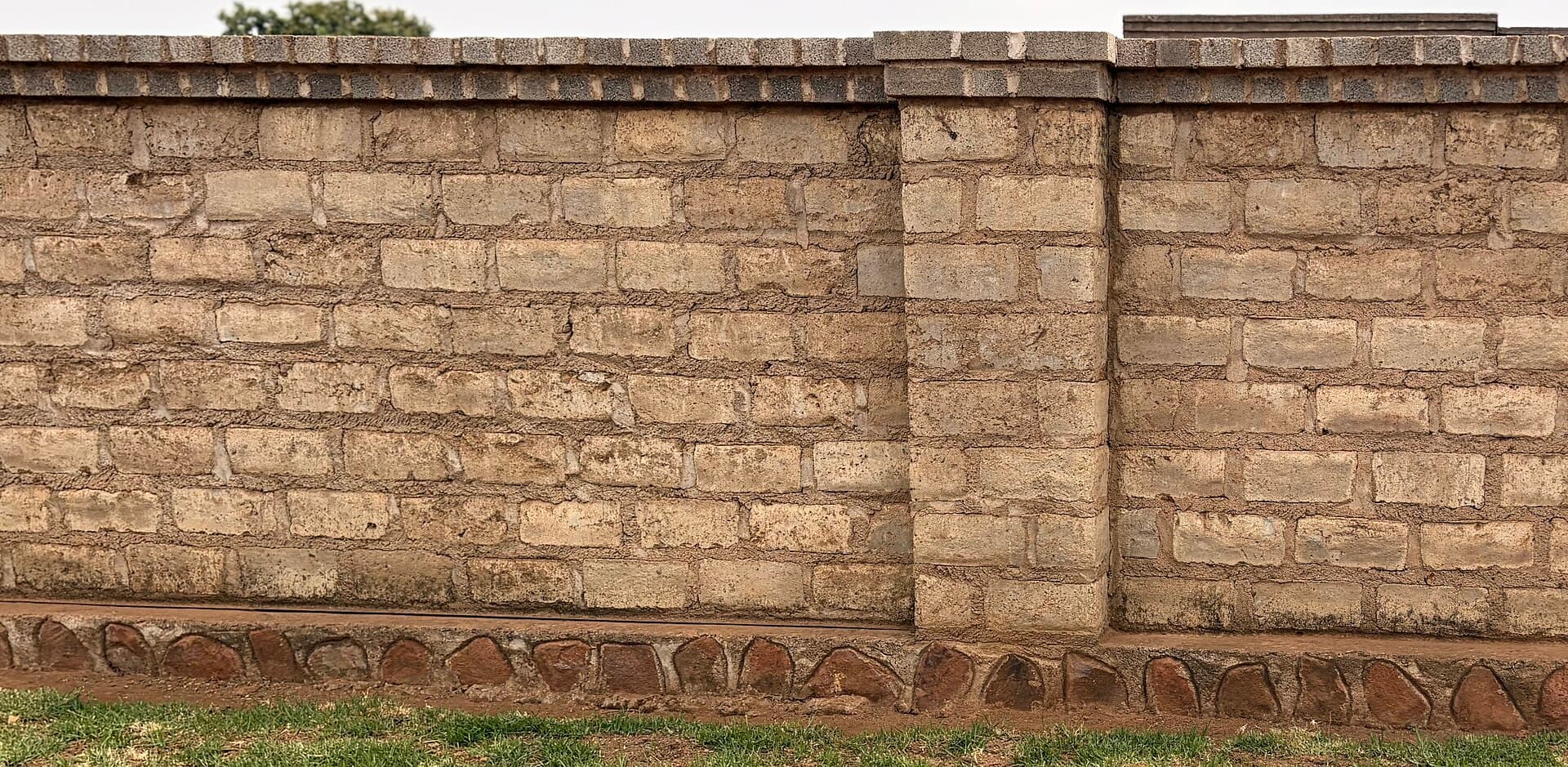
Masonry and rendered block fences in Australia
When a rendered block or brick boundary wall is worth the money in Australia — foundations, neighbours, council, and how masonry compares with lighter fences.
Helen Crowe · 14 August 2025
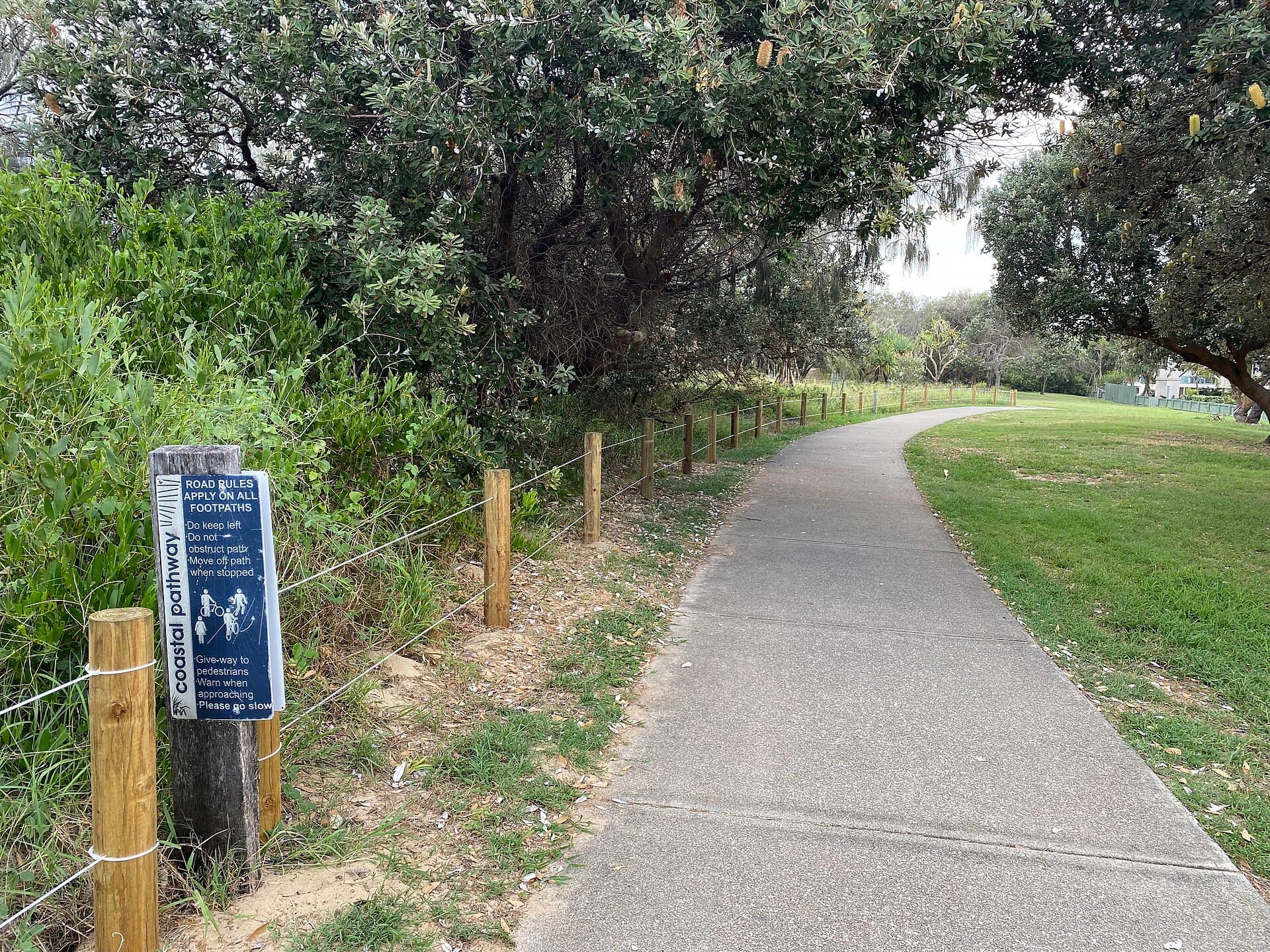
Coastal fencing that lasts in salt air and wind
Why seaside fences die from the bottom and the windward face — coatings, fasteners, marine-grade habits and what is worth paying for on an Australian coast.
Tom Laird · 9 July 2025
Aluminium slat fencing in Australia
Aluminium slat fencing explained for Australian homes — gap sizes, colours, coastal durability, typical cost ranges, and when slats beat COLORBOND or timber.
Helen Crowe · 19 June 2025