Fence maintenance through an Australian summer
A practical summer walk-down for Colourbond, paling and rural wire — washing, storm prep, clay after the first rain, and the repairs that stop a small fault becoming a rebuild.
By Tom Laird · 6 August 2025 · Updated 12 March 2026
Summer is honest about fences. The western sun cooks coatings. The grass grows through the bottom wire. A north-westerly finds the screw that was only half interested in August. Then a storm or a fire-weather afternoon arrives and tests every slack bay at once.
Maintenance is not a restoration project. It is a walk, a wash, a handful of fasteners and the discipline to fix the small thing. Most of it sits beside ordinary installation and maintenance habits: look at the line the way a contractor would on a defects walk, then do the ten-minute jobs before they become a quote.
A summer walk-down that actually finds faults
Start at a gate. Gates tell the truth. If the latch no longer meets, a post has moved or a hinge has worn. If the gate drags, the hanging post is tired or the ground has heaved since winter. Work away from the gate along each run.
Look high and low. The top of a steel fence shows oil-canning, popped screws and a rail that has walked out of a clip. The bottom shows buried sheet, soil against palings, rust blooms, and the hollow where a dog has been working. Mid-rail is where kids and stock lean.
On rural wire, take a pull. A fence that looks straight can still be slack enough for a weaner. Check strainer assemblies, not just the pretty middle bays. A stay that has punched into wet ground will undo a kilometre of tension.
Take a photo of anything you will not fix today. Summer jobs compete with the rest of the block; a list on the phone is how the popped paling still gets done in February.
Washing Colourbond and other coated steel
Coated steel wants fresh water more than it wants a product from the shed. Dust, salt and irrigation residue hold moisture against the paint. A soft wash a few times a year — and after dusty winds or seaside weather — is what the makers describe in their maintenance notes. That is also what keeps a warranty conversation civil.
Use a bucket, a sponge or a soft-bristle brush, and a mild detergent if the film is greasy. Rinse from the top so you are not painting dirty water down a clean sheet. Stay away from abrasive pads, solvent cleaners and the pressure washer on a pinpoint nozzle. You can strip a coating in an afternoon and not notice until it chalks.
Keep sprinklers off the fence. Bore water and some recycled supplies leave a crust that looks like neglect even when you are attentive. If you live in a salt belt, wash more often. The coastal piece in this journal is the hard-weather version of the same advice.
Touch up only with the system the manufacturer nominates. Household enamel on a cut edge is how you get a patch that peels in two summers.
Palings, pines and the termite hour
Timber fences dry hard in January. Boards cup. Nails withdraw. The bottom of a paling that sat in last winter’s wet now looks grey and fat. Walk with a hammer and a pocket of galvanised nails or screws, and put back what is still sound.
Do not “save” a rotten bottom by nailing it to the rail in a new place. Cut a fresh board or admit the plinth has to come off. Soil piled against palings is termite harbour and a moisture store; pull it back. If the posts sound hollow or the rails crumble at the joint, you are past maintenance.
Termites work in summer as happily as in a wet March. A paling fence is not a house, but it is a bridge to a house if you let it stay in contact with a deck or a sleeper wall. The longer view on timber life is in treated pine paling lifespan. Summer is when you decide whether you are maintaining a fence or funding its replacement, which is the same choice as Colourbond versus timber but with better information because you can see the rot.
A light oil or stain on the sun face can slow checking. It will not raise a dead post. Do not paint over active decay and call it a job.
Rural wire, electric fences and grass
Slash the fence line before the grass seeds into the mesh. Grass on an electric wire is a summer short; grass against timber is a fire and termite courtesy. If you run a hot offset, walk it with a voltmeter after the first growth flush, not with a resigned grimace.
High-tensile that went through a hot fire, or that has been kinked by a fallen limb, needs cutting out. Joining tired wire to tired wire with a rusty twist is how a fence unravels during the next storm. Carry crimps that match the gauge.
Star pickets walk in soft ground when the first summer storm turns the track to soap. Stamp them and re-tie. Droppers that have slid get the wires out of spacing; a lamb will find that hole before you do.
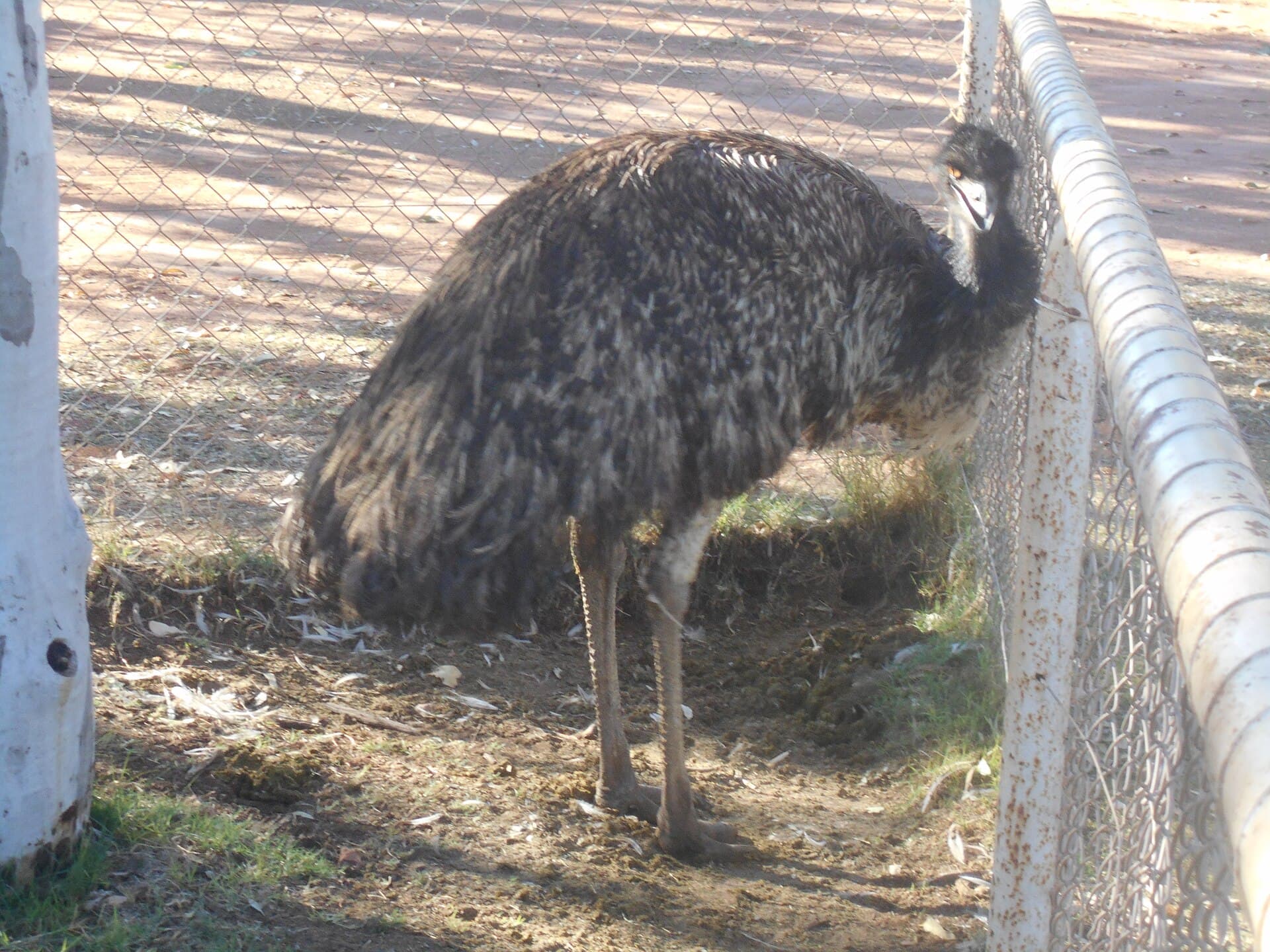
Emus, kangaroos and the neighbour’s bull do not respect a maintenance calendar. After they have been through, re-strain the bay rather than adding another picket to a belly.
Storms, clay heave and the week after rain
A dry winter followed by a wet February is when clay heave shows up on suburban steel: a panel out of line, a gate that bound overnight, a plinth crack. Do not wrench a racked panel back and concrete it harder. Find what moved — often a post with a small footing — and repair that. Then leave the base gap the system needed in the first place.
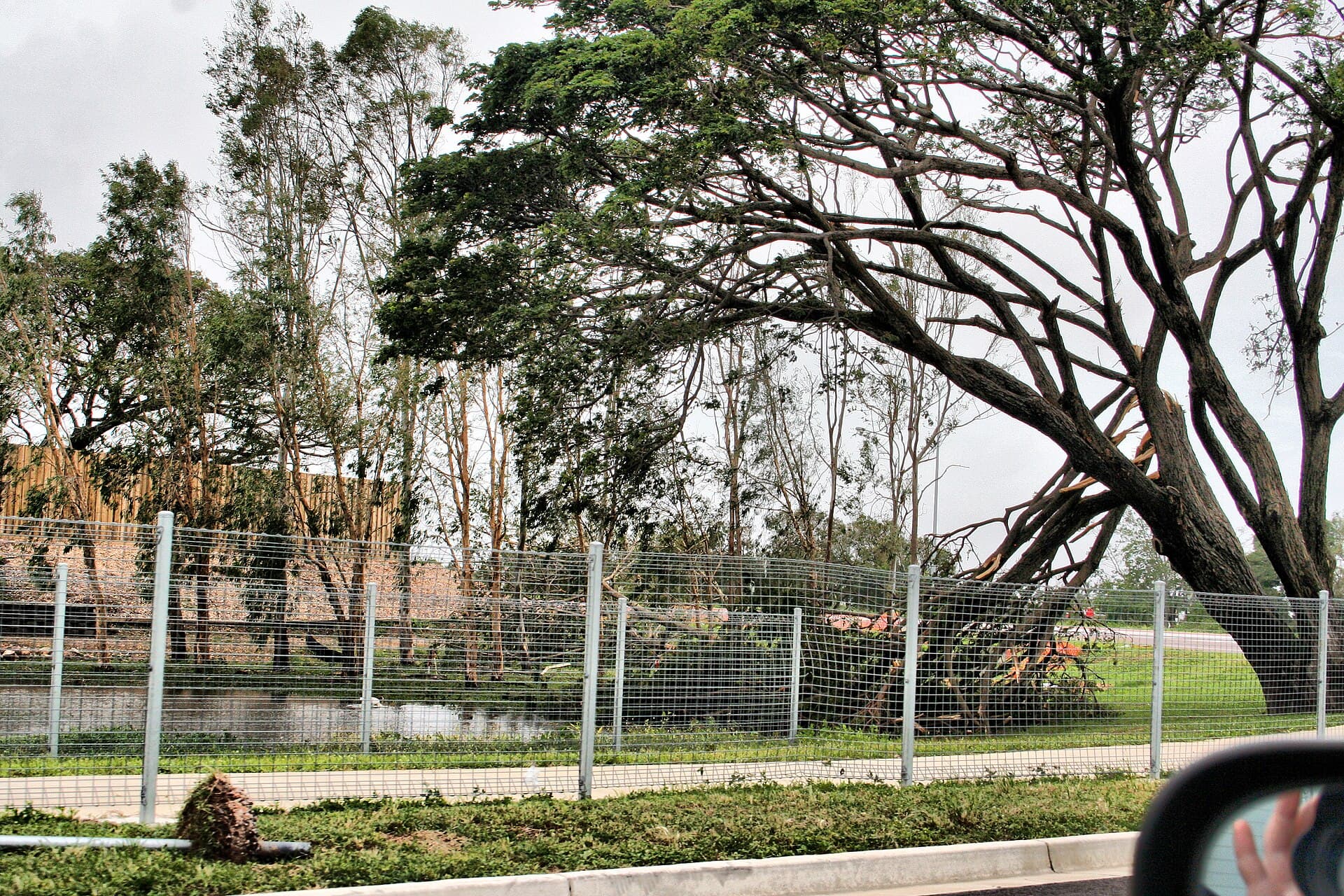
After a storm, look for debris against the fence. A trampoline, a shade sail or a sheet of corrugated iron will take a paling run with it. Coastal and river blocks pick up the same lesson with a boat or a bin.
Check any pool barrier the same day. A popped paling or a gate that no longer self-latches is not a cosmetic item; it is a barrier fault under AS 1926. That is not a summer-optional job.
Dial Before You Dig before you replace a post you assume is in an empty hole. Summer is when people drive a new post beside an old one and find the NBN.
What summer repairs typically cost
A wash and a handful of screws is owner labour and a Saturday. A fencer to rehang a gate, replace a dozen palings or re-strain a rural bay will often quote a call-out plus a modest labour band — think a few hundred dollars for a small, accessible repair, and more once you add materials, two people and a travel fee. Full panel replacement sits back in ordinary installed ranges, which the fencing cost guide sketches. Get a number on the fault you have, not on “tidy the fence”.
Insurance may care about storm damage and will not care about neglected rot. Photograph before you pull anything down.
A fence that is walked in summer lasts longer than a fence that is only noticed when a guest points. Wash the steel, nail the paling, pull the grass, and fix the latch before the weather does the inspecting for you.
Frequently asked questions
How do I wash a Colourbond fence without damaging it?
Use fresh water, a soft brush or cloth, and a mild detergent the steel maker accepts. Rinse well. Skip abrasives, solvent bombs and high-pressure close work that cuts the coating. Wash more often near the coast or where irrigation hits the sheet.
When should I replace palings instead of nailing them back?
Replace a board that is split through, rotten at the bottom, or so cupped it will not sit. Re-nail a sound board that has only popped. If a whole run is soft at the plinth, you are in a rebuild, not a Saturday of clouts.
Does heat really loosen fence fittings?
Heat expands steel and dries timber. Combined with wind, that is enough to back screws out, slacken wire and open paling joints. A late-summer walk with a driver and a fencing pliers catches most of it before the storm season argues.
Filed under Install and maintain. Corrections: contact the desk.
More in Install and maintain
Driveway gates for suburban blocks — sliding, swing and automatic
How to choose a suburban driveway gate that still works after a storm — sliding versus swing, automation, safety beams, and the site details that decide the hardware.
Tom Laird · 18 September 2025
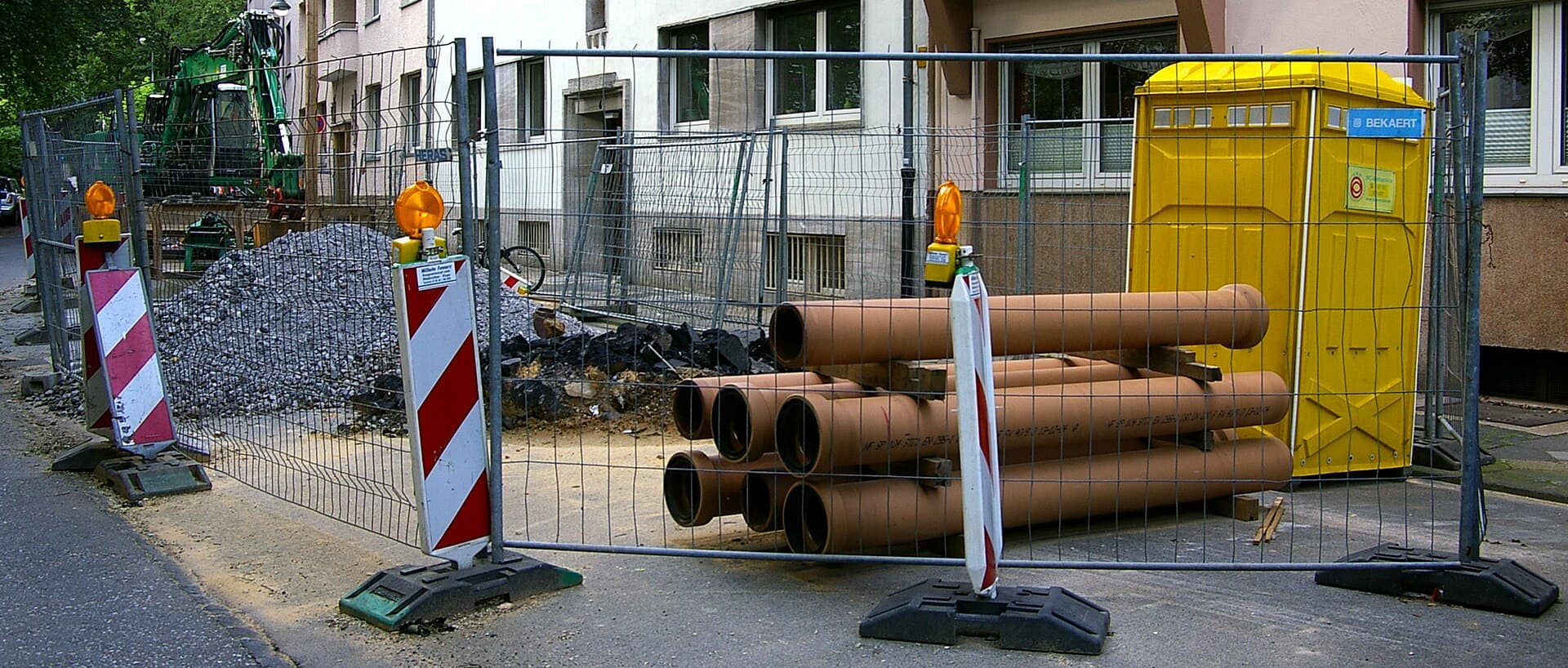
Temporary fencing on Australian building sites
How hoop-mesh hire fences actually work on suburban jobs — wind, shade cloth, pool-reno traps, and the difference between a site fence and a barrier that must still meet the rules.
Tom Laird · 3 September 2025
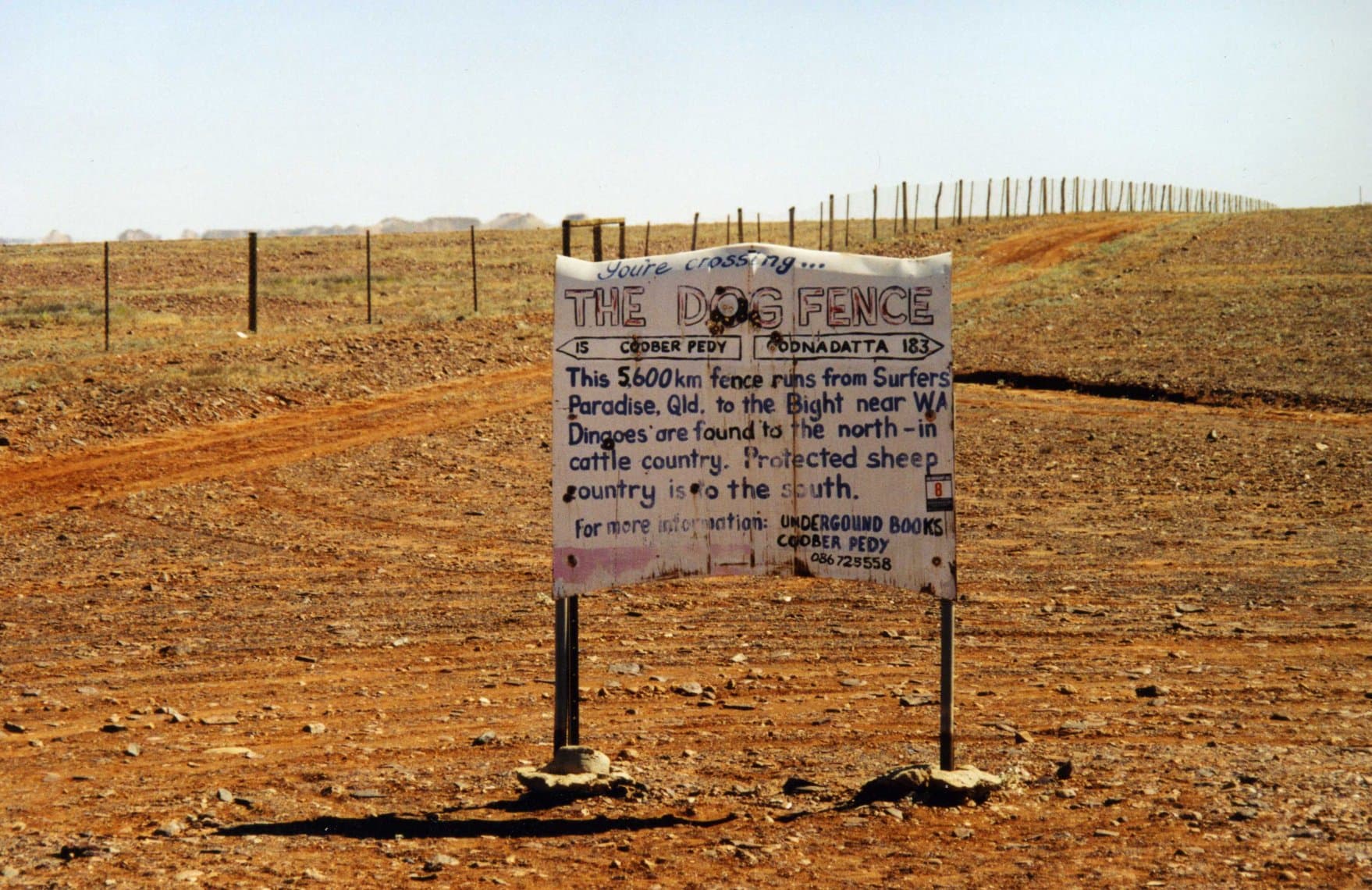
Choosing a fencing contractor — quotes, licences and what to compare
How to read a fencing quote in Australia, which licences actually matter, and the site questions that separate a proper crew from a cheap metre-rate.
Tom Laird · 31 March 2025