Masonry and rendered block fences in Australia
When a rendered block or brick boundary wall is worth the money in Australia — foundations, neighbours, council, and how masonry compares with lighter fences.
By Helen Crowe · 14 August 2025 · Updated 30 March 2026
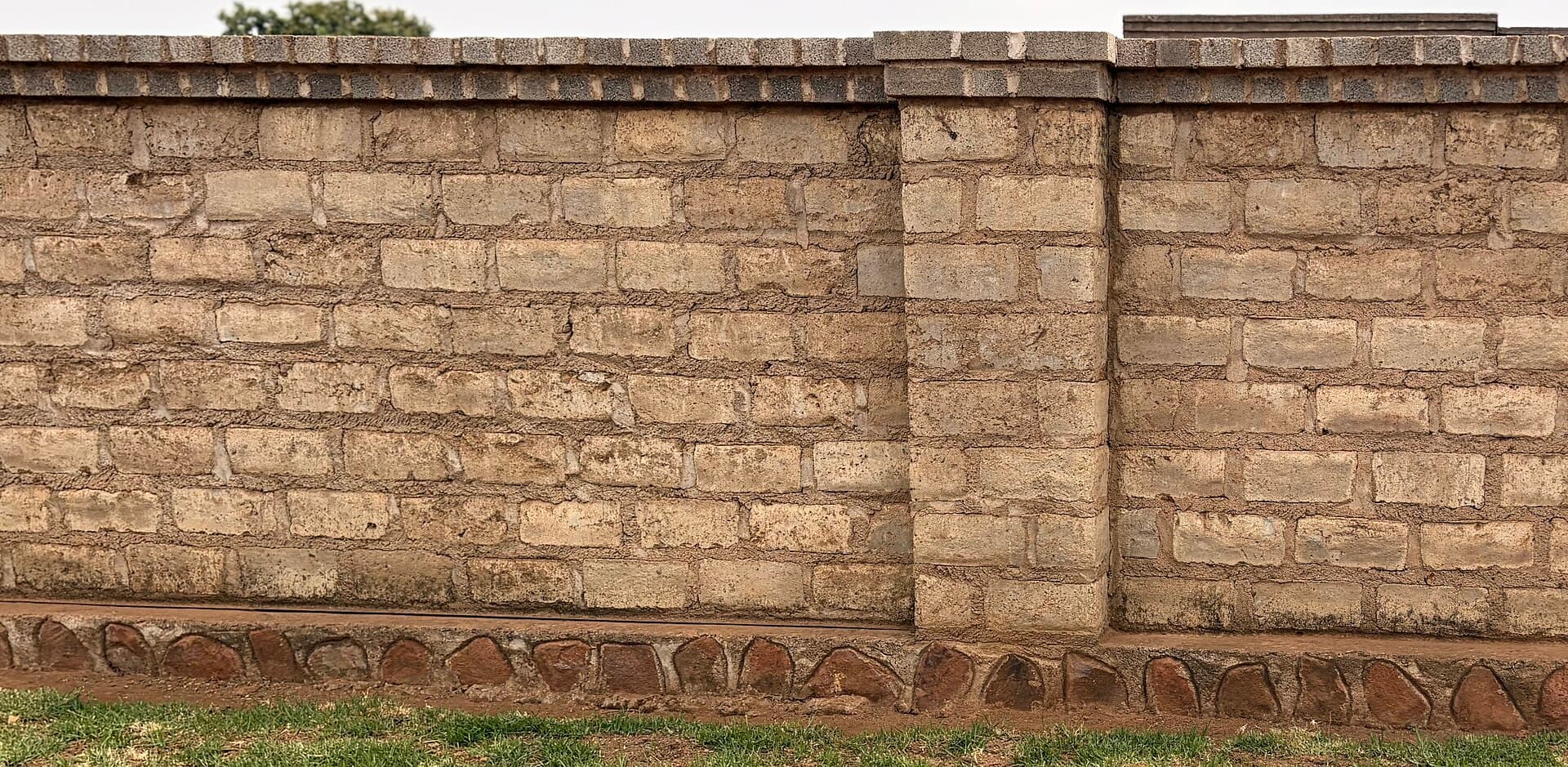
A masonry boundary wall is the fence you build when you have decided the line will still be there when the next two owners have come and gone. Brick, rendered concrete block, sometimes stone: it is heavier, dearer and slower than a paling or a COLORBOND® run, and it looks like it. Used on the right street — a brick Californian bungalow in Hawthorn, a limestone-and-render frontage in Cottesloe, a low piered wall in North Adelaide — it belongs. Used as a 2.1 metre stockade on a timber cottage, it looks like a loan.
This is not a product you buy by the pack. It is a small piece of building work that happens to sit on the boundary. The questions that matter are the footing, the neighbour, the council, and whether you actually need a wall or just a well-built fence.
Why Australians still build brick and block boundary walls
Masonry does three things lightweight fences cannot quite fake.
It has mass. Sound from a busy road, headlights, enclosure in a small courtyard: a wall changes the yard in a way a sheet cannot. It lasts, structurally, if the footing was honest. Render will need painting. The line should still be there. It is also how a lot of older Australian houses already meet the street — read the heritage and character notes before you swing at an old pier.
What masonry is not: a Saturday job, a cheap privacy fix, or a retaining wall in disguise. If the ground on one side is half a metre higher, you are holding soil. That is engineering and a different invoice.
Brick versus rendered concrete block
Face brick is the honest wall on a brick house. Match the brick if you can; a near miss is worse than a deliberate contrast. Piers with a steel, timber or aluminium infill keep the wall from becoming a bunker. On a Federation or interwar street, a low brick fence with a pipe rail or a simple steel infill is still one of the best frontages you can build.
Rendered block is the contemporary default: blocks, render, paint. It is quicker to a flat plane than brick, and it hides blockwork sins until the render cracks. Off-white looks grimy after the first westerly; deeper earth colours hide more and heat up more.
Bagged brick shows texture through a thin mortar coat. Stone — sandstone in Sydney, bluestone in Melbourne, limestone in the west — is easy to get wrong with a cladding that is only a tile. If you cannot afford real stone, a quiet render is more dignified than a fake. None of these should be run up off a paving slab because the slab was already there.
Foundations, clay soil and movement
Much of suburban Australia is reactive clay. Melbourne’s west, the Adelaide plains, western Sydney: the ground shrinks in a dry summer and swells when it rains. A long, unjointed masonry fence on a skinny footing is a ruler waiting to snap. Articulation joints and a footing with enough depth are not optional extras.
Sand wants a footing that does not dissolve at the edge. Rock wants a budget. A slope wants a stepped footing. Drainage matters as much as concrete: keep garden beds and irrigation off the base. A damp southern face in Brisbane will grow things you did not specify.
If the wall retains, stop calling it a fence. See the site preparation guide for the boring, essential work — services, levels, old footings — and get someone who designs retaining walls, not only someone who lays blocks.
Height, piers, privacy and the street
A low masonry fence, roughly in the range many councils treat as a straightforward front fence, can make a house look settled. A high solid masonry wall on the street is a planning conversation and a social one. Check the local scheme. I will not invent a clause number for your overlay.
On a side boundary, a taller masonry wall is how inner-suburban courtyards get privacy — and how you shade the neighbour’s winter veggie bed. Talk to them. Dividing-fences law is about sharing a sufficient fence, usually a basic paling, not compelling them to fund a rendered wall. If you want masonry, expect to carry the extra unless they are genuinely in. The longer version is who pays for a dividing fence.
Piers help a long wall stand up and give you somewhere to land a gate. Infill — steel, slats, timber — keeps the mass from becoming a prison. A masonry wall used as a pool barrier has to meet AS 1926.1 like any other barrier. A handy ledge for a pot plant is how those walls fail.
What masonry fences cost, and how they compare
Ranges, not promises. In the larger cities, a straightforward rendered block boundary wall often lands somewhere around $400 to $900 a metre installed, and it climbs quickly with height, piers, a sloping site, no access for a small truck, rock, or an engineered footing. Face brick and stone sit where the brick and the bricklayer sit that month. A paling or COLORBOND® fence, by comparison, is usually a few hundred dollars a metre less — see the fencing cost guide — because you are not buying a footing.
Time is part of the cost. A steel crew can be gone in a few days; a mason is on a different calendar. Masonry wins when you want permanence, mass, or a frontage that matches a brick house. Lightweight fences win when you want metres, speed, or a dividing fence the neighbour will share — COLORBOND versus timber is that comparison. Ask for the footing on the quote. A cheap metre rate that assumes a token trench in clay is not cheap.
Render, paint and living with a wall
Render will craze. Hairline cracks along joints are common; dirt will find them. A flexible, decent paint and an occasional recaulk of the articulation joints keep a wall looking cared for. A dark, heat-hungry colour on a long west wall in summer is a choice you will feel from the courtyard.
Do not plant thirsty shrubs in a sealed bed against the base, hang heavy planters off an unready pier, or let a tradie chase a service through a reinforced footing without a plan. If a crack opens and keeps opening, that is movement — get it looked at. A wall is allowed to be a building. It does not have to look like a freshly iced cake every August.
Use masonry when the house and the ground deserve it. Use a lighter fence when they do not. The most expensive wall in the street is the one that cracked because nobody paid for the part you cannot see.
Frequently asked questions
How much does a rendered block fence cost in Australia?
Treat any figure as a range. Many urban jobs land somewhere around $400 to $900 a metre installed, and they go up with height, piers, access, rock and engineered footings. If the wall retains soil, it is not a fence price at all. City and ground move the number; get quotes on your actual line.
Do I need an engineer for a masonry boundary fence?
If it is high, on a slope, in reactive clay, or holding back soil, treat it as a structure and involve someone who will put their name on the footing. A low dwarf wall on decent ground can be a simpler build, but that call belongs to the builder and, where required, the certifier — not to a hopeful sketch.
Will a rendered block fence crack?
It might. Australian clay moves, and render shows that movement. Articulation joints, a proper footing and a bit of drainage are how you keep cracks boring. Hairline crazing is common and manageable. A wall with no joints on a long clay boundary is the one that writes the next article for you.
Filed under Materials and styles. Corrections: contact the desk.
More in Materials and styles
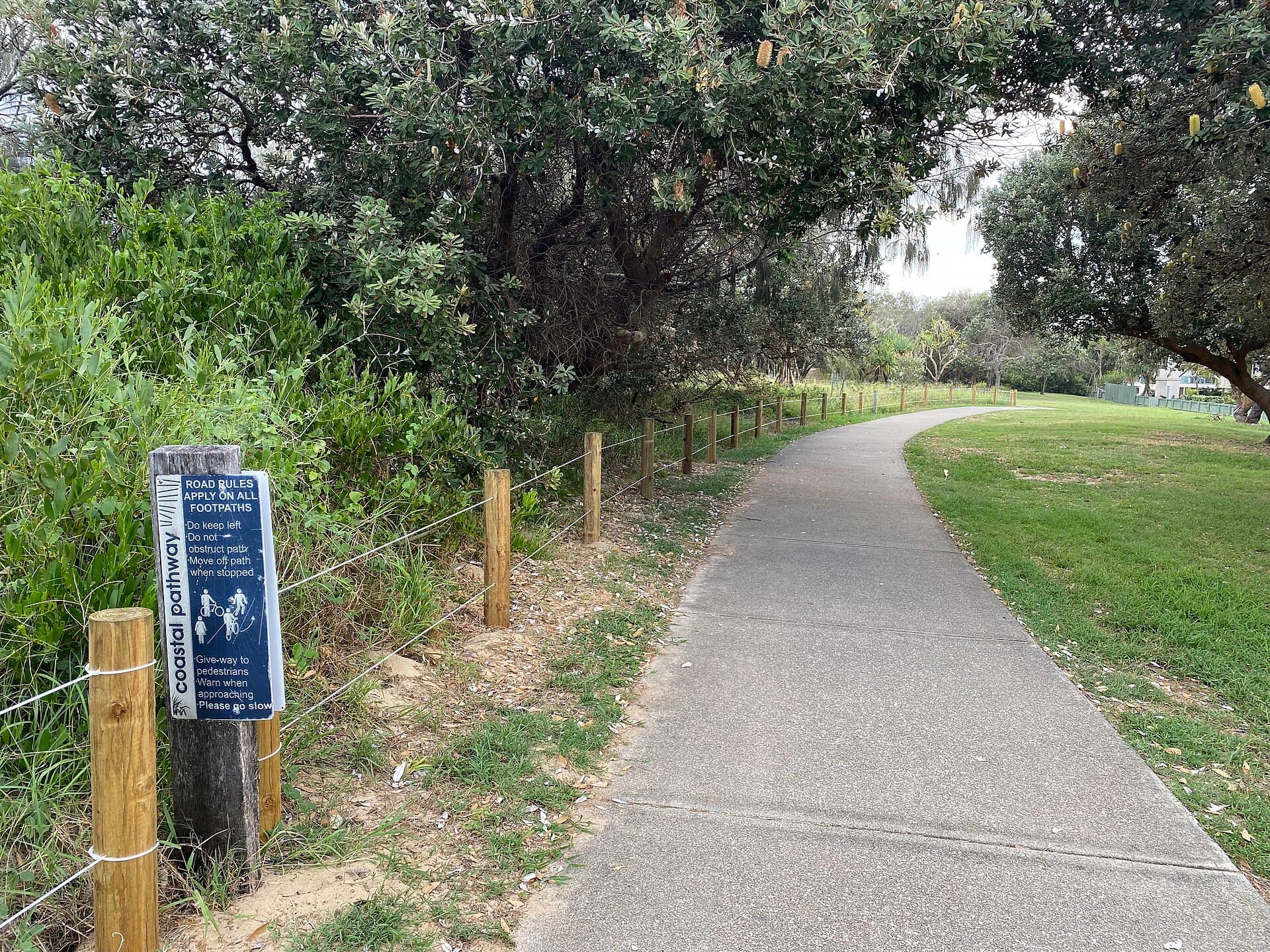
Coastal fencing that lasts in salt air and wind
Why seaside fences die from the bottom and the windward face — coatings, fasteners, marine-grade habits and what is worth paying for on an Australian coast.
Tom Laird · 9 July 2025
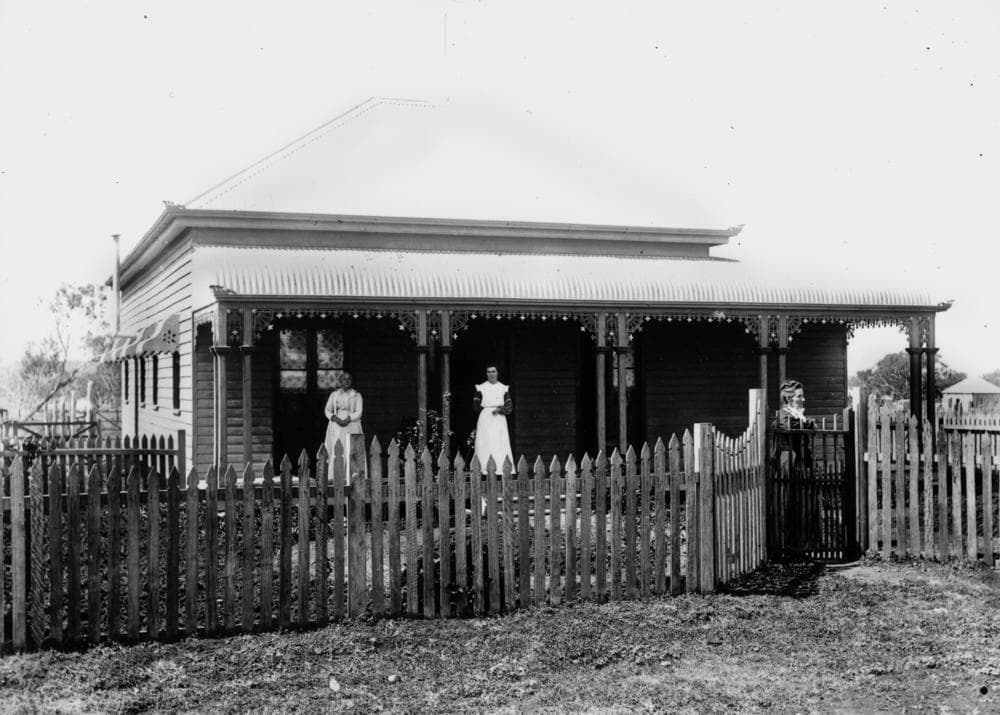
How long a treated pine paling fence lasts in Australia
How long a treated pine paling fence lasts in Australia, what kills it early — termites, wet posts, sun — and the maintenance that actually adds years.
Mark Denham · 3 July 2025

Aluminium slat fencing in Australia
Aluminium slat fencing explained for Australian homes — gap sizes, colours, coastal durability, typical cost ranges, and when slats beat COLORBOND or timber.
Helen Crowe · 19 June 2025