Aluminium slat fencing in Australia
Aluminium slat fencing explained for Australian homes — gap sizes, colours, coastal durability, typical cost ranges, and when slats beat COLORBOND or timber.
By Helen Crowe · 19 June 2025 · Updated 28 May 2026

Aluminium slat fencing arrived in Australian suburbs as the thing you put on a renovated weatherboard when you were tired of pickets and not ready for a solid steel wall. Horizontal boards, a dark powdercoat, a shadow line that makes a small courtyard feel considered: you can walk down a street in Brunswick, New Farm or Mount Lawley and date the renovations by the slats.
It is a real material, and it is easy to specify badly. Too wide a gap and you have bought a picture frame for the neighbour’s kitchen. Too cheap a powdercoat near the surf and you have bought chalking. Too flimsy a blade and the first basketball will leave a souvenir.
What is aluminium slat fencing, and what is it not?
An aluminium slat fence is a frame — usually aluminium posts and rails, sometimes steel posts — with flat or boxed aluminium blades fixed horizontally or vertically. The blades are powdercoated. The look is a series of lines, not a sheet and not a paling.
It is not a cheap COLORBOND® alternative. COLORBOND® is BlueScope’s pre-painted steel, and a steel sheet fence is a different product with a different price and a different job. Slats are closer, in spirit, to a screen: they play with light, they leak some air, and they show their quality in the thickness of the blade and the evenness of the gaps.
It is not automatically a pool barrier. Horizontal members can become a ladder. If the fence has anything to do with a pool, stop and read the pool rules before you fall in love with the elevation.
It is not maintenance-free in the magical sense. You will not oil it. You will still wash salt off it, and you will still notice a cheap coating on a north-west wall in Perth.
Horizontal versus vertical slat fences
Horizontal is the contemporary default. It widens a narrow side path, it matches stacking-door lines, and it photographs well. It also offers a foothold if the gaps and blade depths are wrong for a pool, a school, or a toddler you would rather not see on the capping. On a boundary that is only a garden screen, horizontal is fine. On anything climbable that must not be climbed, it is a design problem.
Vertical slats read as a calmer screen — closer to a palisade than to a display home. They show fewer dusty top edges and often hide a seated sightline better because the gaps do not line up with the horizon. A 1950s cream brick in Strathfield can take vertical slats between masonry piers. A new renovation in Marrickville will take horizontal ones without blinking.
Gap size, privacy and wind
This is the decision that matters more than the colour chart.
A wide gap — think 20 to 40 millimetres, or the generous spacing in a decorative front screen — gives you shade lines and no real privacy. Use it on a front fence where the council wants openness, or on a northern screen where you want winter sun.
A tight gap — down toward 5 to 15 millimetres, or a slat profile that overlaps the sightline — is how slats become a privacy fence. Stand on the deck, not in the showroom, and look through a sample. If you can read a number plate next door, it is not a privacy fence.
Wind is the other half. Slats leak air, which is why they behave better than a solid 2.1 metre sheet in a northerly. They still have a sail. Posts, footings and blade spans have to match the site. Coastal ridges, canal estates and anything above a retaining wall are not the place to guess the post centres.
For a dividing fence, remember that “pretty from our side” is not a legal category. The neighbour sees the same lines. Show them a sample in daylight.
Colours, powdercoat and coastal Australia
Dark bronze, charcoal and black have won the last decade, and they will show dust, water spots and every fingerprint on a gate latch. Lighter greys and warm bronzes are kinder in a high-UV street and less of a heat sink against a small courtyard. Match the window frames if the house already has a language; do not invent a fourth dark metal.
Powdercoat quality varies. Ask what system is being used, whether the aluminium was pre-treated, and what the coating warranty actually says about chalking and fading. Warranties are not all written for a house 200 metres from breaking surf at Cottesloe or Coolangatta.
Aluminium’s great coastal trick is that it does not rust the way steel does. That is why slats, and aluminium pool fencing, turn up along the Australian edge. Fasteners still corrode. Dissimilar metals still bicker. A steel screw in an aluminium blade in salt air is a small science experiment. Specify stainless or the fastener the system designer named, and read the coastal fencing notes if you can taste the sea from the backyard.
Bushfire country is a different test. Aluminium melts at temperatures that steel laughs at. If you are in a designated bushfire-prone area, ask the building surveyor what is actually allowed on that boundary before you order a decorative screen.
How much does slat fencing cost, and when is it worth it?
Treat every figure as a range. Installed aluminium slat fencing for a typical residential height often lands somewhere around $200 to $450 a metre in the larger cities, and it can run higher for custom colours, very tight gaps, extra-thick blades, or a site the truck cannot reach. Gates, especially wide driveway sliders, are their own invoice. Ground, access and demolition move the number just as they do on a paling job — the fencing cost guide is the place to see those extras in context.
Slats are worth it on a frontage that must stay partly open, a courtyard a solid wall would kill, a coastal garden, or a renovation whose windows already speak in horizontal lines. They are not worth it on a long side boundary you will barely look at — use COLORBOND® or paling there — or as a pool barrier unless the system is certified for that job. Thin blades dent. A cheap slat fence is almost always a thin slat fence. Name the blade size, gap, powdercoat, post centres and gate hardware when you compare quotes.
Installation details that separate a screen from a wobble
Look at the posts: aluminium or steel sleeved in a cover are both fine; undersized posts on a 2.1 metre run are not. Concealed fasteners look cleaner; visible stainless screws are easier to repair. Keep the bottom blade out of wet mulch with a clearance or kick rail. A slat fence dies at a sloppy corner. And slats do not excuse a fence that is off the survey — if the old paling leaned into the neighbour’s tomatoes, the new line should not follow the lean.
Frequently asked questions
How much does aluminium slat fencing cost in Australia?
Installed residential slat fences often come in somewhere around $200 to $450 a metre, and they can cost more for tight gaps, custom powdercoat, chunky blades or difficult access. Gates change the maths. City, ground and the length of the run all move the figure, so treat any advertised metre rate as a starting range.
Are aluminium slats good for privacy?
They are as private as the gap. Wide decorative spacing is a front-fence look, not a backyard screen. Tight horizontal slats, a deeper blade, or vertical slats that break a seated sightline can work well and still let breeze through. Test a sample from the place you actually sit.
Do aluminium slat fences rust near the coast?
Aluminium does not rust like steel, which is the point of taking slats to the beach. Powdercoat, cut ends and fasteners still need a coastal-grade specification. Ask what hardware is being used, and wash the salt off now and then. That is maintenance, not a failure of the idea.
Filed under Materials and styles. Corrections: contact the desk.
More in Materials and styles
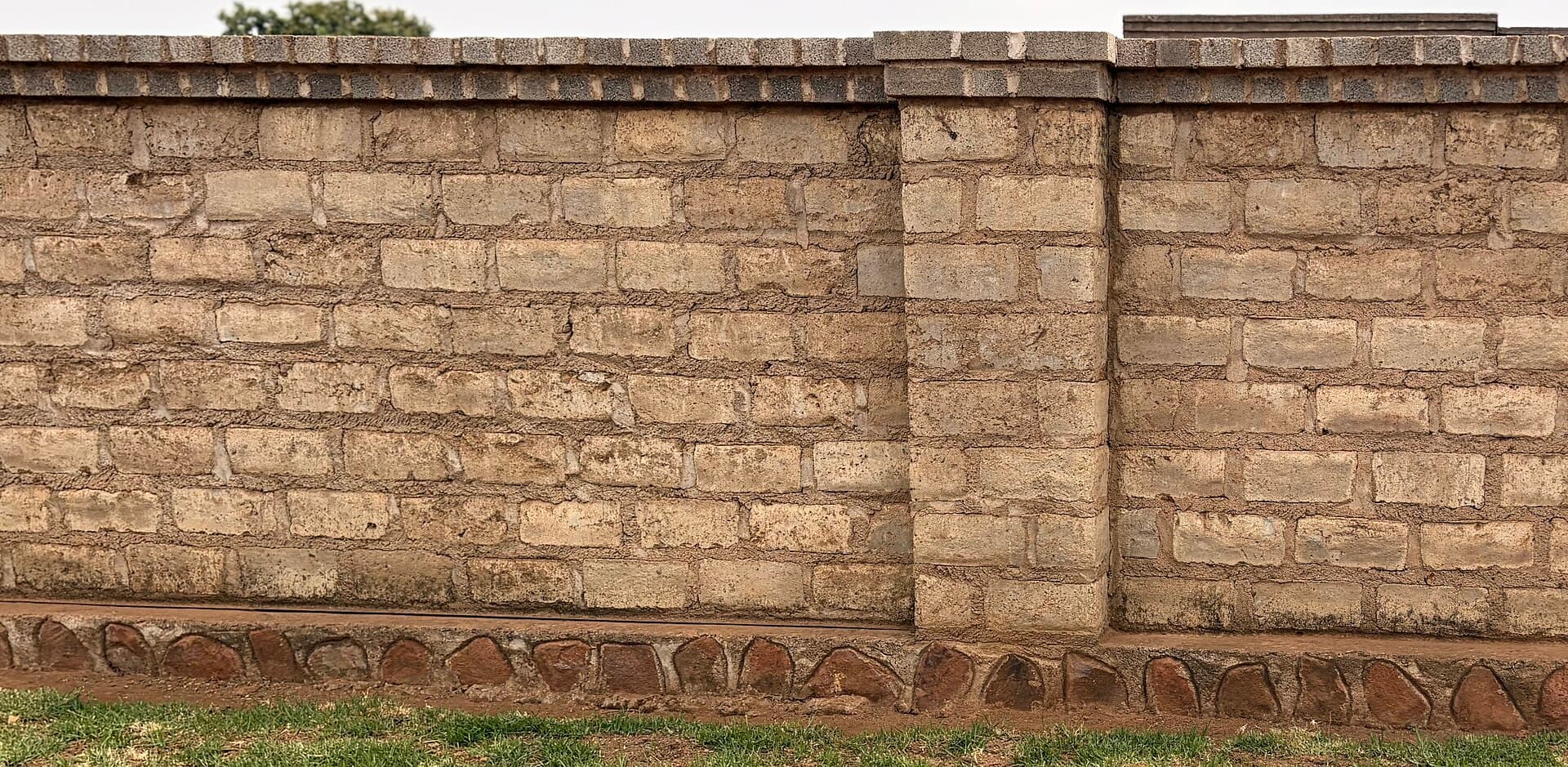
Masonry and rendered block fences in Australia
When a rendered block or brick boundary wall is worth the money in Australia — foundations, neighbours, council, and how masonry compares with lighter fences.
Helen Crowe · 14 August 2025
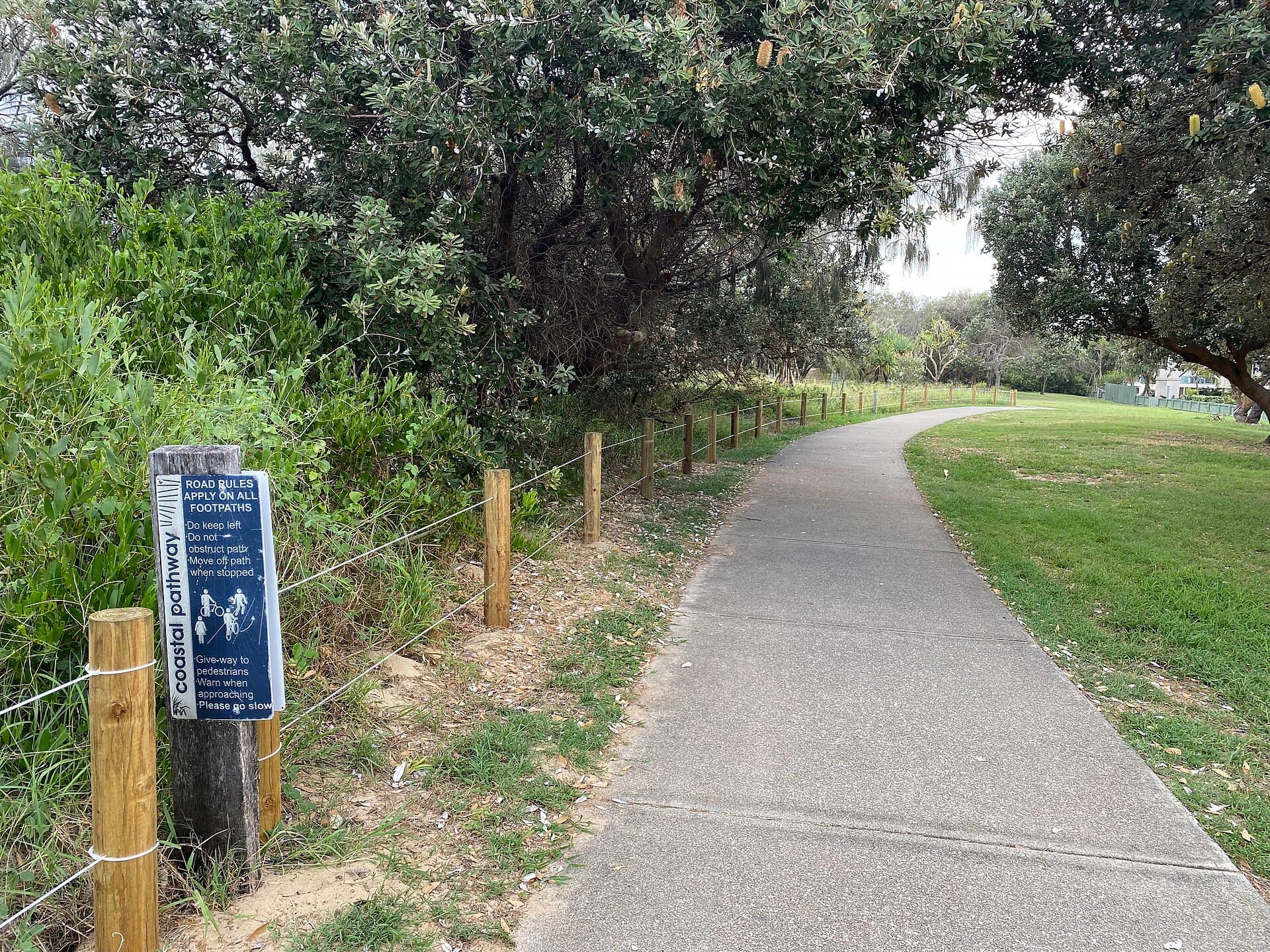
Coastal fencing that lasts in salt air and wind
Why seaside fences die from the bottom and the windward face — coatings, fasteners, marine-grade habits and what is worth paying for on an Australian coast.
Tom Laird · 9 July 2025
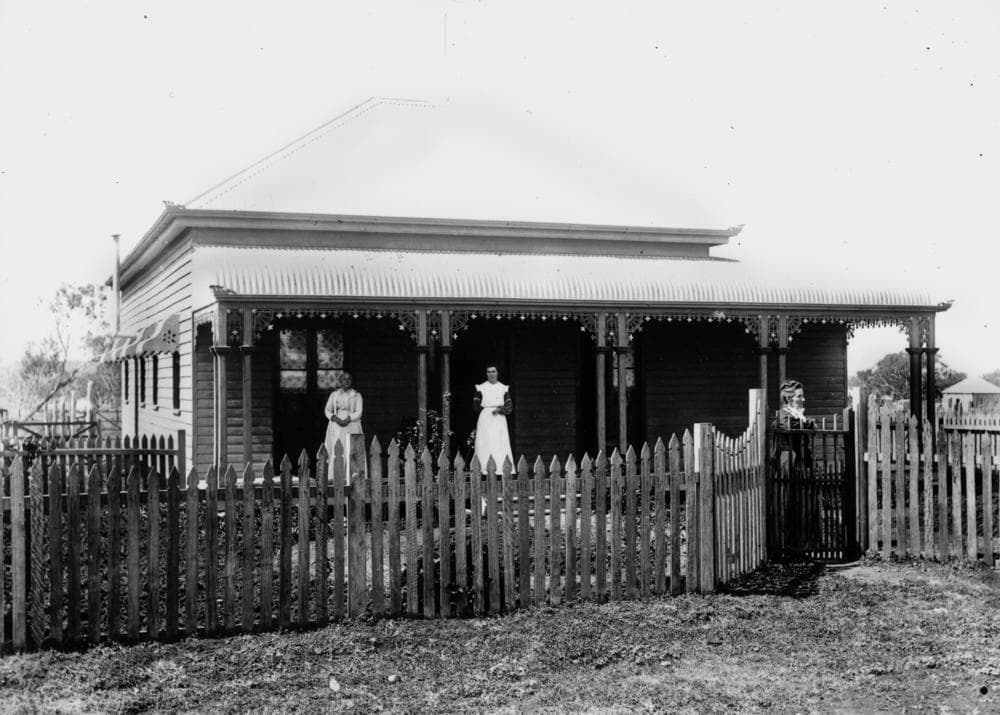
How long a treated pine paling fence lasts in Australia
How long a treated pine paling fence lasts in Australia, what kills it early — termites, wet posts, sun — and the maintenance that actually adds years.
Mark Denham · 3 July 2025