Glass pool fencing in Australia — cost, frameless detailing and inspection
What frameless and semi-frameless glass pool fences actually cost to own, why hardware and gates decide the quote, and how to get a glass barrier through an Australian inspection without treating the brochure as a certificate.
By Priya Nair · 2 April 2025 · Updated 19 June 2026
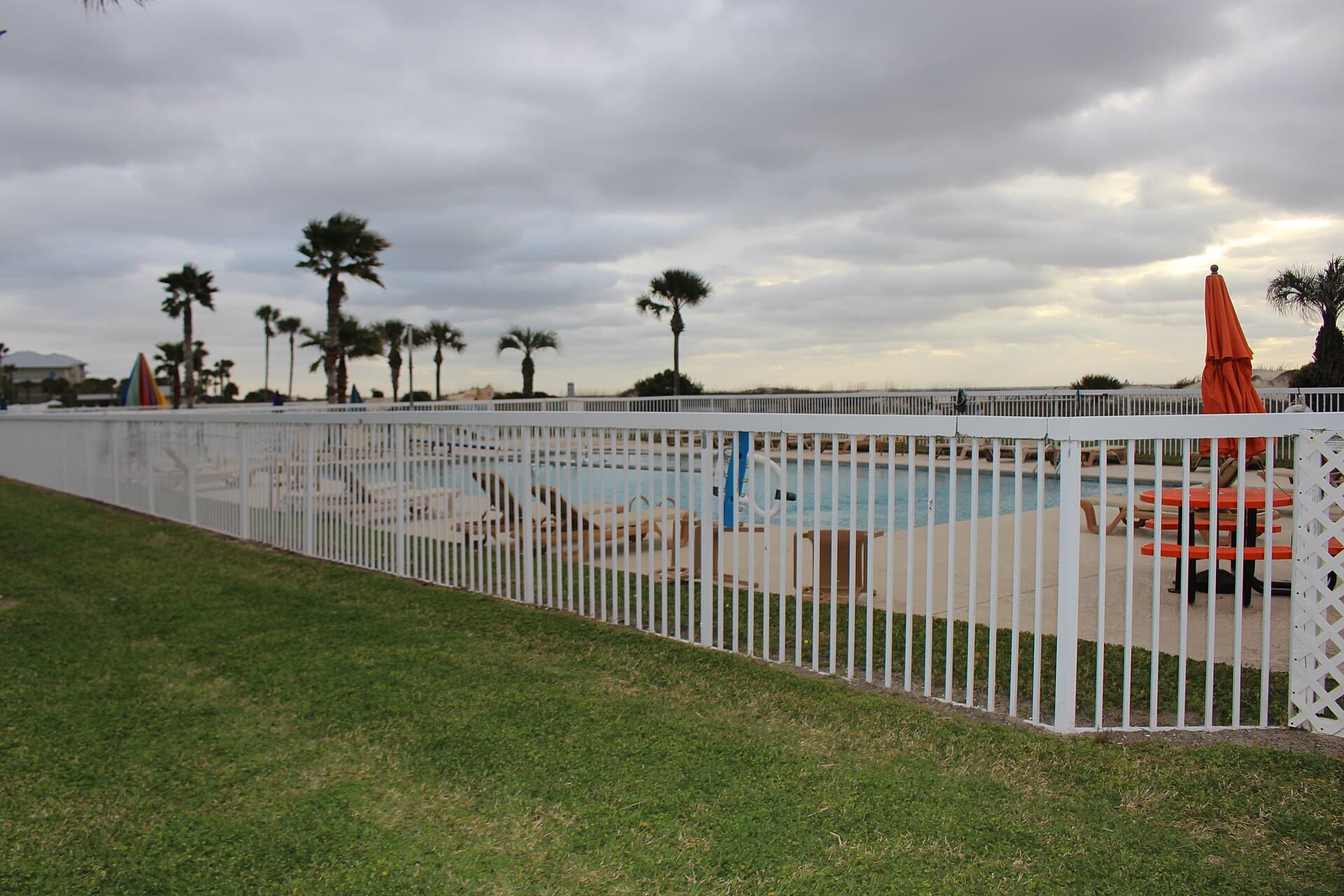
Glass around a pool is sold as a view. Inspectors treat it as a wall that happens to be transparent. That difference in attention is why so many handsome installations fail their first certificate, and why the cost of glass is never only the cost of the panels.
A glass barrier still has to satisfy AS 1926.1 — about 1200 millimetres high, openings no more than 100 millimetres, an outward-opening self-closing gate, a latch that sits high or shielded, and a non-climbable zone. The Standard does not award extra marks for frameless spigots. It does notice a gate that drifts open in a northerly, and a dining bench pushed back against the glass.
This is not legal advice. Glass products, fixing methods and inspection settings vary by state. Read the Act that applies to your pool, then have the finished run certified locally.
What glass pool fencing actually costs
Australian glass-barrier quotes are usually given per lineal metre installed, and they move with access, wind rating, glass specification, hardware grade and how many corners the setter has to work. As a conservative briefing, homeowners commonly see mid-to-high hundreds of dollars a metre for a competent semi-frameless run on a straightforward suburban block. Frameless systems, marine-grade stainless, structural interlinking, night lighting and a steep side access sit higher — sometimes a lot higher. A single certified gate can cost as much as several metres of panel.
Treat those bands as a way to read a quote, not as a price list. Labour in a capital-city inner ring is not labour in a regional town. A pool on a cliff at Freshwater is not a pool on a slab at Springfield. If you want a sense of how fencing prices sit across materials, our broader Australian fencing-cost guide is the context; glass is the premium end of that conversation.
Ask the quote to split panels, spigots or channels, gates, latch, freight, waste, and certification. A single headline rate hides the parts that fail. It also hides whether the installer intends to stand there when the inspector arrives. A contractor who can show licences, insurance and a pathway to a certificate is worth more than a cheaper metre.
Ongoing cost is real. Stainless stains near the coast. Hinges slacken. Glass needs a mineral-cleaner habit if you do not want it to look like a shower screen. A timber or steel fence weathers; glass shows every thumb.
Frameless, semi-frameless and framed glass
Frameless glass stands on spigots or in a channel, with the least metal in the view. It is the look most brochures sell. It is also the least forgiving of sloppy set-out. Spigots that are out of line telegraph. A bottom gap that creeps past 100 millimetres is obvious because there is no rail to hide it. Wind load on a tall frameless panel is not a DIY problem.
Semi-frameless uses posts at intervals, sometimes with a slim top rail. It is usually kinder to a budget and to a slightly uneven coping. The posts are climbable if they are detailed badly — horizontal members on the outside face, decorative rails a child can toe — so the non-climbable zone still applies.
Framed glass, closer to a window wall, is less fashionable and often easier to get tight at the bottom. Fashion is not a Standard.
Whatever the system, the glass itself needs to be the safety glass specified for the job, and the fixings need to match the substrate. Coping that sounds hollow, a cantilevered terrace, or a first-floor deck will change the engineering. Do not let a domestic fencer “make it work” with longer dynabolts. If the installer cannot tell you what they are fixing into, stop the job.
Gates, latches and the inspection
On glass, the gate is a piece of glass with a closer. That closer is doing all the safety work. Magnetic latches, mounted high or shielded so a small child cannot work them from outside, are now the usual hardware. They still have to sit at the Standard’s latch height — typically about 1500 millimetres, or shielded — and the gate still has to open away from the water and self-close from any standing position.
Inspectors start at the gate. They hold it barely open and let go. They open it fully and let go. They lift it to see whether the latch still catches. They look at the gap under the swing. Our note on pool gates that fail inspection is worth reading before the inspector is in the driveway.
Then they walk the glass. They look for a panel that has moved in the spigot. They look for a gap at a step in the coping. They look for a pot plant, a pizza oven, or a daybed inside the non-climbable zone. They look at where the glass meets the house, and whether a stacker door has been left as the only barrier on that side. Glass makes those junctions look intentional. The tape does not care.
Certificate life is a state setting, not a glass setting. New South Wales and Queensland both expect pools to carry a current certificate, and both treat sale and lease as moments when a missing paper becomes expensive. Other jurisdictions have their own clocks. Do not guess the interval. Ask the authority that issued the last certificate, and book the next inspection before the paper expires.
Designing glass so it still works in five years
A glass barrier is only as good as the ground it stands on and the habits around it. Leave a clear outside zone. Do not design a built-in bench that kisses the glass. Do not run a narrow path that invites pot plants against the panels. If the barrier is also a boundary, glass on the line is a neighbour conversation, not just a style choice — the extra cost of barrier detailing is, in ordinary practice, a pool-owner cost.
Think about how people actually move. The gate that looks elegant opposite the kitchen will be the gate that is propped open when someone carries a platter. Put the gate on the path people already use, give it a closer that can handle a sea breeze, and keep the latch out of toddler reach. If you need a second opening for furniture, build a second certified gate. Do not leave a “temporary” panel that lifts out.
Maintenance is inspection. Once a season, walk the outside with a tape. Check every closer. Rinse the stainless. Look at the substrate for cracks around spigots after a hot summer. Glass does not rot, but concrete does move.
The rest of our pool-barrier writing is about the Standard and the neighbour, not the showroom. Use glass if you want the water to remain part of the garden. Then pay for the parts you cannot photograph.
Frequently asked questions
How much does glass pool fencing cost in Australia?
Installed glass barriers are commonly quoted in the mid-to-high hundreds of dollars per lineal metre, with frameless runs, stainless hardware, lighting and difficult access sitting higher. A certified gate is often a large line item on its own. Treat any figure as a local quote, not a national price list. Ask for a split between panels, fixings, gates, waste and certification, and compare it against other materials in a proper fencing budget rather than against a brochure.
Is frameless glass harder to get through inspection?
The Standard does not prefer frames. It prefers geometry. Frameless glass fails when the bottom gap opens past 100 millimetres, when a gate does not self-close from every position, when the latch is reachable, or when furniture sits in the non-climbable zone. A framed run with the same faults fails for the same reasons. What frameless does do is make those faults visible, which is an argument for a careful setter, not an argument against glass.
How often should a glass pool fence be inspected?
Whenever your state requires a certificate to be renewed, and whenever you notice a gate that no longer slams, a spigot that has moved, or a panel that sings in the wind. Sale, lease and a new spa are the usual extra triggers. Certificate life differs between New South Wales, Queensland and the other jurisdictions — do not import a number from a Facebook group. Check the current interval with the authority that registers the pool, and walk the fence yourself between official visits.
Filed under Pool barriers. Corrections: contact the desk.
More in Pool barriers
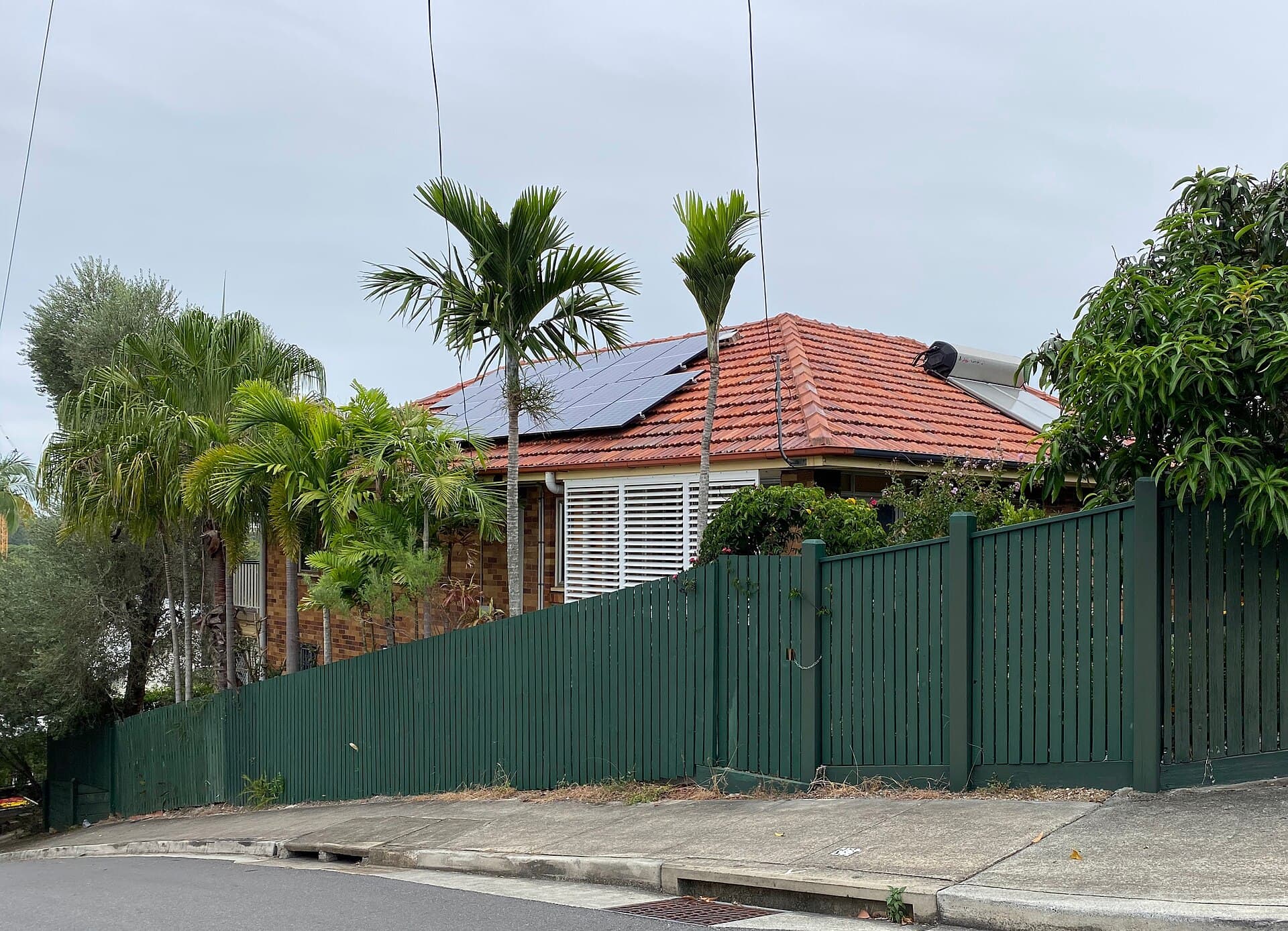
Dividing fences that double as pool barriers in Queensland and New South Wales
When a neighbour fence is also the pool fence, cost-sharing changes. A conservative reading of “sufficient” versus barrier, NSW swimming-pool practice, and Queensland’s user-pays approach including Form 39 notices.
Priya Nair · 9 June 2025
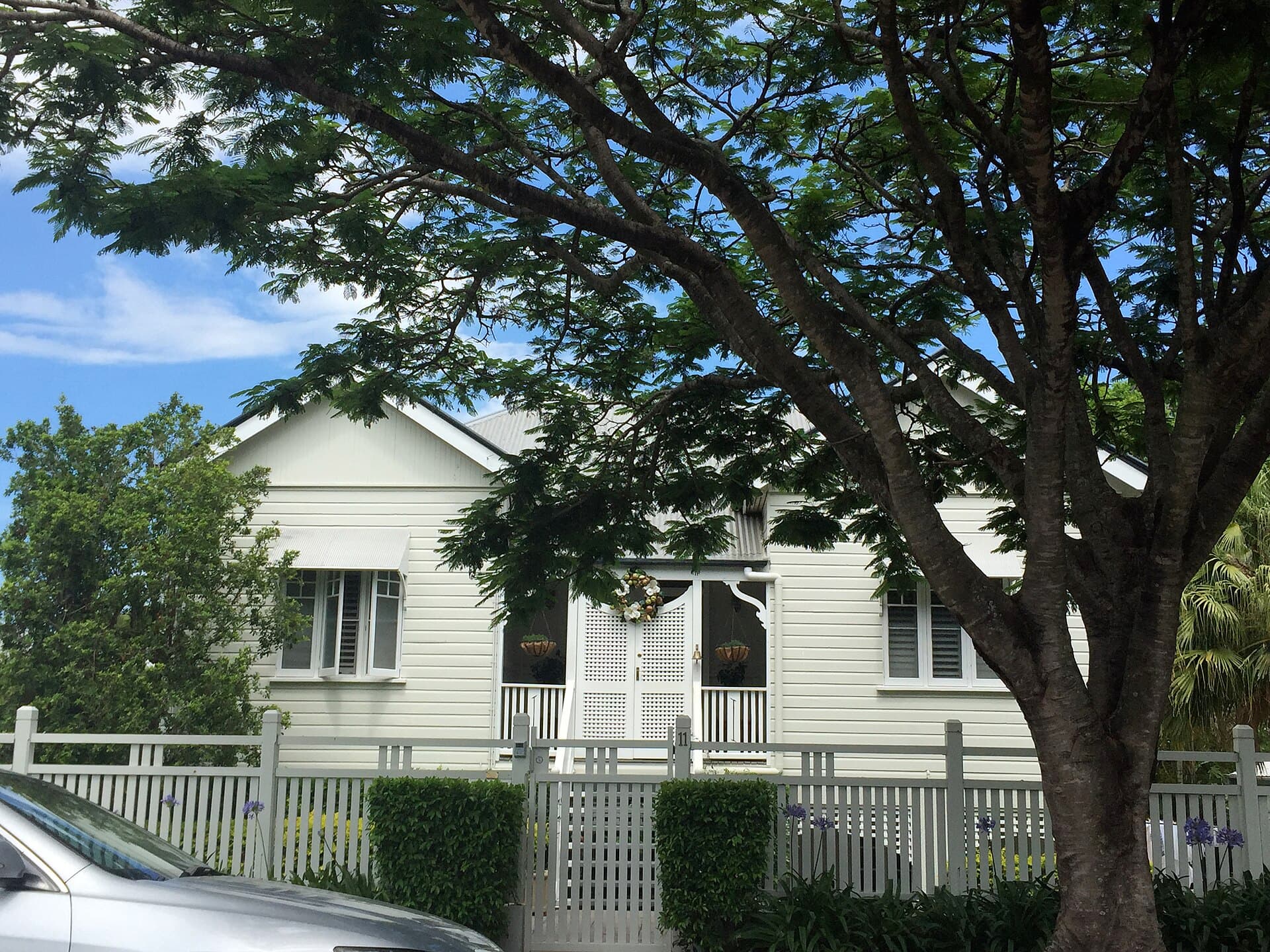
Why Australian pool gates fail inspection — closers, latches and height
Inspectors start at the gate. A practical walk through self-closing, self-latching, outward swing, latch height and the gaps that open after a wet winter — and how to fix them before a reinspection.
Priya Nair · 21 May 2025
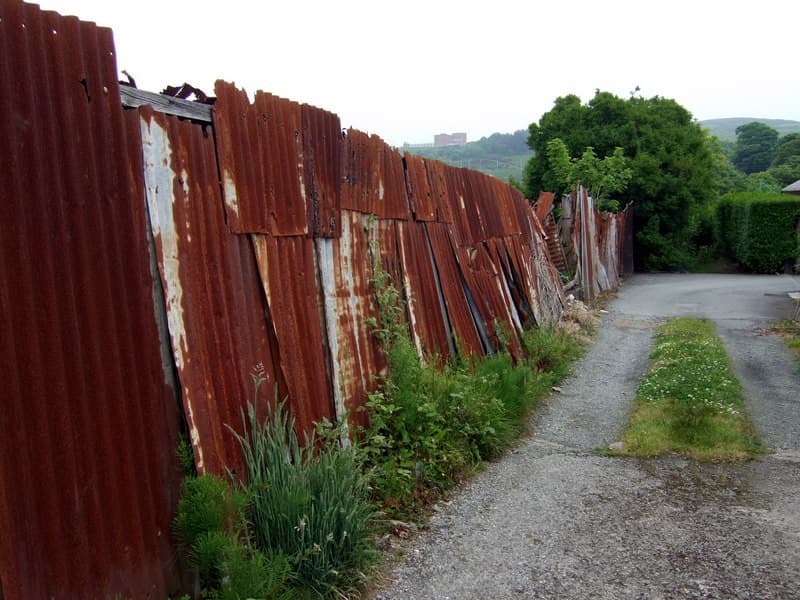
When a COLORBOND® boundary fence is also the pool barrier
A COLORBOND® steel dividing fence can serve as a pool barrier, but only if height, gaps and the non-climbable zone still work on the neighbour’s side. A conservative guide to profiles, footholds and who pays for the upgrade.
Priya Nair · 18 March 2025