Retaining walls versus fences — who pays when the land has been cut
A retaining wall holds earth. A dividing fence holds a conversation. When the two are stacked on one boundary, cost, engineering and notices split. A conservative Australian briefing, including storm damage.
By Priya Nair · 17 July 2025 · Updated 22 April 2026
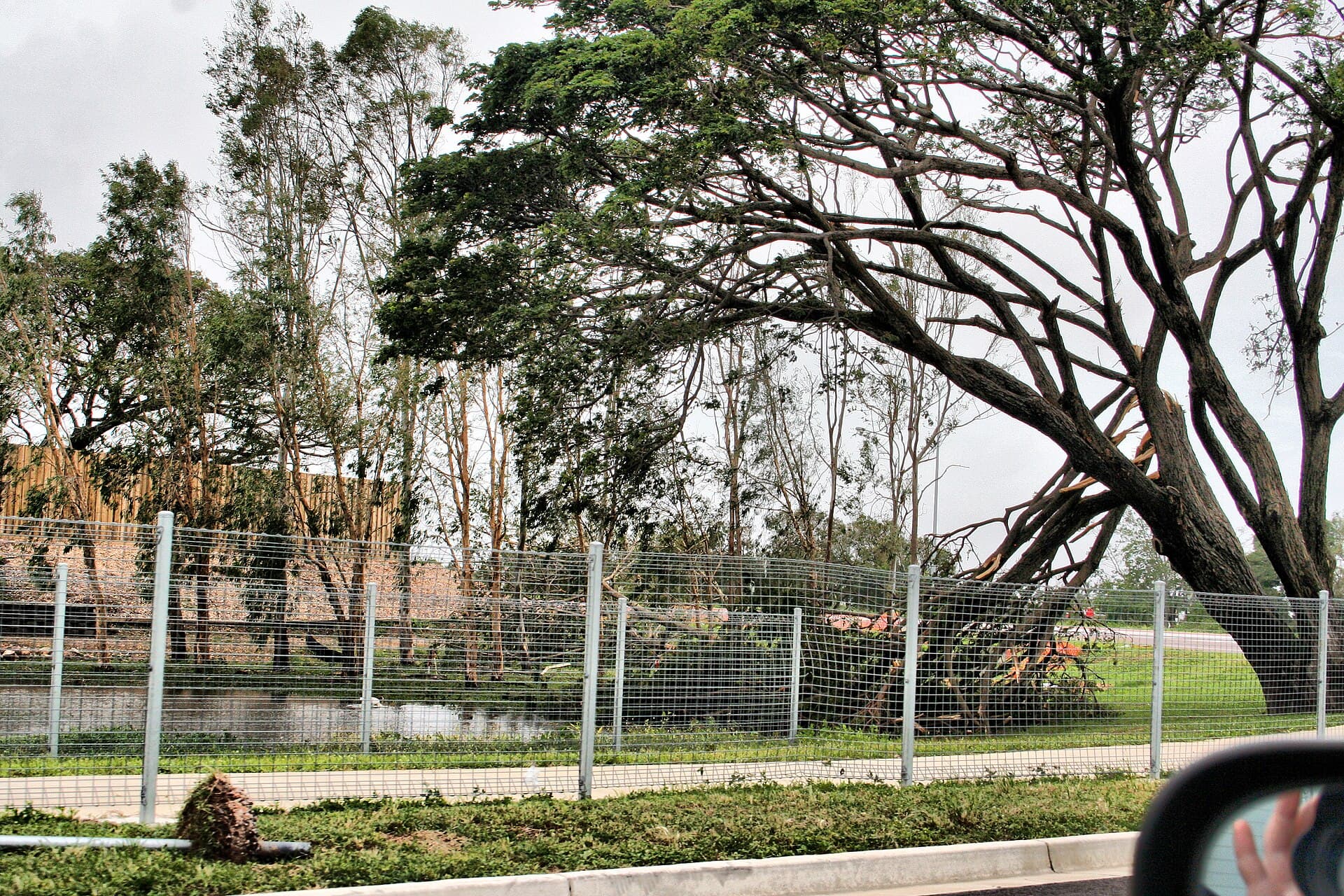
A fence keeps chickens, dogs and eyes where you want them. A retaining wall keeps a hillside from arriving in the kitchen. Australians stack the two on the same boundary because blocks are cut, filled and sold as “level”, and because a paling looks unfinished until it sits on something. The law, and the engineering, still treat them as different jobs.
Dividing-fences Acts are about a sufficient fence and about notices between neighbours. They are not a spare set of rules for structural masonry. If you ask a tribunal to split the cost of a wall under a fencing notice, you may be told — politely — that you have brought the wrong stationery. This is a conservative briefing on how to keep the jobs separate, and how to talk about money when they cannot be. It is not legal advice. Engineering thresholds, council approvals and the wording of each state’s Act differ. Read those before you excavate.
A wall holds earth; a fence holds a line
The test is function. If the structure’s purpose is to resist the lateral pressure of soil — a cut for a house pad, a filled terrace, a driveway dropped below the neighbour — it is a retaining wall. If its purpose is to mark the boundary and provide ordinary separation, it is a fence. A timber sleeper stack is still a wall. A COLORBOND® sheet — COLORBOND® is a BlueScope trademark — bolted to the top of that stack is still a fence.
Height is a clue, not a definition. Councils commonly want approval or engineering once a wall reaches a certain height, but that trigger varies, and this journal will not invent a number that your planning scheme does not use. A low garden edge can still be a wall if it is holding a filled lawn. A two-metre paling is still a fence if the ground on both sides is at the same level.
When the ground is not at the same level, ask who made it so. The owner who cut their block down, or filled it up, has usually created the need for the wall. That owner is, in ordinary practice, the first person to look to for the cost. The neighbour who simply kept their original ground may owe a share of a sufficient fence on top, and nothing for the wall that made the fence possible.
Our piece on who pays for a dividing fence is the briefing for the paling. This piece is the briefing for everything underneath it.
Who pays, and how to write it down
There is no single Australian slogan that survives contact with a cut-and-fill estate. The useful questions are factual. Who altered the level? Whose house pad benefits? Was the wall built with the original subdivision, or by a later owner? Is the wall wholly on one title, or does it straddle? Is there an old agreement, a development condition, or an easement?
If you created the change of level, budget to own the wall. If both households filled toward the middle, a written 50/50 on the wall can be fair. If the wall was built by a developer and is now failing, the conversation may involve the original drawings, not the neighbour’s mailbox. If you cannot tell, commission an engineer and a surveyor before you commission a lawyer.
A fencing notice is the wrong tool for a wall, and the right tool for a fence that will sit on it. Serve the notice for the fence. Put the wall in a separate letter, with a separate quote, and a separate offer. Tribunals can still help when neighbours are stuck — neighbourhood-dispute frameworks in several states reach structures other than fences — but they help faster when you have not muddled the jobs.
Survey the line before you assume the wall is on the boundary. Plenty of “boundary walls” sit wholly on one lot, built by an owner who wanted the extra width. Rebuilding that wall as a shared object is a gift you should only make on purpose.
Combined structures, pool barriers and engineering
A fence on top of a wall is a combined structure. The wall has to be designed for the extra wind load, the extra dead load, and — if anyone will climb it — the extra live load. A sleeper wall that was adequate as a garden edge may be inadequate as a base for a 1.8-metre steel fence in a south-easterly. An engineer’s letter is cheaper than a lean.
If the combined structure is also a pool barrier, the Standard does not relax. AS 1926.1 still wants effective height measured on the approach side, openings no more than 100 millimetres, a non-climbable zone, and a proper gate. A wall that a child can use as a step can steal the height of an otherwise legal fence. The approach side may be the neighbour’s terrace. Look there.
Do not sit new posts into someone else’s wall without agreement and without knowing what the wall is made of. Core-drilling a block wall to take a post can ruin both jobs. Brackets, independent posts on your land, or a barrier stepped inside the line are the conservative options.
Council will want to see retaining work that changes levels near a boundary, especially if it affects overland flow. A wall that throws the neighbour’s stormwater into their laundry is not a fencing problem. It is a drainage problem that will outrank the paling.
Storms, trees and the bill after a failure
Cyclones, east-coast lows and a single falling eucalypt do not read Acts. They do distinguish, after the fact, between a fence that can be rebuilt under dividing-fences rules and a wall that needs an engineer. After a storm, photograph everything before you clear it. Note which way the wall rotated. Note whether the fence came off the wall or took the wall with it. Insurance will ask. So will the neighbour.
A sufficient fence that has blown over is, in ordinary practice, a shared rebuild — unless one household’s tree, or one household’s unconsented excavation, caused the failure. A wall that has rotated because a later owner surcharged it with a spa, a driveway, or extra fill is not a shared morality tale. It is a cause-and-effect story for an engineer.
Price both jobs against current labour, not against the original builder’s handshake. Our fencing-cost guide will not price a wall; a structural quote will. Do not let a fencer “do some sleepers while we’re here” unless they are qualified to retain earth.
The rest of our neighbours-law journal is about notices and lines. Keep this distinction in your head and most of those notices stay short: the wall is yours if you cut the land; the fence is ours if we both need it; the engineer is not optional.
Frequently asked questions
Is a retaining wall a dividing fence?
No. A retaining wall holds soil. A dividing fence marks a boundary and provides ordinary separation. Tribunals and councils treat them as different structures even when a paling or a steel sheet sits on top of the wall. Cost-sharing rules for a sufficient fence do not automatically apply to the wall, and a fencing notice that only describes “new sleeper wall and colorbond” is asking for trouble.
Who pays for a retaining wall on the boundary?
Often the owner who created the change of level, or who benefits from the retained land. That is a facts question — who cut, who filled, who built the house pad — not a slogan you can copy from a group chat. Some neighbours agree to share a wall that serves both lots. Get that agreement in writing, with drawings, and keep it separate from the fencing notice. If you cannot tell who made the level, pay an engineer before you pay a solicitor.
Can I sit a new fence on my neighbour’s retaining wall?
Not without agreement, and not without knowing whether the wall was designed for a fence load. Posts, wind and a child climbing a barrier are extra forces. If the wall is also doing pool-barrier work, AS 1926.1 still applies — height, gaps, non-climbable zone, outward-opening self-closing gate. The conservative path is independent posts on your land, or a barrier stepped inside the line, until an engineer and the neighbour have both said yes.
Filed under Neighbours and the law. Corrections: contact the desk.
More in Neighbours and the law

Heritage and character fencing in older Australian suburbs
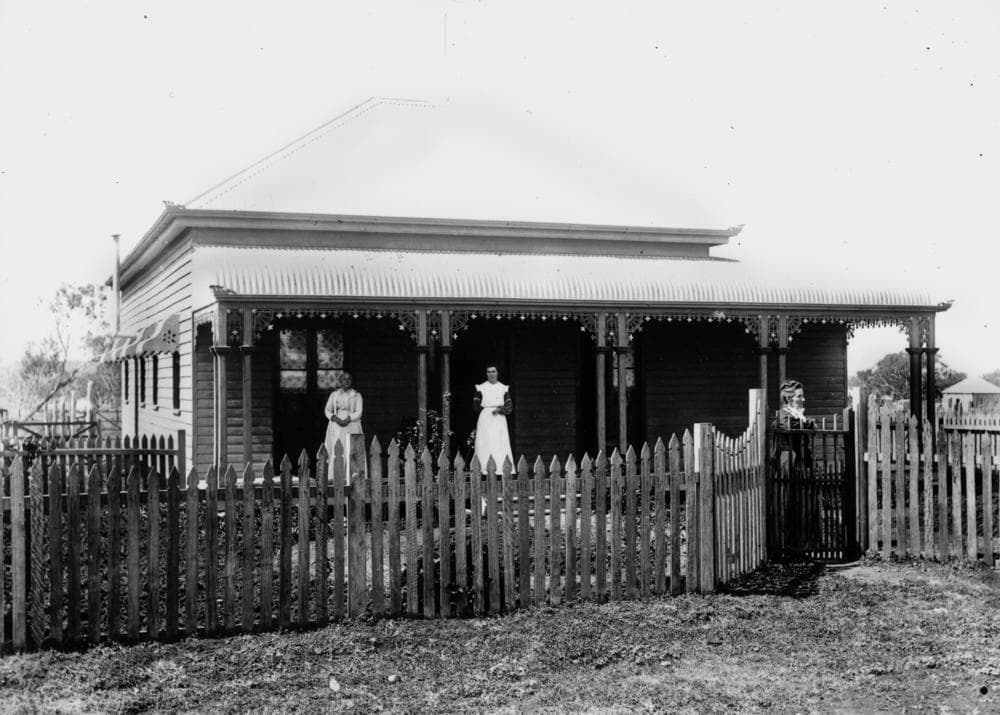
Front fences in heritage streets and character overlays are a planning problem before they are a fencing problem. A practical briefing on pickets, height, COLORBOND®, and how to talk to council without inventing a DCP clause.
Priya Nair · 28 August 2025

Boundary fence disputes — surveys, encroachment and the line you thought you owned
When the posts do not match the title, stop building. A practical Australian briefing on identification surveys, encroachment, fence lines that have “always been there”, and how to keep a dispute from outrunning the land.
Priya Nair · 27 March 2025
Dividing fences law in Australia — who pays, and how the notice works
Neighbours usually share a sufficient dividing fence. A careful, state-aware briefing on fencing notices, contribution, and the jobs a fence is not — pool barriers, retaining walls, heritage fronts — without pretending this is legal advice.
Priya Nair · 30 January 2025