Ringlock and hinge-joint mesh for Australian farm fencing
When sheep, lambs and mixed livestock need a mesh skirt rather than plain wire — how ringlock and hinge-joint differ, where they fail, and what they tend to cost.
By Mark Denham · 24 April 2025 · Updated 19 May 2026
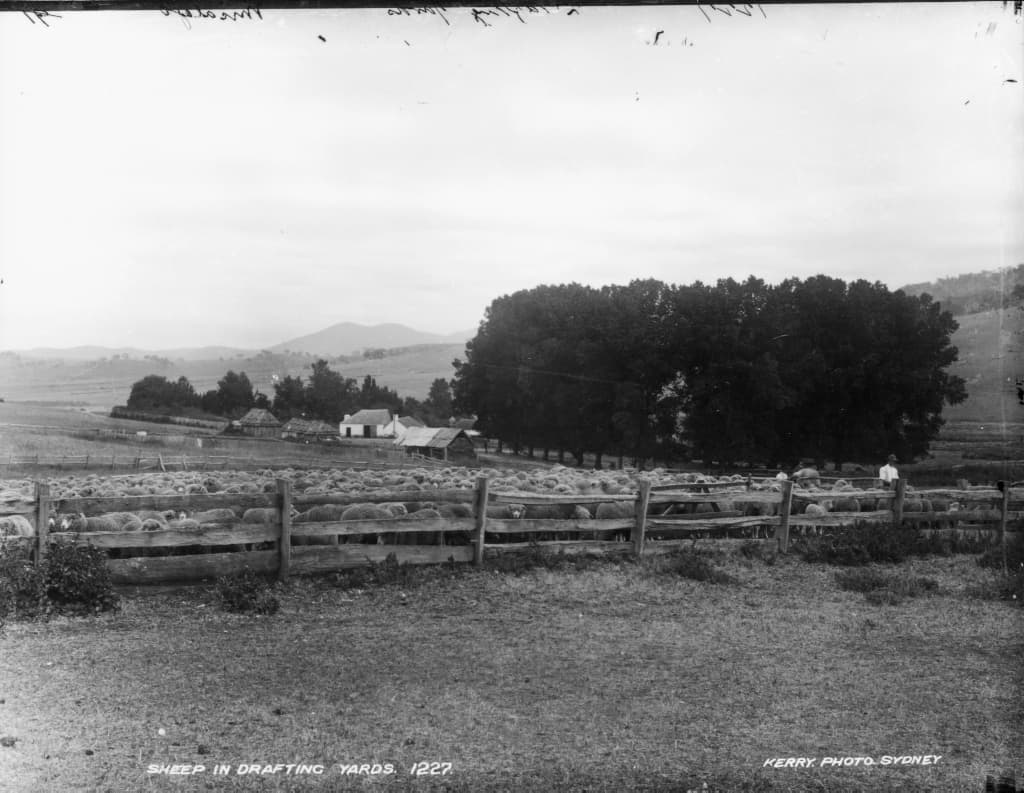
Plain wire is a cattle conversation. Sheep, lambs, goats and a lot of mixed livestock are a mesh conversation. The fabric has names that vary by merchant and district — ringlock, ring lock, hinge-joint, knotted joint, field fence — but the job is the same: close the bottom of the fence so the small animals stay in and the wrong dogs stay out.
If you are weighing mesh against wire-only boundaries, park the decision inside the wider rural and farm fencing choices rather than buying a roll because a neighbour used that brand.
What mesh is for — and what it is not
Mesh is for animals that go under, through or between wires. Lambs are the obvious case. Goats are the unkind case; they climb, lean and test every join. Alpacas and sheep mixed with guardian dogs need a fence that is clear at the bottom but not a ladder.
Mesh is not automatically a wild-dog or fox barrier. A standard sheep fence will slow a fox. It will not replace a purpose-built netting job with a buried or flopped skirt, smaller apertures and no crawl-under at the waterway. Be honest about the pest you are trying to stop before you pay for fabric you will still walk around after a kill.
Cattle can share a mesh fence, and often do on mixed farms. The mesh then needs the height, the top wires and the strainer capacity of a cattle fence, not just a sheep skirt stapled to light pickets. A cow using a hinge-joint fence as a back scratcher will open apertures you did not know could open.
Ringlock, hinge-joint and the other rolls on the rack
Hinge-joint is the classic farm grid: vertical stays wrapped around the line wires so the fence can flex and recover. Ringlock uses metal rings to join those wires and is often a little more supple over dips and crests. In the paddock the difference is smaller than the marketing. Gauge, aperture pattern, galvanising class and how you strain the roll matter more than the nickname.
Read the roll tag. Height, the number of line wires, and the spacing at the bottom are the figures that decide whether a lamb walks through. A fabric that is open at the bottom and tight at the top is a cattle fence in disguise.
Chainmesh belongs on stables and dog runs, not on a 400-metre sheep boundary. Selvage wires — the heavier top and bottom lines — are what you strain. Tension the whole fabric like a single high-tensile wire and you will distort the grid.
Posts, strainers and how you hang the roll
Mesh does not remove the need for strainer assemblies. If anything it increases it, because you are tensioning a fabric, not four independent wires. Ends, corners and gateways still want timber or heavy steel strainers with stays that can take a genuine pull.
Line posts can be timber or steel. Star pickets fill bays and stop the fabric from billowing. Droppers help on long, even runs. On black soil, clay heave will rack a tightly strained mesh more visibly than it racks plain wire — the grid tells on you. Re-set or re-strain after a wet winter rather than adding another picket to a leaning bay.
Tie the fabric to the posts. Do not rely on a few loose clips and optimism. A bottom selvage that is not secured becomes a crawl space by the second season. A top selvage that is not tied will fold over when cattle rub.
Unroll from the bottom of the paddock toward the high ground if you can, and join rolls with the maker’s recommended join — rings, twists or a purpose sleeve — rather than a handful of unbalanced knots. A bad join is where sheep educate each other.
Dial Before You Dig before you drive strainers along a road reserve or through an old house paddock. Mesh jobs tend to hug boundaries, and boundaries tend to hide cables.
Heights, skirts and the pest question
A common sheep boundary is a mesh around 80 to 90 centimetres with one or two wires above it. That combination turns a lamb fence into something cattle will also respect. Goats often need more height and smaller holes; some owners add a hot offset rather than buying a taller, dearer fabric they will still watch climb.
Where foxes or wild dogs are the real client, talk to people who fence for that job in your district. Aprons, smaller mesh, electric offsets and a clean bottom are a system. A single ringlock roll stood on the grass is not that system. This is not certified pest-proofing advice; it is a warning not to confuse a sheep fence with a conservation fence.
Waterways need a plan. Mesh collects flood debris and becomes a dam. A floodgate, a short run of plain wires, or a section you accept you will rebuild is kinder than a rigid panel across a creek.
Yards, laneways and the bits that get leaned on
Drafting yards and the race deserve heavier mesh, closer posts and no star-picket economy. Stock compress there and people work there. Laneways can use the same fabric as the boundary if they hang on proper posts. If the house yard, the chook run and the sheep paddock meet at one corner, change specification on purpose — one roll cannot do three jobs.
Durability: galvanising, salt and timber
Hot-dip galvanised farm mesh lasts longer than light imported zinc. Coastal properties still lose the zinc first at the bottom, where grass holds moisture and salt. Fire will anneal and sag a mesh fence even when it looks intact — walk it before you trust it with lambs. Timber posts have the same termite story as any other rural pine; see treated pine paling lifespan.
What mesh farm fencing typically costs
Mesh is dearer than a four-wire cattle fence and cheaper than pretending chainmesh will cover a kilometre. On trafficable country, installed sheep mesh with posts, strainers and a couple of top wires often sits in a broad band around $20 to $50 per metre. Rock, hand work, creek crossings, heavier gauges and contractor travel sit above that. Materials-only rolls vary widely with height and zinc class; ask for the tag spec, not just “ringlock”.
Short runs look expensive per metre because the strainers and gates do not get cheaper. Long, straight boundaries on easy ground are where mesh starts to look reasonable. Use the fencing cost guide as a cross-check, and compare quotes on the same roll height, the same post spacing and the same number of assemblies.
If the fence is also a dividing fence, the neighbour conversation is about the standard of fence, not your favourite brand name. Mesh versus plain wire is exactly the sort of disagreement the various state dividing fences rules try to umpire. Read who pays for a dividing fence before you unroll along a title you share.
A sheep fence is judged at the bottom, at the joins, and at the first flood. Buy the fabric that matches the animal, hang it on real ends, and walk it when the grass is high. That is the whole craft.
Frequently asked questions
Is ringlock better than hinge-joint for sheep?
Both will hold sheep if they are strained, tied and skirted correctly. Ringlock uses rings to join the line wires and can be a little more forgiving on uneven ground. Hinge-joint is the familiar knotted grid. Choose on roll width, wire gauge and the animal you actually run, not the nickname on the invoice.
How high should a sheep mesh fence be?
Many sheep boundaries use a mesh 80 to 90 centimetres high with one or two plain or barbed wires above, bringing the fence to around 1.1 to 1.2 metres. Goats, dogs and cattle change that recipe. Measure the stock you have, including lambs, before you order a roll width.
Can I run mesh on star pickets only?
Not if you want it to last. Mesh still needs strainer assemblies at ends, corners and gates. Star pickets and droppers keep the fabric upright between posts. A roll wired to pickets with no real ends will belly out the first time a mob hits it, and you will spend the next season threading lambs out of the neighbour’s lucerne.
Filed under Rural and farm. Corrections: contact the desk.
More in Rural and farm
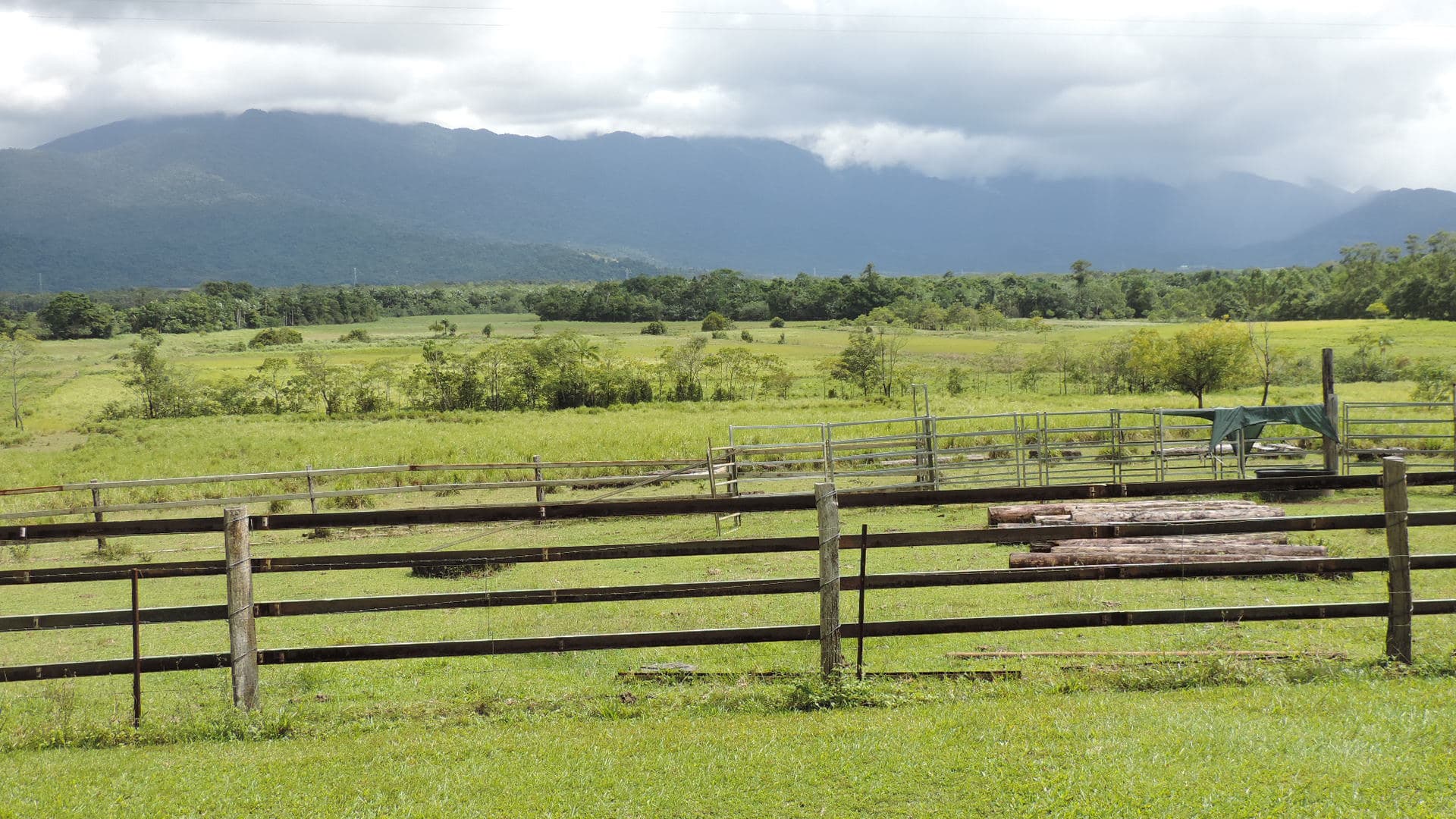
Fencing a rural-residential acreage or lifestyle block
How to fence a lifestyle block that is half suburb, half paddock — streetscape, dogs, a few head of stock, and a neighbour who still lives in town hours.
Mark Denham · 26 June 2025
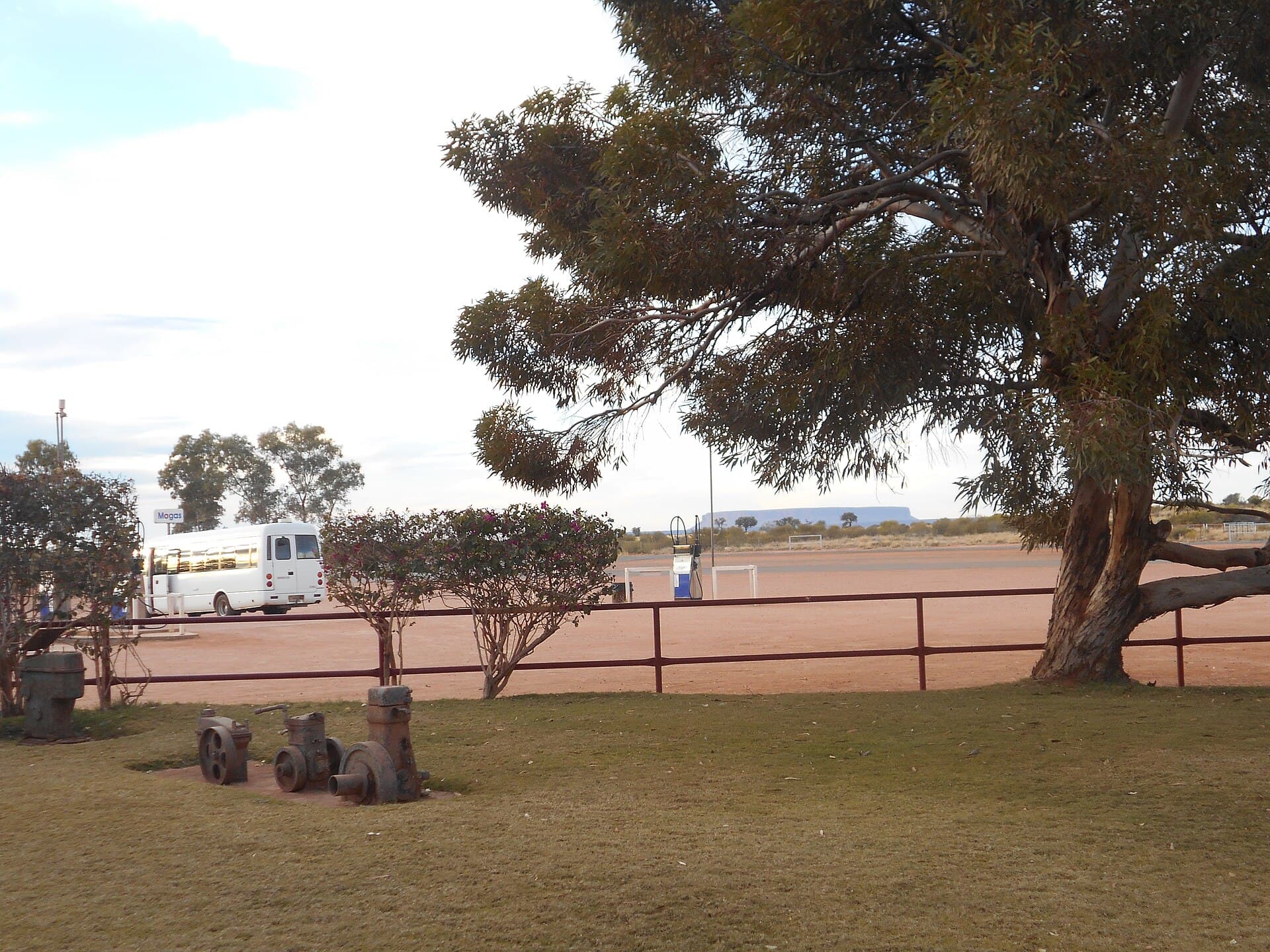
Bushfire-prone fencing materials and BAL, without the mythology
How fence materials behave when embers arrive — steel, timber, Colourbond and mesh — and why a BAL rating on a house is not a licence to guess the fence.
Mark Denham · 15 May 2025
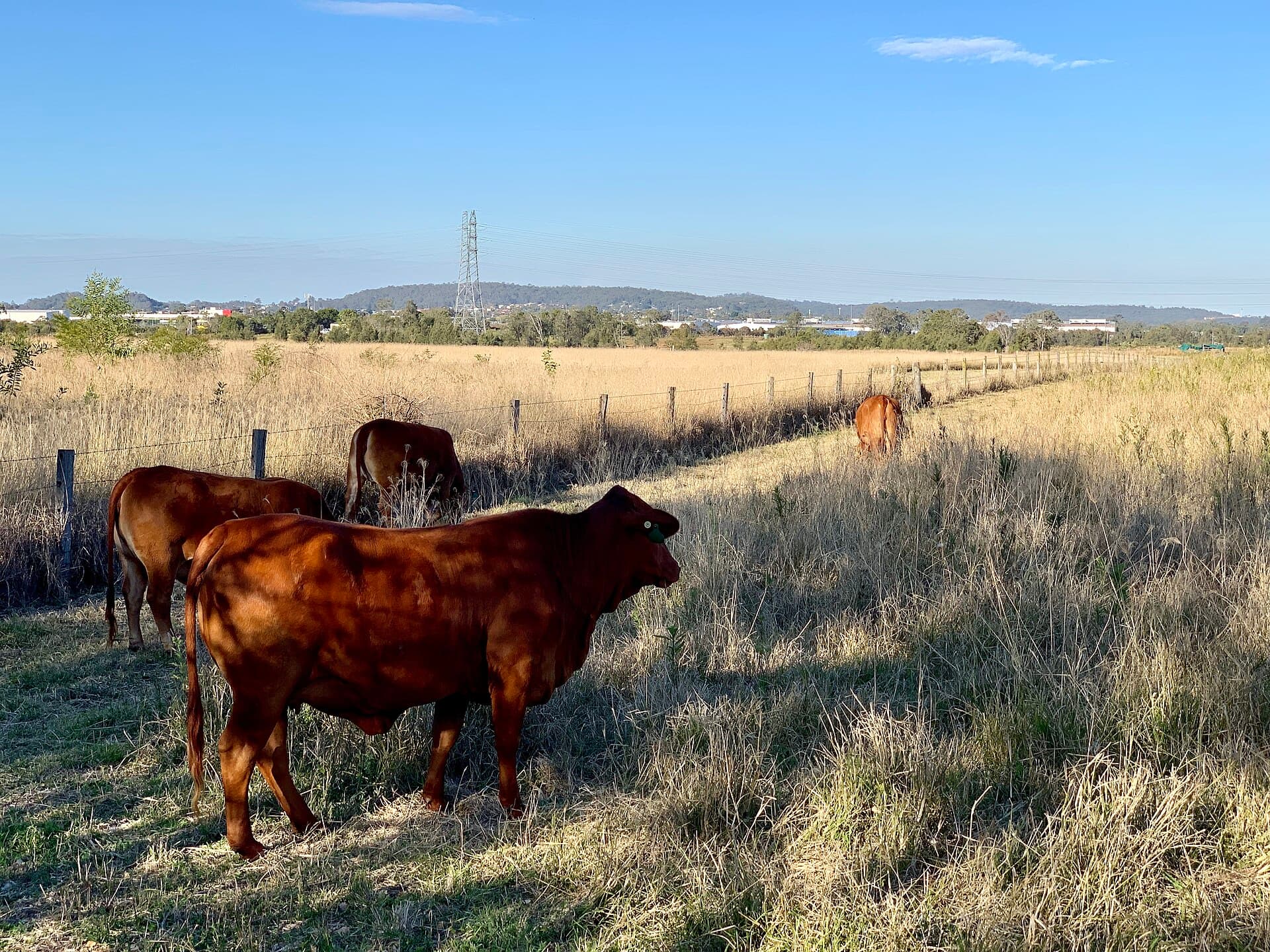
Electric fencing for cattle and horses in Australia
How energisers, earth systems and horse-safe conductors work on Australian paddocks — and where an offset wire beats a heavier conventional fence.
Mark Denham · 12 March 2025