Fencing a rural-residential acreage or lifestyle block
How to fence a lifestyle block that is half suburb, half paddock — streetscape, dogs, a few head of stock, and a neighbour who still lives in town hours.
By Mark Denham · 26 June 2025 · Updated 9 April 2026
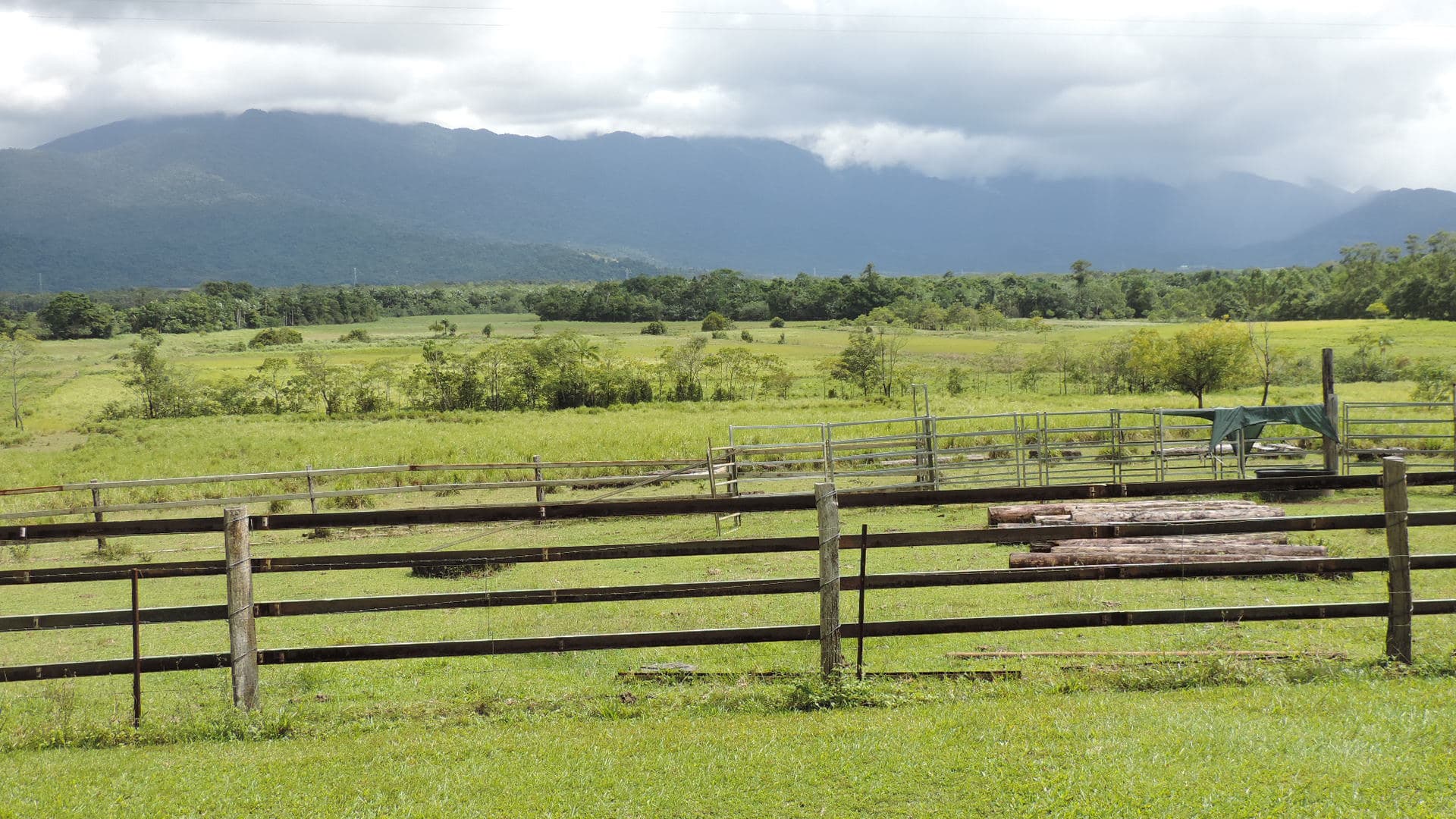
A rural-residential block is where fencing arguments go to breed. One side of the title wants Colourbond and a quiet backyard. The other side wants two steers, a horse and a dog that believes the neighbouring chickens are a sport. The street wants something that does not look like a feedlot. The budget wants one product to do all of it.
It will not. The useful approach is to fence the jobs: a public face, a neighbour standard, a stock-proof paddock, and a house yard that actually contains the dog. Our rural and farm fencing topic covers the paddock half. The suburban half is the same decision every town block makes, just with more metres and worse access.
Map the jobs before you map the posts
Walk the boundary with a notebook, not a catalogue. Mark the road frontage, the neighbour who has a pool, the neighbour who runs cattle, the creek, the house yard, the septic and the place you will actually unload hay. Those notes are the specification.
A few cattle on ten acres do not need a showground. They do need a fence they cannot walk through on the first dry autumn, and a laneway to the yards or the loading point. Horses need visibility. Dogs need a house-yard fence that is taller and tighter than a stock fence, because a kelpie treats 900 millimetres of plain wire as a suggestion.
Kids and pools are a different statute again. If there is a pool on your block or the neighbour’s, do not improvise a “good enough” barrier with rural mesh. That is an AS 1926 conversation with a licensed certifier, not a farm-gate conversation.
Street frontage and the house yard
Front fences on acreage estates are often controlled even when the back paddock is not. Height, transparency, materials and setback from the verge turn up in planning schemes and in the covenant you ticked when you bought. A 1.8-metre solid steel wall on the road can be a fight; a timber post-and-rail with mesh behind it is often the local truce.
The house yard is where most lifestyle-block owners should spend the money. That is the fence the dog tests, the toddlers wander toward, and the visitors see. Steel sheet, a good paling, or a combination with a stock-proof gate to the paddock will do more for daily life than an extra kilometre of average wire.
If you are choosing between sheet and timber on that house yard, the Colourbond versus timber paling guide is the right comparison. Termites, clay heave and western sun do not become gentler because your address says “rural”.
Keep the bin pad, the meter box and the school-bus turning circle in the design. A beautiful gate that a truck cannot enter is a weekend sculpture.
Paddock fences on a small holding
Treat the grazing area as a small farm, not as a large backyard. That means strainer assemblies at ends and corners, posts that can take a beast, and wire or mesh matched to the animal. Star pickets alone around a horse paddock are how good horses end up on the road.
Internal subdivision can be lighter. A couple of electric tapes on tread-in posts will rotate a horse or a few steers if the boundary is already honest. Do not electrify a fence the neighbour’s children can reach from a trampoline; put the hot wire where the stock are, and put a conventional screen where the people are.
Gates should take the trailer you own, not the quad you imagined. Hang them on real posts. A sagging gate is the first thing stock find and the last thing a tired owner fixes.
Water points and shade change how a fence is tested. Cattle camp on the fence that sits between them and the only tree. Move the water or strengthen that bay; do not be surprised.
Neighbours, dividing fences and mismatched expectations
The classic acreage fight is a solid 1.8-metre steel fence proposed against a neighbour who wanted post-and-rail, or the reverse. Dividing fences law is about a sufficient fence for the purpose of the boundary, and about sharing reasonable cost. It is not about your preferred colour chart. Start with who pays for dividing fences and treat it as a map, not a verdict. Requirements differ across the states and territories.
Talk before you peg. A neighbour who keeps show poultry has a real interest in your kelpie. A neighbour who has just built a pool has a real interest in your boundary height and climbability. A neighbour on a working farm has a real interest in your horses staying off their road.
If you cannot agree, the fencing notice process exists for a reason. Do not build first and litigate later along a line you guessed with a phone GPS.
Ground, services and the bits that eat fences
Lifestyle blocks are famous for surprise services: a rural power spur, a water main along the road reserve, NBN that takes a scenic route, a former owner’s poly line to a trough. Dial Before You Dig is not optional because the block feels rural. Call it. Hand-dig when the plan is messy.
Clay heave on a new estate can rack a rigid steel fence in the first two winters. Leave the specified gaps at the base, use the right footings, and do not concrete a timber post as if it were a house stump unless the installer knows the soil. Termites will find untreated pine in a house-yard paling the same way they find it in a pergola.
Salt is a coastal-acreage problem; fire is a gum-edge problem. Neither is solved by a cheaper coating. Specify the environment you actually have.
Creeks and dams on small holdings still need flood sections. A pretty mesh panel across the overflow will become a silt dam, then a hole.
What acreage fencing typically costs
You will spend more than a suburban side fence and less, per hectare, than a finished farm. That is not a useful sentence on a quote. Break the job up.
House-yard steel or paling often sits in the same installed ranges as town work — very roughly $80 to $200 per metre for a 1.8-metre screen, more with slope, retaining or fancy gates. Paddock wire or mesh is a lower per-metre figure but a larger metreage; a mixed holding can easily put most of the money into the long rural lines and the strainers, then feel surprised that the pretty front gate is a separate invoice. Electric subdivision is cheap in materials and dear in labour if you keep moving it.
Get quotes on a sketched plan with metres, heights and gate counts, not on “fence the acreage”. The fencing cost guide will stop you comparing a Colourbond house yard with a four-wire paddock as if they were one line item.
If you are hiring, ask whether the crew has done rural-residential work, not only suburban side fences or only kilometres of farm wire. The block needs both habits. Preparation — clearing, levels, neighbour notices — is the same discipline we cover under install and maintain.
Fence the jobs, not the dream of a single elegant product. The dog, the steers and the street will each tell you if you guessed wrong, and they will not take turns.
Frequently asked questions
What fence suits a lifestyle block with a few cattle or horses?
Use a proper stock fence on the paddocks — post-and-wire or mesh, real strainers, gates a trailer can use — and a suburban-grade screen only where you actually want privacy. One product around the whole title usually fails at least one of those jobs.
Who pays for the fence on a rural-residential boundary?
Shared boundaries still sit under the dividing fences rules of your state or territory. A lifestyle block next to a suburban backyard is a classic argument about standard and cost. Read the overview of who pays, then the Act that applies to your title. This is not legal advice.
Do I need council approval for acreage fencing?
Often not for a standard-height boundary, and often yes once you add height, solid screens near a road, heritage overlays, bushfire conditions or a front fence in a designed estate. Call the shire before you pour the first post. Rural zoning is not a free pass.
Filed under Rural and farm. Corrections: contact the desk.
More in Rural and farm
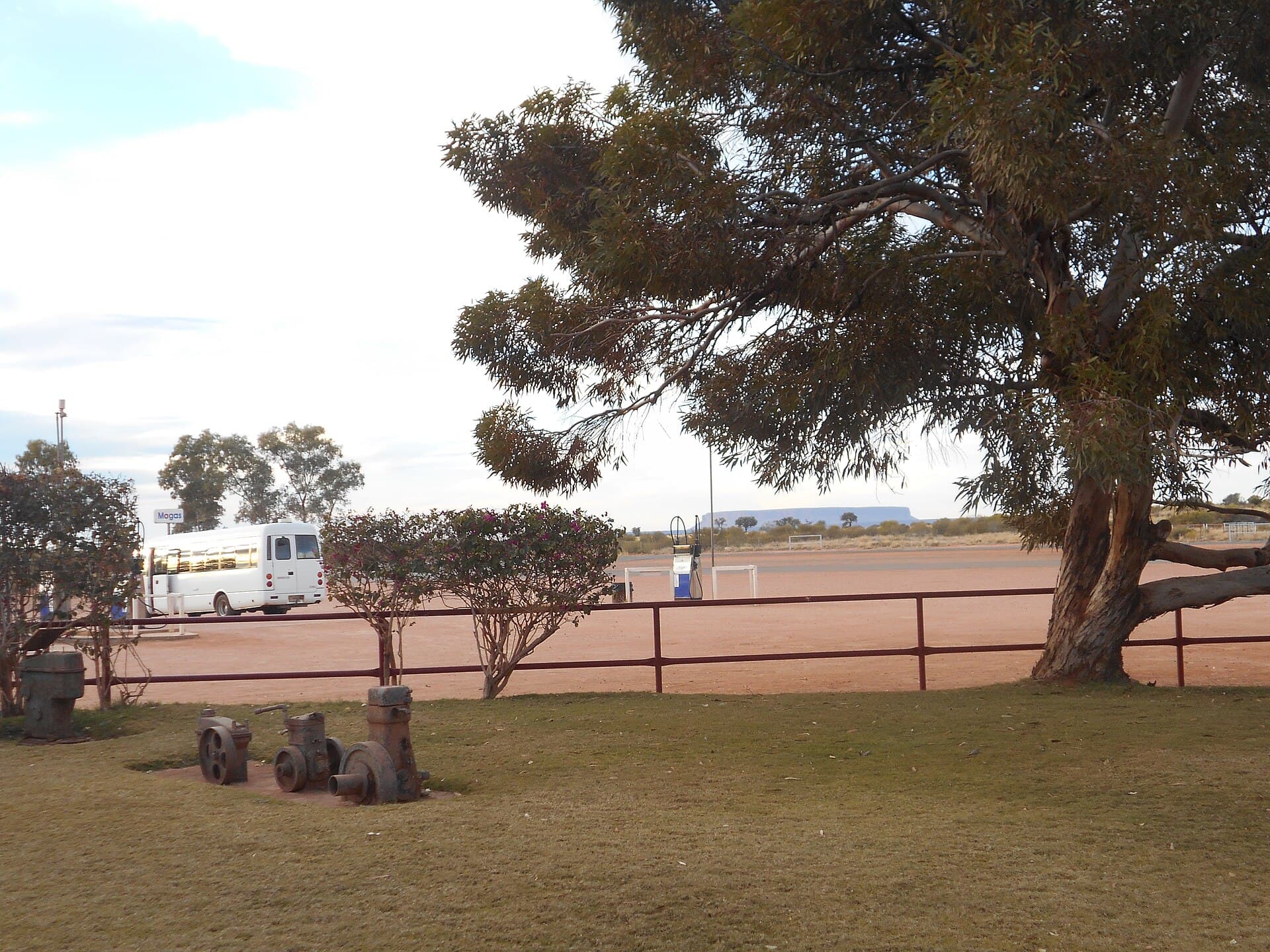
Bushfire-prone fencing materials and BAL, without the mythology
How fence materials behave when embers arrive — steel, timber, Colourbond and mesh — and why a BAL rating on a house is not a licence to guess the fence.
Mark Denham · 15 May 2025
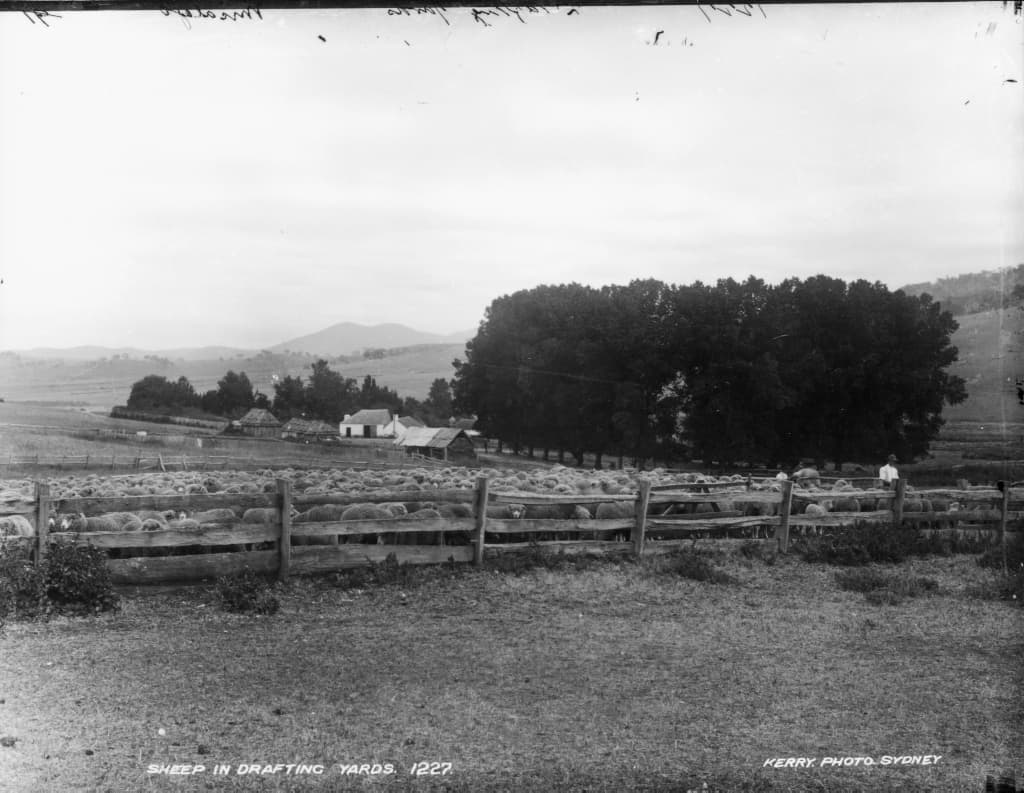
Ringlock and hinge-joint mesh for Australian farm fencing
When sheep, lambs and mixed livestock need a mesh skirt rather than plain wire — how ringlock and hinge-joint differ, where they fail, and what they tend to cost.
Mark Denham · 24 April 2025
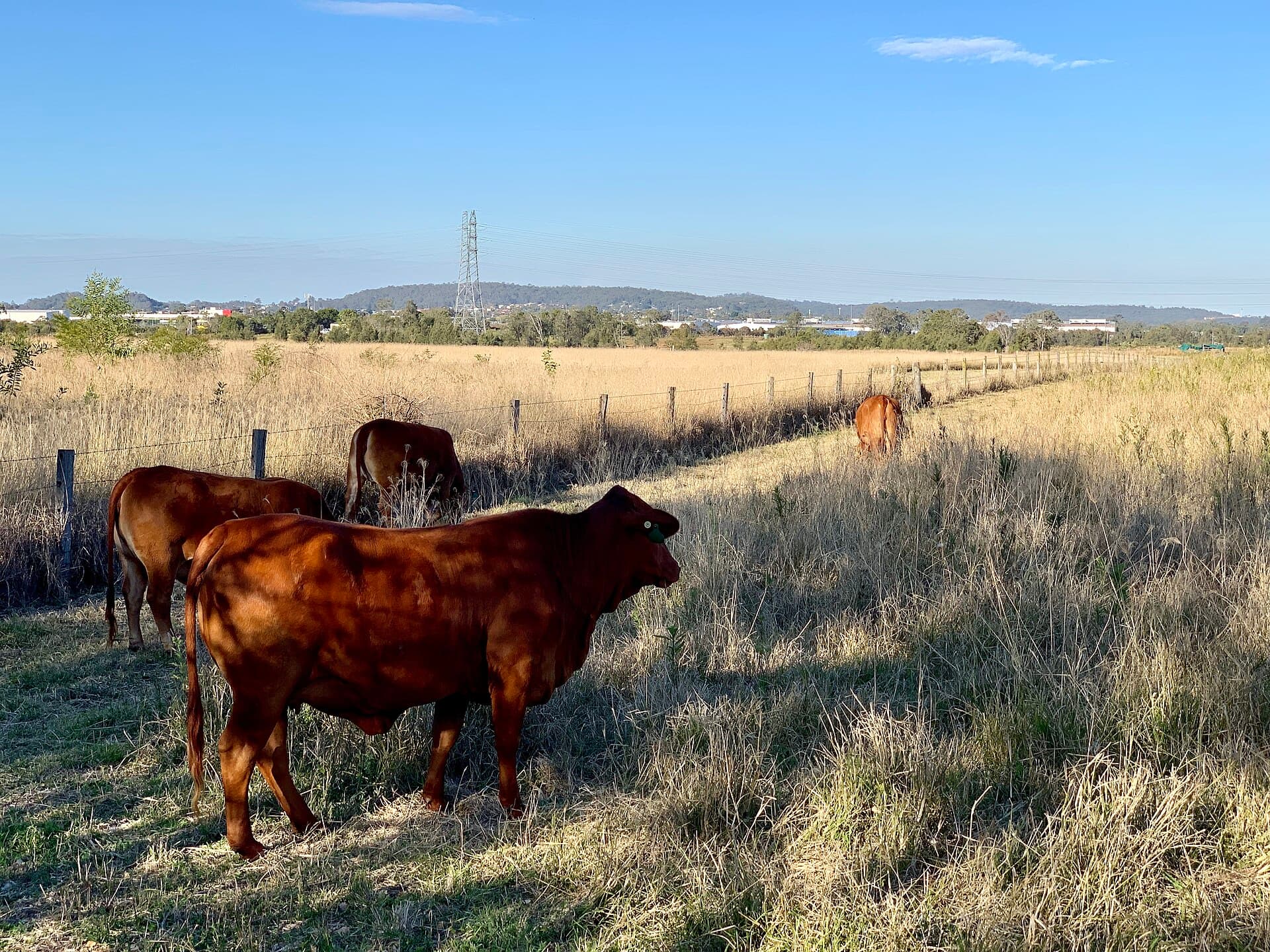
Electric fencing for cattle and horses in Australia
How energisers, earth systems and horse-safe conductors work on Australian paddocks — and where an offset wire beats a heavier conventional fence.
Mark Denham · 12 March 2025