Electric fencing for cattle and horses in Australia
How energisers, earth systems and horse-safe conductors work on Australian paddocks — and where an offset wire beats a heavier conventional fence.
By Mark Denham · 12 March 2025 · Updated 30 June 2026
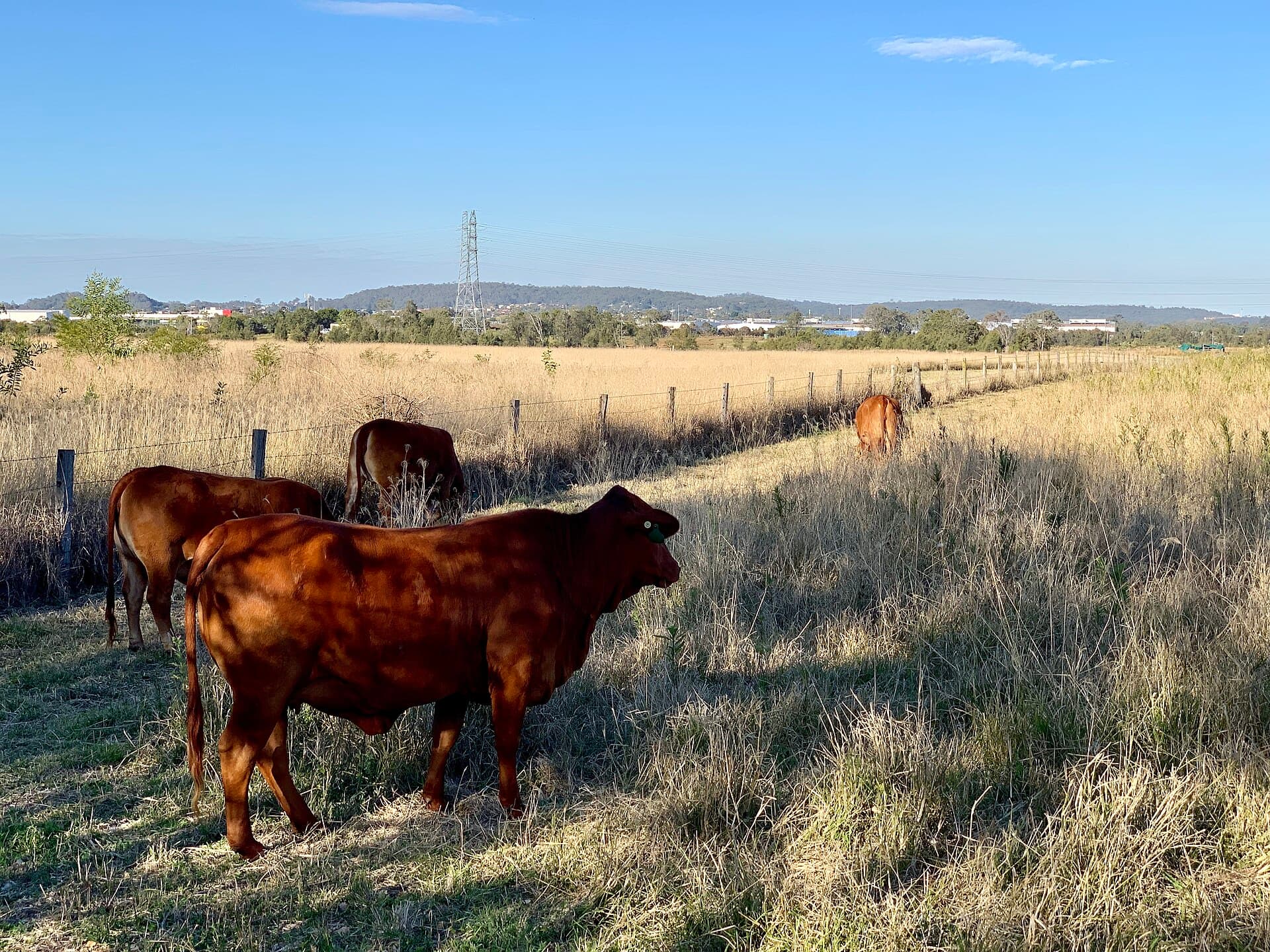
Electric fencing is not a gadget you clip on when the cattle start leaning. It is a system: an energiser, a path out along the wire, a path back through the animal and the soil, and enough visible conductor that a horse sees the fence before it hits it. Done properly, a light electric line will hold cattle that would walk through a slack conventional bay. Done poorly, it is an expensive piece of string.
This is paddock practice, not a wiring ticket or a veterinary opinion. Mains connections belong with a licensed electrician. Earthing and vegetation control belong with whoever walks the fence. For the broader rural picture, see the rural and farm fencing topic.
How an electric fence actually works
The energiser pushes a short, high-voltage pulse down the live wire. The animal touches the conductor, the pulse travels through the body to the ground, and the earth system brings it home. If any part of that loop is weak — rusty joins, grass loading the wire, a single short earth stake in dry sand — the shock collapses and the cattle learn the wrong lesson.
That is why “more joules” is only half the conversation. A large energiser on a filthy, un-earthed fence will still feel like a tickle. A modest unit on a short, clean horse paddock with three decent earth stakes can feel sharp all year.
Keep the live wire insulated from steel posts and from the old fence you are offsetting. A single pinched insulator on a star picket will bleed the pulse into the line. After a storm, that is the first thing to walk.
Energiser choice: mains, battery and solar
Mains energisers suit yards, stables and any fence within honest reach of a power point. They are consistent. They do not sulk after a week of cloud. They also need a residual-current device and a connection that would pass a straight face if an electrician looked at it.
Battery and solar units earn their keep on remote boundaries and leased country. Size the panel and the battery for winter sun in your district, not for a January demonstration on the shop verandah. A unit that “covers 30 kilometres” in a catalogue is assuming clean wire, wet earth and no trees. Halve that in your head, then walk the line.
Mount the energiser where you can see the indicator and where stock cannot rub it. Lightning is a real rural risk — a surge between the fence and the earth system can kill a box that was otherwise fine. Follow the manufacturer’s lightning kit advice; it is cheaper than a new energiser every second storm season.
Earth systems matter more than the brand
Dry Australian soils are unkind to electric fences. A single 1.2-metre stake beside the shed is not an earth system. Most cattle fences want several stakes, spaced, driven into soil that actually holds moisture — a dam bank, a soak, the shade on the south side of a shed — and connected with proper earth cable, not a bit of leftover fence wire.
If the fence feels weak in late summer and strong after rain, your earth is the suspect, not the energiser. Some properties run a dedicated earth return wire where the soil is sand or rock. That is extra conductor and extra insulators, but it is how plenty of western-division country keeps a pulse.
Never share the fence earth with the house earth or a steel shed you care about. Keep the systems apart and labelled. If you are unsure, that is an electrician’s five minutes, not a guessing game.
Cattle fences: offsets, strip grazing and training
Cattle are heavy and curious. They also learn. A well-built conventional fence with a single hot offset — typically one live wire on outriggers, about chest to shoulder height on the class of stock you run — will stop a surprising amount of leaning. The conventional fence still does the physical work if a bull decides the shock is optional.
Strip grazing and temporary subdivision are where electric fencing earns its keep. Polytape or polywire on tread-in posts lets you shift a break in an afternoon. The same rules apply at small scale: a real earth, clean conductors, and enough posts that the tape does not sag into the clover.
Train stock on a short, reliable paddock before you ask a thin wire to hold a boundary. Hungry cattle in a drought will walk through a fence they have never respected. That is not a product failure.
If the job is “stop them leaning”, start with a hot offset and leave the barb in the shed.
Horse paddocks: visibility first, shock second
Horses panic. A fine high-tensile wire they never saw will cut a chest or take a leg. Broad tape, braided rope and a timber top rail with an offset hot wire are the usual Australian answers. Two or three visible live lines, well tensioned, beat five invisible ones.
Keep gates as obvious as the fence. A tape gate that disappears against summer grass is how good horses end up on the road. Use a proper handle, a latch post that stays plumb, and a sighter that you can pick at dusk.
Do not electrify barbed wire for horses, and do not use light urban “pet” kits on a road boundary. Tightness is not visibility. Horses new to tape need a training yard, not a first lesson on a 20-hectare paddock.
Vegetation, salt and summer faults
Grass on the wire is a slow short. In a coastal summer it can flatten a pulse by lunchtime. Slash or spray a strip, lift the bottom conductor, and walk the fence after storms. Salt air also films insulators and steel joins; if you are already fighting corrosion on the rest of the property, our coastal durability notes on coated steel are the suburban cousin of the same problem.
Clay heave after a wet winter will tilt tread-in posts and drop tape into the weeds. Re-strain after the soil finishes moving, the same way you would re-set a paling line after a heave. Termites do not eat polywire, but they will eat the timber strainer you tied it to.
Dial Before You Dig still applies when you drive earth stakes and yard posts. Rural power to a pump or a bore is easy to hit and expensive to apologise for.
What electric fencing typically costs
Treat prices as ranges. A simple offset on an existing cattle fence might add only a few dollars per metre in materials — insulators, outriggers, a reel of wire — plus an energiser that often sits somewhere between a few hundred and a little over a thousand dollars depending on output and power source. A standalone electric subdivision with tread-ins and tape can look cheap on day one and dear once you count labour, gates and the third earth upgrade.
Installed rates vary with access and how much conventional fence you are still building underneath. Compare quotes on the same joule class, the same earth specification and the same number of gates, not on a single headline per-metre figure. The fencing cost guide is a useful sense-check beside a contractor’s rural rate.
Electric fencing does not remove the need for strainers on any wire you intend to tension. A floppy tape on star pickets is a suggestion; a strained, insulated line on real ends is a fence. If you hire the job, ask for a voltmeter test and a walk-down after the first growth flush.
Frequently asked questions
How many joules do I need for a cattle or horse fence?
Joules on the box are not the same as joules on the wire. A small solar unit may hold a short, clean horse paddock. Long, weedy cattle boundaries usually want a larger mains or heavy solar energiser and a serious earth system. Size for the kilometres of wire and the worst dry-earth month, not the brochure paddock.
Is electric tape safer than wire for horses?
Broad tape and braid are easier for horses to see, which prevents more injuries than a slight change in shock. Fine high-tensile wire is a trip and a cut if a horse hits it at speed. Use visible conductors, keep tension honest, and avoid barbed wire anywhere horses run.
Can I add an electric offset to an old stock fence?
Yes, and it is often the best first upgrade. Offsets on outriggers sit 150 to 300 millimetres off the existing fence and teach cattle not to lean. The old fence still has to be stock-proof enough that a beast cannot step through and ignore the tickle. Rebuild rotten strainers first; an offset will not save a fence that is already on the ground.
Filed under Rural and farm. Corrections: contact the desk.
More in Rural and farm
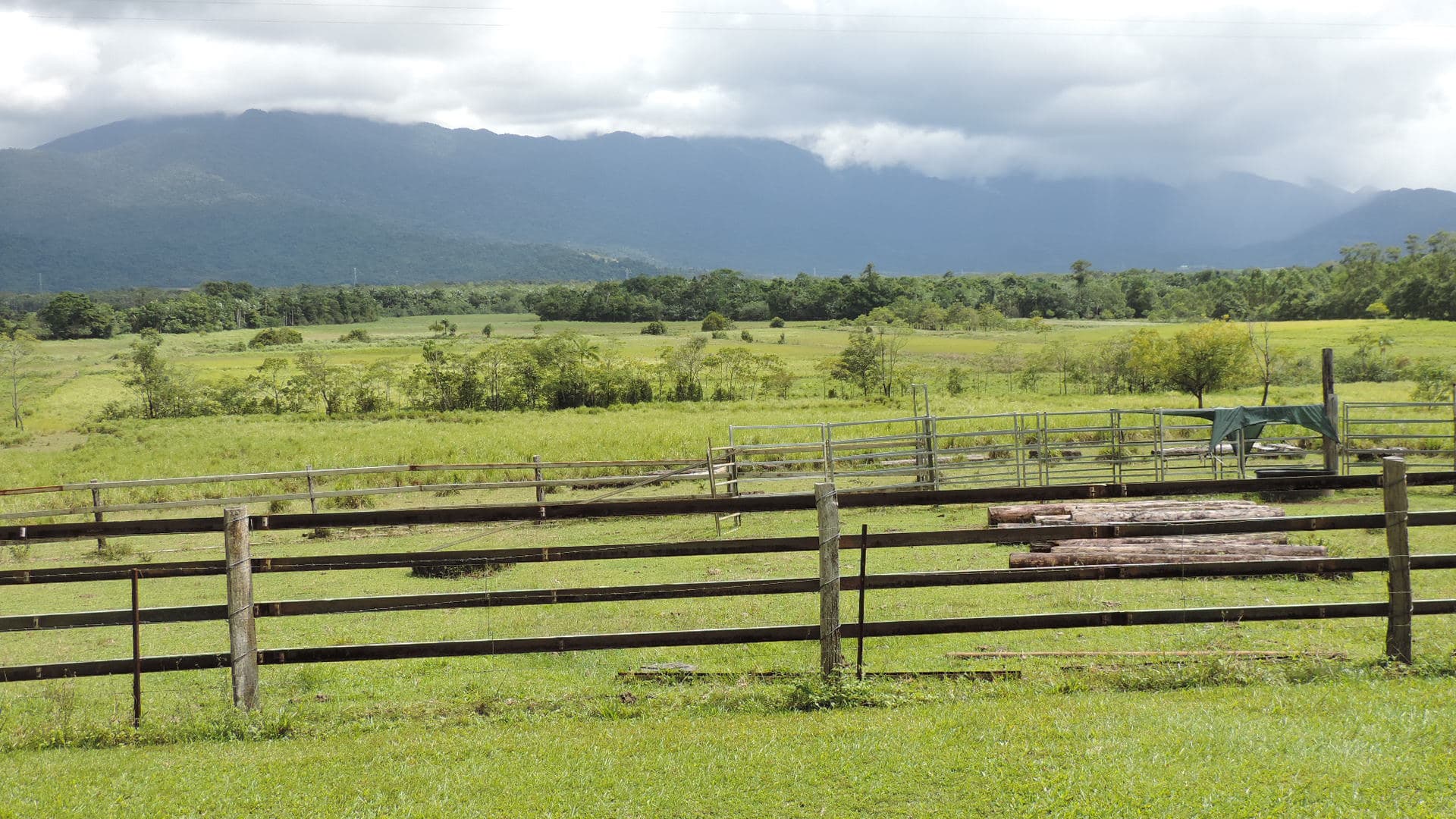
Fencing a rural-residential acreage or lifestyle block
How to fence a lifestyle block that is half suburb, half paddock — streetscape, dogs, a few head of stock, and a neighbour who still lives in town hours.
Mark Denham · 26 June 2025
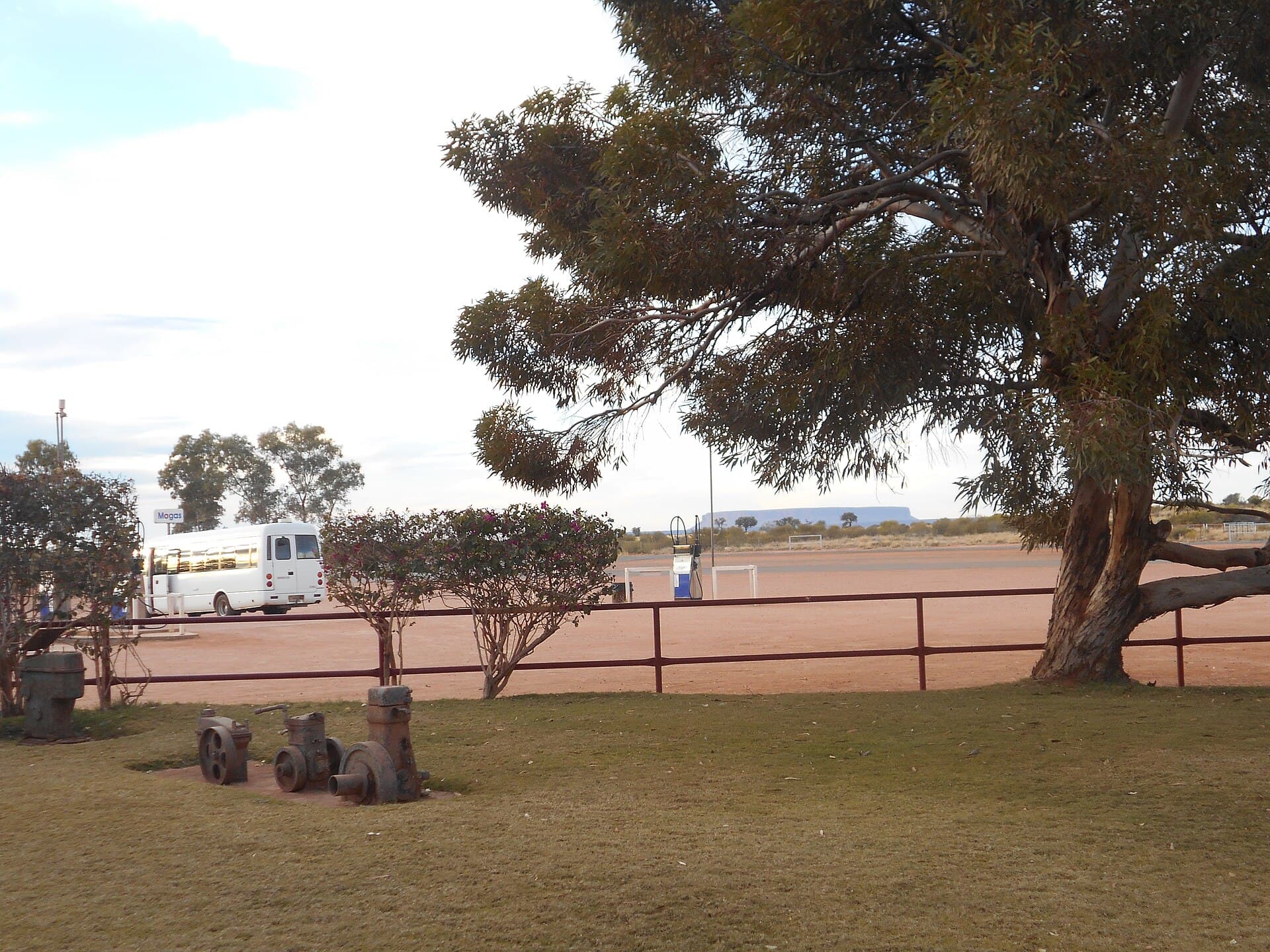
Bushfire-prone fencing materials and BAL, without the mythology
How fence materials behave when embers arrive — steel, timber, Colourbond and mesh — and why a BAL rating on a house is not a licence to guess the fence.
Mark Denham · 15 May 2025
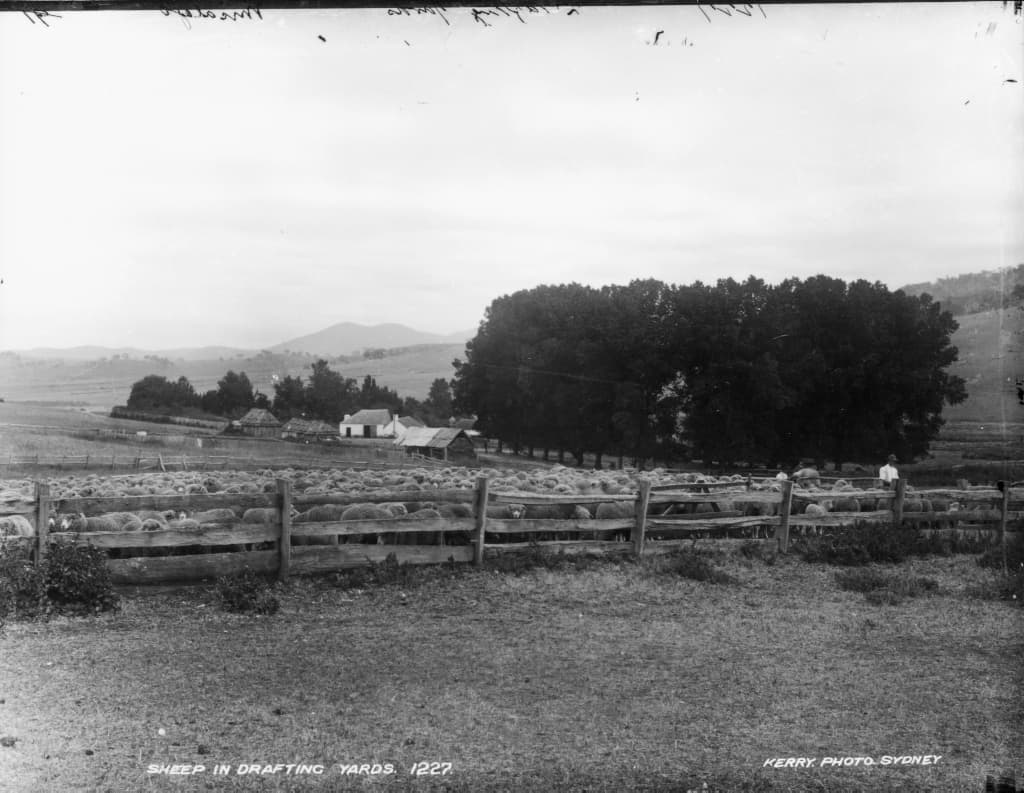
Ringlock and hinge-joint mesh for Australian farm fencing
When sheep, lambs and mixed livestock need a mesh skirt rather than plain wire — how ringlock and hinge-joint differ, where they fail, and what they tend to cost.
Mark Denham · 24 April 2025