Rural post and wire fencing for Australian livestock
A practical paddock guide to post-and-wire stock fences — strainer assemblies, wire choice, post spacing, and what cattle and sheep actually test.
By Mark Denham · 6 February 2025 · Updated 22 August 2026
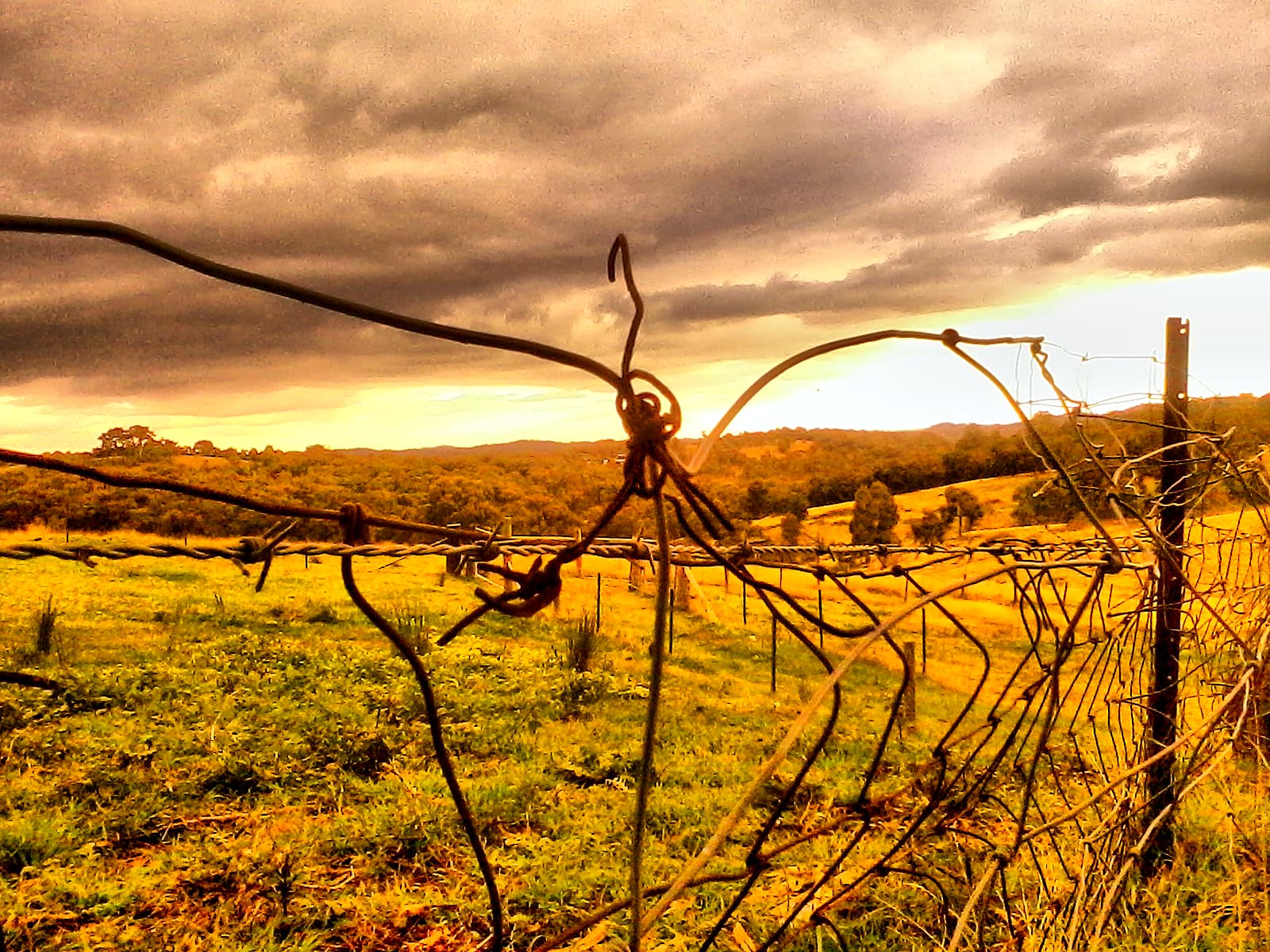
A livestock fence is not a suburban screen. It has to turn cattle that lean, sheep that wriggle, and the odd weaner that treats a slack bay like a puzzle. On Australian country that usually means a post-and-wire line: timber or steel posts, a handful of plain or barbed wires, and strainer assemblies that carry the whole tension. Get the strainers right and the rest of the fence can be surprisingly modest. Get them wrong and you will be restapling after every storm.
This is a working guide for paddock fences, not a specification for a particular brand or a certified design. Soil, stock class, rainfall and fire history all change the recipe. If you are comparing rural options more broadly, start with our rural and farm fencing topic.
What a livestock fence has to do
Stock do not respect a pretty line. They test the lowest wire, the slackest bay, and the gate that someone left half-latched. A cattle fence is mainly about height, visibility and the strength to take a shoulder. A sheep fence is about the bottom of the fence — lambs slip under a high first wire, and ewes will work a hole until it becomes a race.
Decide the job before you order wire. A boundary that must hold mixed cattle through a dry autumn is a different fence from an internal subdivision that only needs to slow a mob while you shift water. Internal fences can often be lighter, or later electrified, if the boundary is already sound. High-tensile wire is thin, so a pale sighter, a timber rail on a laneway, or a strip of electric braid on the top helps horses and young cattle see the fence.
Choosing posts: timber, steel and star pickets
Treated pine and durable hardwood still do the heavy work at strainers, corners and gates. Intermediate line posts can be timber, drilled steel, or a mix of steel posts and star pickets. Timber is kinder on wire and easier to restaple. Steel shrugs off termites and, in many districts, fire. Star pickets are the cheap filler that keep wires spaced between proper posts.
Termites are not a suburban-only problem. In the warmer states, untreated or poorly seated pine intermediates can hollow out in a decade. If you are already thinking about timber life in the yard or along the house, the same caution applies on the paddock — see our notes on treated pine paling lifespan for how moisture and ground contact eat timber.
On black soil and other reactive clays, a deep-set timber strainer still beats a short steel post that can walk in a wet winter. Clay heave lifts and tilts anything with a small footprint. Rock country flips the problem: you may be drilling or using shorter steel with concrete where a hole can be made at all.
Call Dial Before You Dig before you drive the first post, even on a paddock that looks empty. Rural land still hides Telstra pits, irrigation mains, private power to pumps, and gas laterals along road reserves.
How strainer assemblies carry the load
The strainer assembly is the fence. Everything else is just wire held in the air. A typical end assembly is a strainer post, a stay (or two), and a rail or wire tie that stops the strainer from pulling in. Corners need assemblies that take tension in two directions. Gates need a pair of strainers that stay plumb when the gate is hung and used daily.
High-tensile wire stores a lot of energy. If a strainer rolls in 50 millimetres, every bay downstream loses tension. That is why old fences look tired in the middle even when the wire itself is still sound. Rebuild the ends before you buy another coil.
Set strainers deeper than line posts, keep stays in compression, and tie off each wire on the strainer rather than running a coil around a corner. Leave room to re-strain after the first season’s settlement. Box strainers and floating stays each have their place; what matters is that the assembly is sized for the wire count and the span.
Wire types, heights and spacings for cattle and sheep
Most Australian stock fences are some mix of high-tensile plain wire, mild steel, and one or two barbed wires. High-tensile stays tighter over long bays and uses less steel. Mild steel is more forgiving around yards and anywhere you expect to repair with a fencing pliers after a tree comes down.
A conventional cattle fence in many districts is four to six wires, with the top around 1.1 to 1.2 metres. Sheep and goats usually need more wires or a hinged-joint mesh skirt. If paddocks will carry both, design for the smaller animal. Barbed wire deters leaning but is rough on horses and people; offset electric wires often do the same job with less blood. Some councils take a dim view of barb near public roads.
Droppers — light steel or timber spacers wired to the line, not set in the ground — stop wires from spreading when a beast pushes through. They are cheaper than extra posts and they keep a high-tensile fence looking like a fence instead of a harp.
Ground conditions, waterways and access
Walk the line in wet weather if you can. The soak at the bottom of the paddock is where posts rot, wires rust and cattle camp. Lift the bottom wire over flood runners or use a floodgate that can swing up rather than a rigid mesh panel that becomes a dam. Creeks need shorter bays and often a sacrificial flood section. Peg the line so a post driver, a hay trailer and a fire tanker can still reach it.
What a rural post-and-wire fence typically costs
Prices move with steel, timber, fuel and how far the crew has to travel. Treat any figure as a range, not a quote.
On reasonably clear, trafficable country, a straightforward four- to six-wire stock fence often lands somewhere in the order of $15 to $40 per metre installed, including strainers at sensible intervals. Mesh skirts, steep gullies, rock, hand-dug corners and long cartage push that up. Materials-only jobs sit lower if you already have the labour and a post driver. A few expensive strainer assemblies on a short boundary can make a small job look dear on a per-metre basis; that is not the contractor being cute, it is how fences work.
If you want a wider picture across suburban and rural styles, read the Australian fencing cost guide. It will not replace a site walk, but it stops you comparing a six-wire cattle fence with a Colourbond backyard as if they were the same product.
Common failures and how to avoid them
Most tired rural fences fail at the same points. Strainers roll in. Bottom wires lift after clay heave or get buried and rust. Stock camps rub a bay slack. Gates sag because the hanging post was never an assembly. A yearly walk with a fencing pliers is worth more than a new coil every fifth year. After fire, check the temper of high-tensile — heat can leave it brittle even when it still looks straight.
Boundary questions are separate from construction. Who pays and where the line sits are matters for the relevant dividing fences rules. Start with who pays for dividing fences and then read the Act that applies to your title. Site habits still apply on acreage; see installation and maintenance.
A post-and-wire fence thought through — stock class, strainers, soil and an honest maintenance habit — will outlast the owner who skipped the ends.
Frequently asked questions
How far apart should posts sit on a livestock fence?
On reasonably even country, timber or steel intermediates are often set 8 to 12 metres apart, with star pickets or droppers filling the bays. Close the spacing on creeks, corners, gate approaches and anywhere stock habitually rub. There is no single Australian standard spacing that fits every paddock.
Do I need a permit for a rural boundary fence?
Many farm fences sit outside suburban planning controls, but overlays, waterways, roads and heritage listings can still apply. Boundary cost-sharing is a neighbour-law question, not a fencing specification. Check your council and the relevant dividing fences legislation before you commit, and treat this as general information rather than legal advice.
How long does a post-and-wire livestock fence last?
A well-strained high-tensile fence on sound posts can work for 20 to 40 years in inland districts. Coastal salt, termite pressure, clay heave and fire shorten that range. Life depends more on the strainer assemblies and maintenance than on the brand stamped on the coil.
Filed under Rural and farm. Corrections: contact the desk.
More in Rural and farm
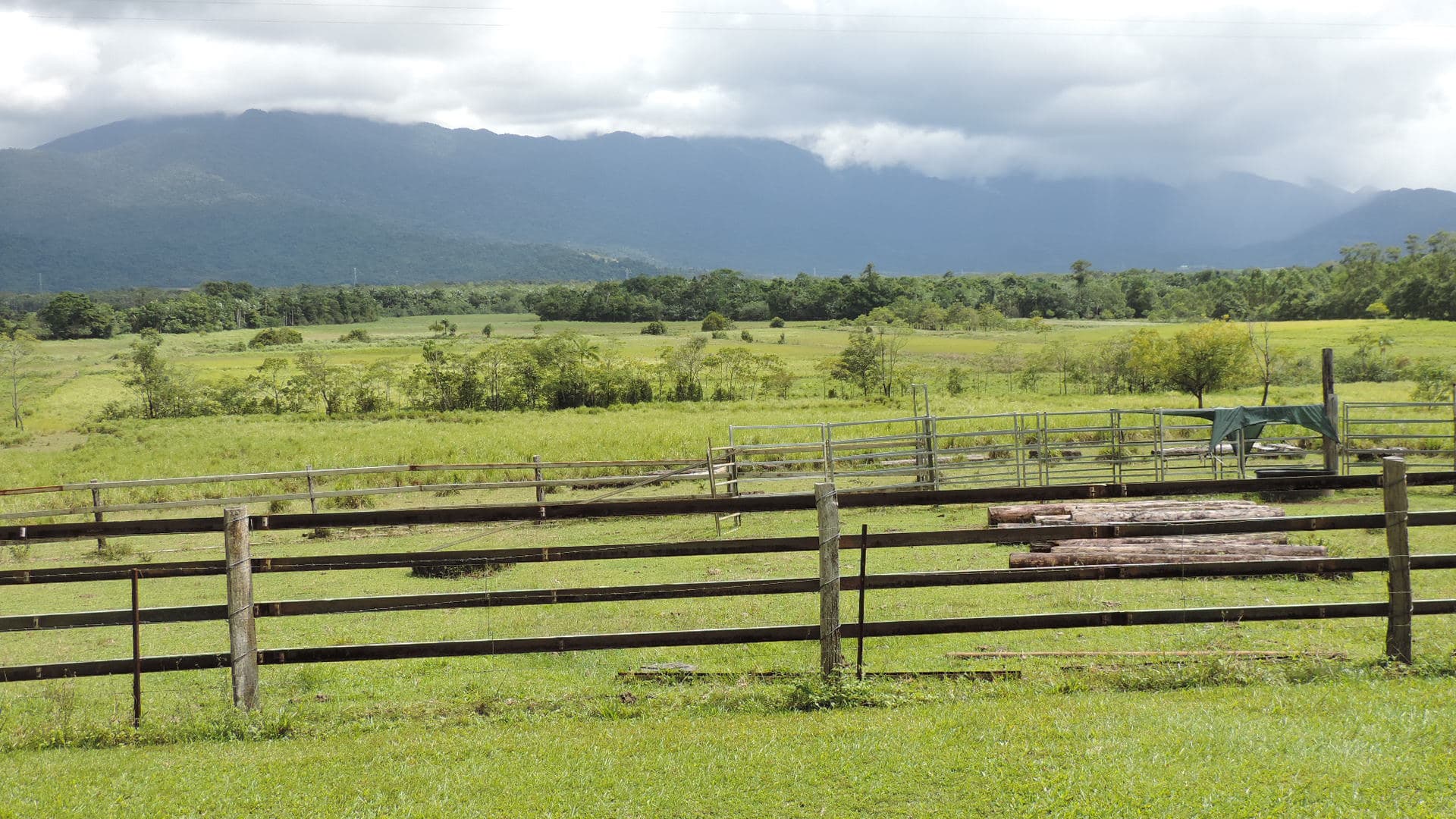
Fencing a rural-residential acreage or lifestyle block
How to fence a lifestyle block that is half suburb, half paddock — streetscape, dogs, a few head of stock, and a neighbour who still lives in town hours.
Mark Denham · 26 June 2025
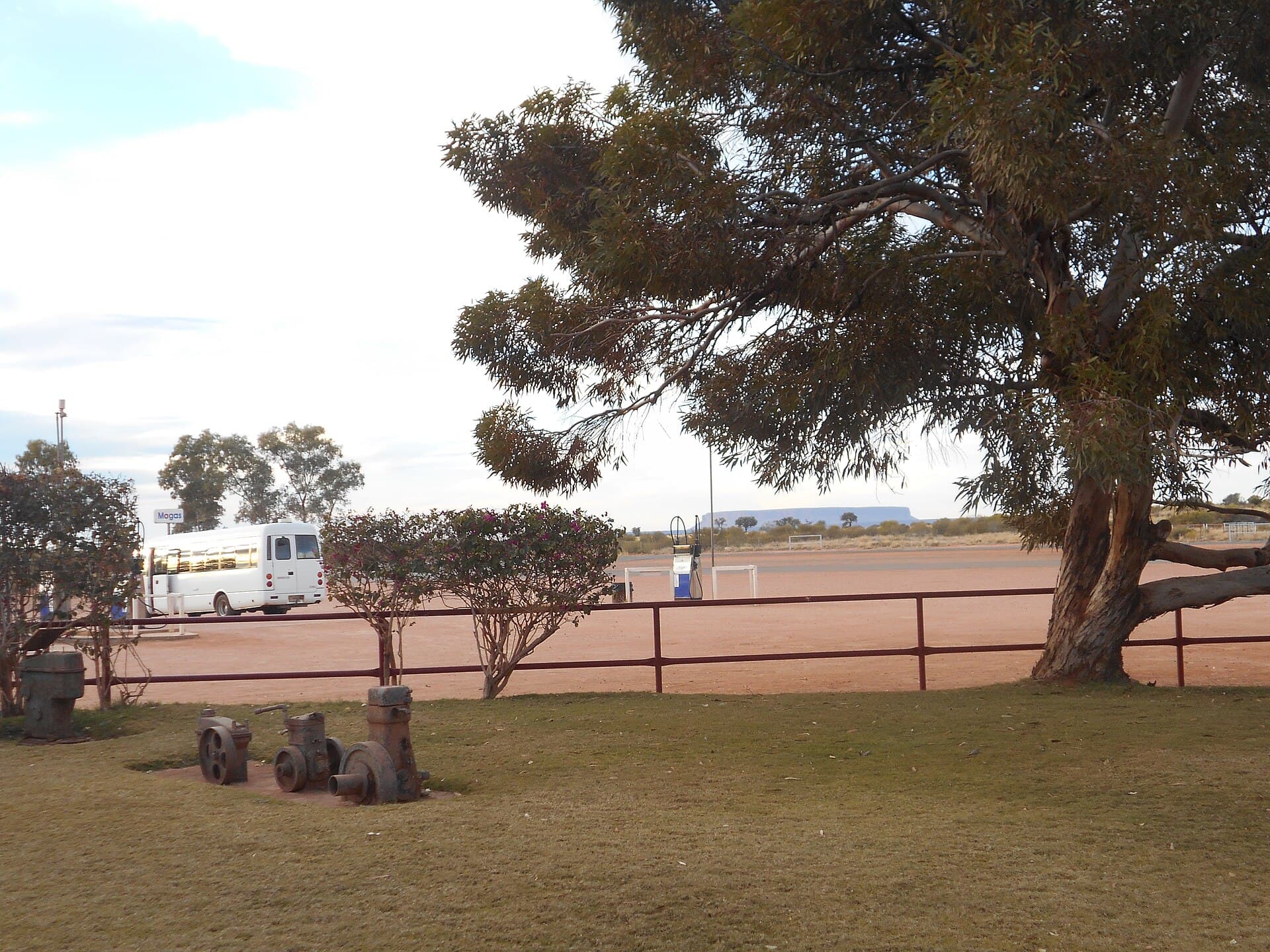
Bushfire-prone fencing materials and BAL, without the mythology
How fence materials behave when embers arrive — steel, timber, Colourbond and mesh — and why a BAL rating on a house is not a licence to guess the fence.
Mark Denham · 15 May 2025
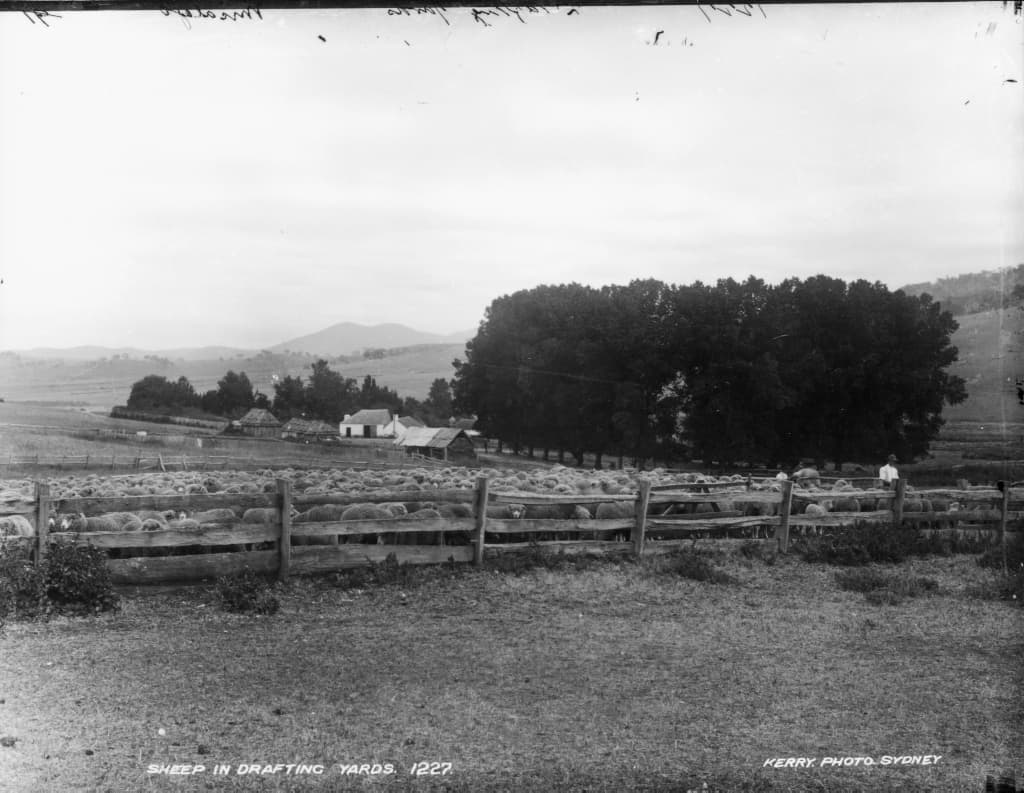
Ringlock and hinge-joint mesh for Australian farm fencing
When sheep, lambs and mixed livestock need a mesh skirt rather than plain wire — how ringlock and hinge-joint differ, where they fail, and what they tend to cost.
Mark Denham · 24 April 2025